
Hi. What are you looking for? Tell us what you need and we'll get back to you.
Saw Blades
Saw blades for bandsaws and cut-off machines, matched to the material and finish you need. Tooth pitch, blade width, and material grade matter — a 6tpi blade clears steel fast but leaves a rough cut, 24tpi gives a finer finish in thinner stock. Check your saw's spec sheet for the exact length and width before ordering.
Showing 1–48 of 110 results
-
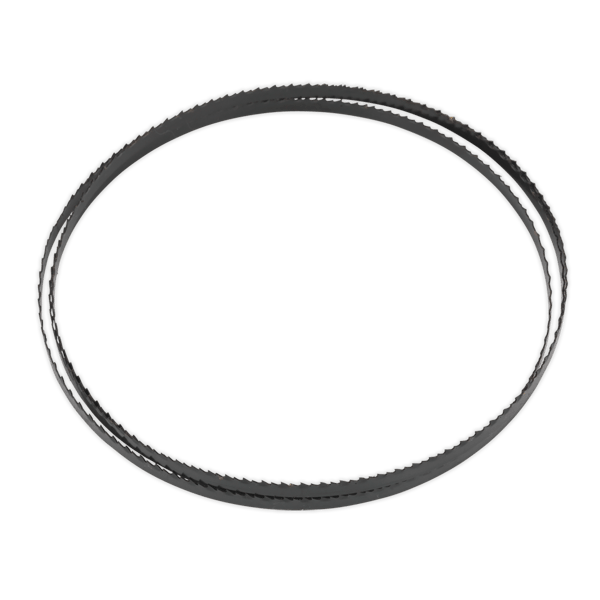 Not yet ratedSealey10tpi Bandsaw Blade 1400 x 6.5 x 0.35mm
- 10tpi, hardened steel teeth
- 1400 × 6.5 × 0.35 mm
- Wood, plastics, thin metal sheet
€28.13€28.41€22.87€23.10 -
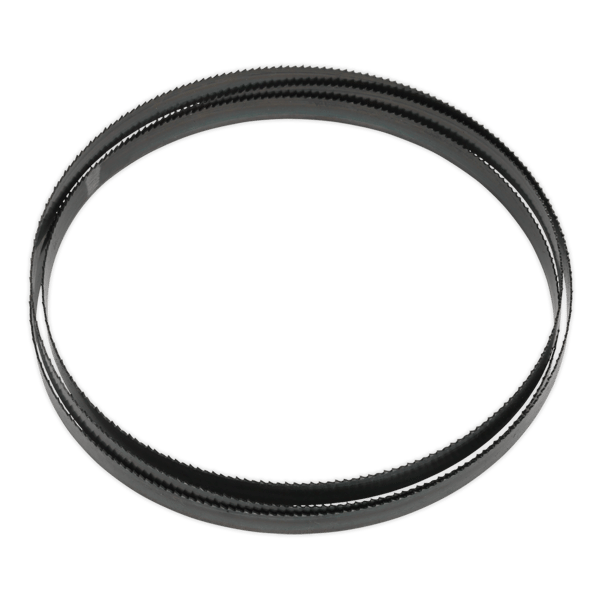 Not yet ratedSealey10tpi Bandsaw Blade 1638 x 13 x 0.63mm
- 1638 x 13 x 0.63 mm
- 10 tpi, hardened teeth
€33.43€33.76€27.18€27.45 -
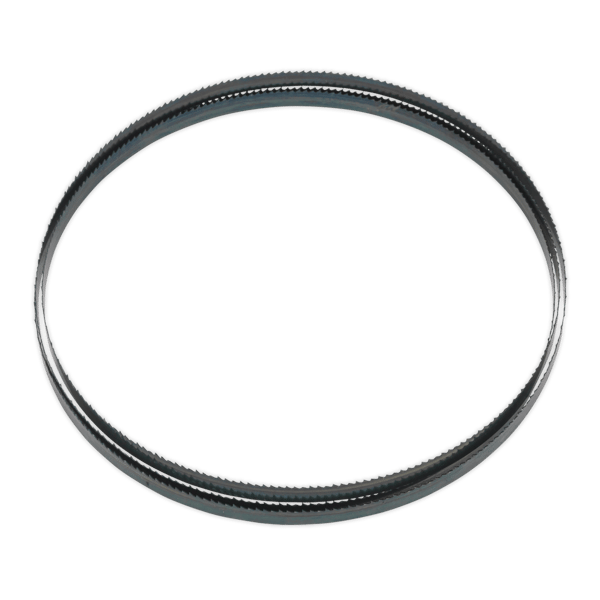 Not yet ratedSealey10tpi Bandsaw Blade 1712 x 10mm x 0.35mm
- 10tpi, hardened steel teeth
- 1712 × 10 × 0.35 mm
- Wood, plastics, thin metal sheet
€33.43€33.76€27.18€27.45 -
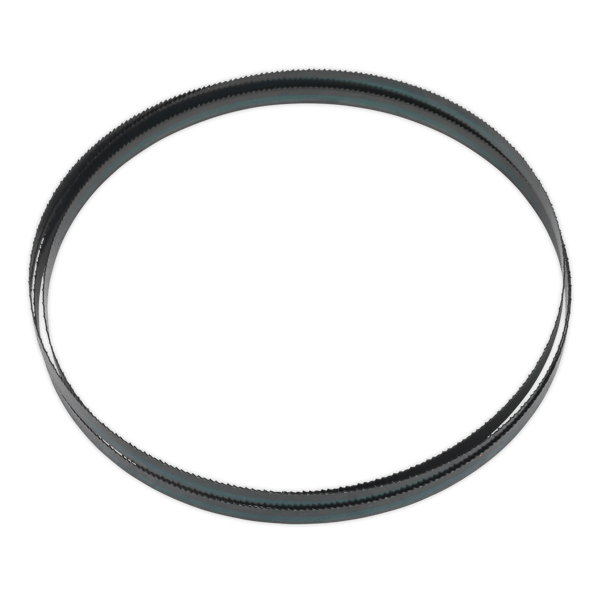 Not yet ratedSealey10tpi Bandsaw Blade 2240 x 12 x 0.6mm
- 10tpi, hardened steel teeth
- 2240 x 12 x 0.6mm blade
- Wood, plastics, thin metal sheet
€34.94€35.30€28.41€28.70 -
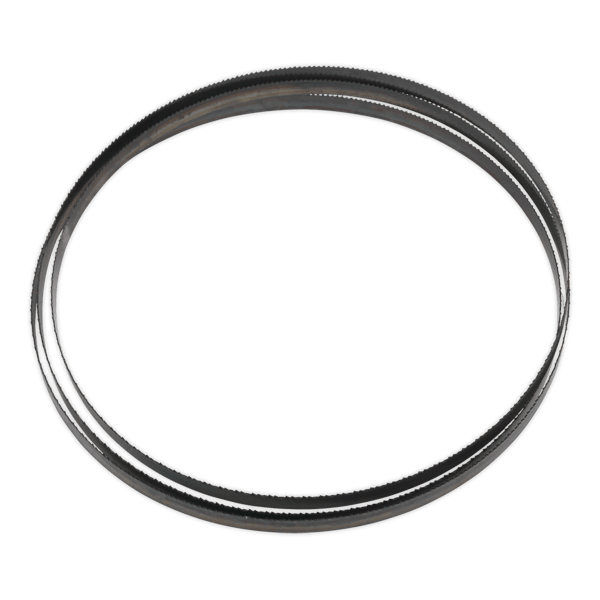 Not yet ratedSealey10tpi Bandsaw Blade 2400 x 12 x 0.6mm
- 2400 × 12 × 0.6 mm blade
- 10 tpi, hardened steel teeth
- Wood, plastics, thin metal sheet
€36.47€36.84€29.65€29.95 -
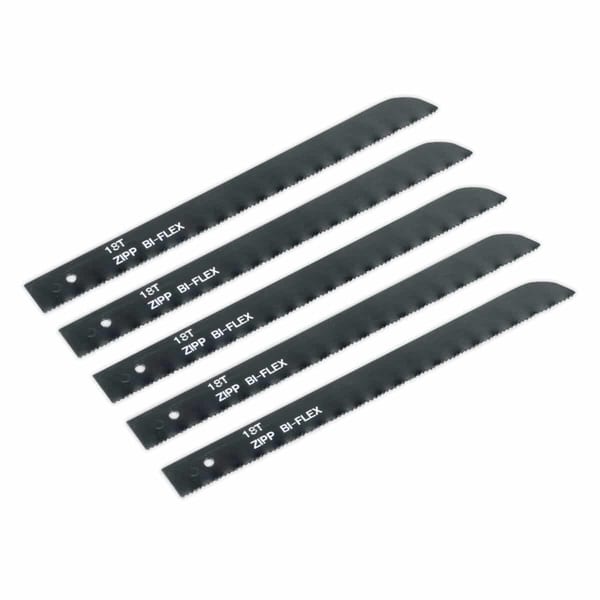 Not yet ratedSealey141mm HSS Air Saw Blade 18tpi - Pack of 5
- HSS, 141 mm, 18tpi
- Pack of 5
- Fits SA346 air saw
€18.20€18.39€14.80€14.95 -
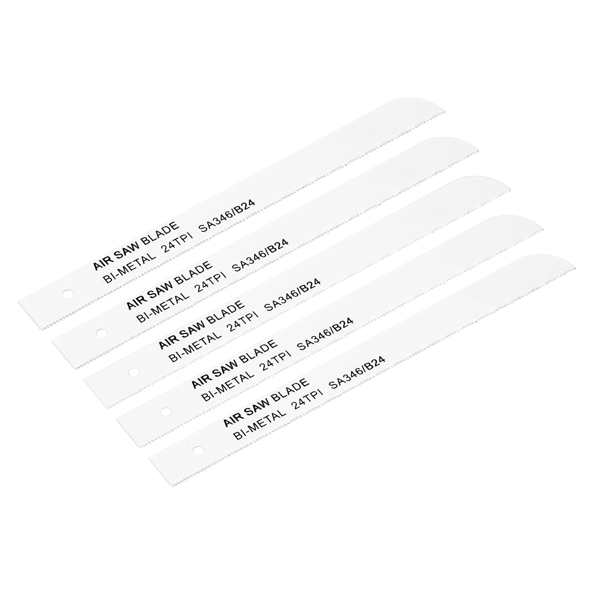 Not yet ratedSealey141mm HSS Air Saw Blade 24tpi - Pack of 5
- HSS, 141mm, 24tpi
- Pack of 5
- Fits SA346 air saw
€18.20€18.39€14.80€14.95 -
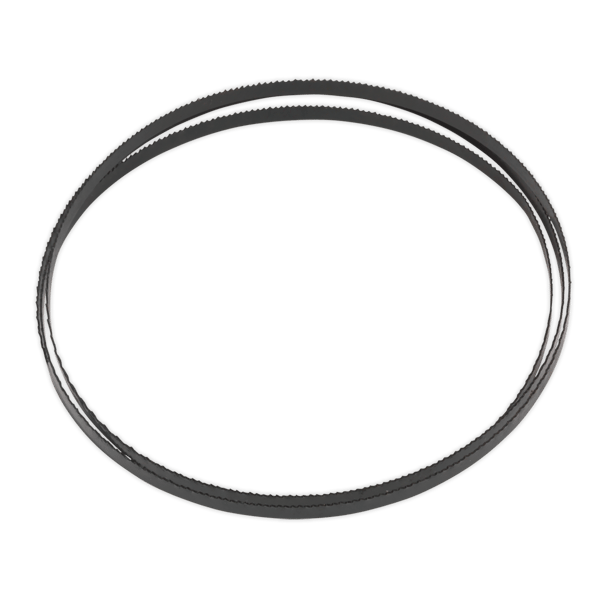 Not yet ratedSealey14tpi Bandsaw Blade 1400 x 6.5 x 0.35mm
- 1400 x 6.5 x 0.35 mm
- 14 tpi, hardened steel teeth
- Wood, plastics, thin metal sheet
€28.13€28.41€22.87€23.10 -
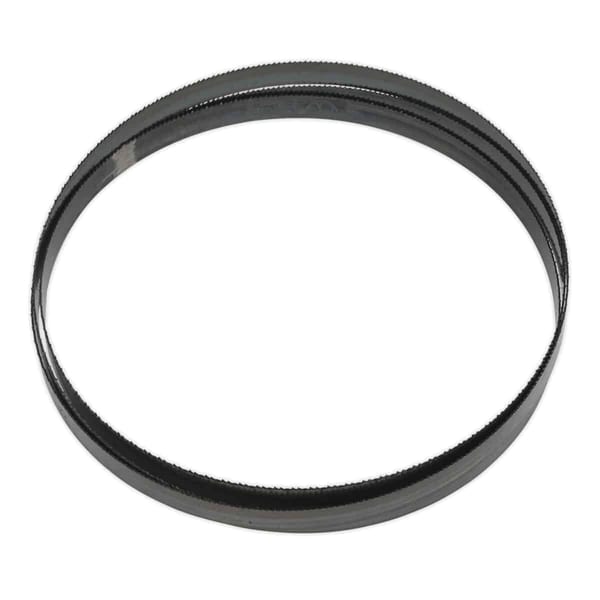 Not yet ratedSealey14tpi Bandsaw Blade 1638 x 13 x 0.63mm
- 1638 x 13 x 0.63 mm
- 14 tpi, hardened cutting edges
€33.43€33.76€27.18€27.45 -
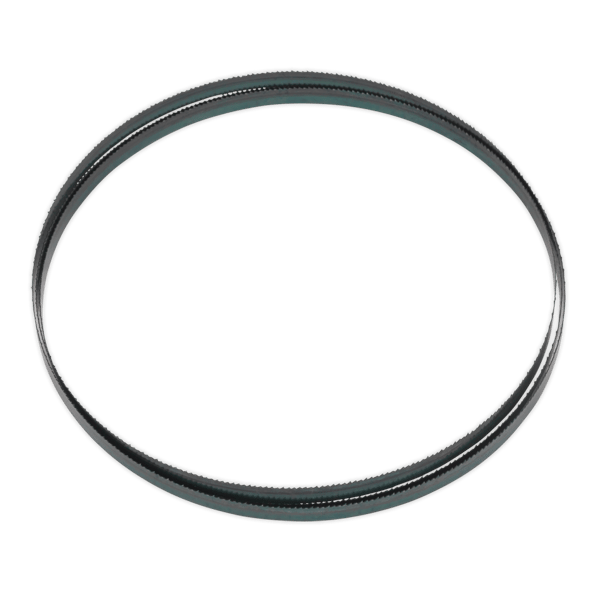 Not yet ratedSealey14tpi Bandsaw Blade 1712 x 10mm x 0.35mm
- 14tpi, hardened steel teeth
- 1712 × 10 × 0.35 mm
- Wood, plastics, thin metal sheet
€33.43€33.76€27.18€27.45 -
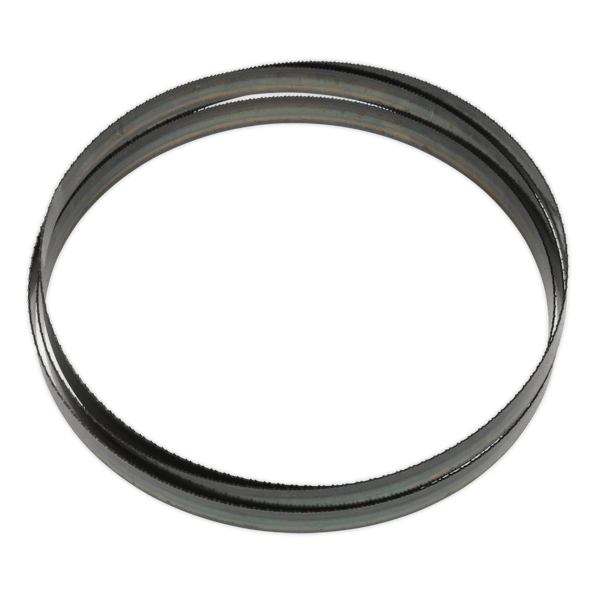 Not yet ratedSealey14tpi Bandsaw Blade 2105 x 20 x 0.9mm
- 2105 × 20 × 0.9 mm blade
- 14 tpi, hardened cutting edges
€45.61€46.06€37.08€37.45 -
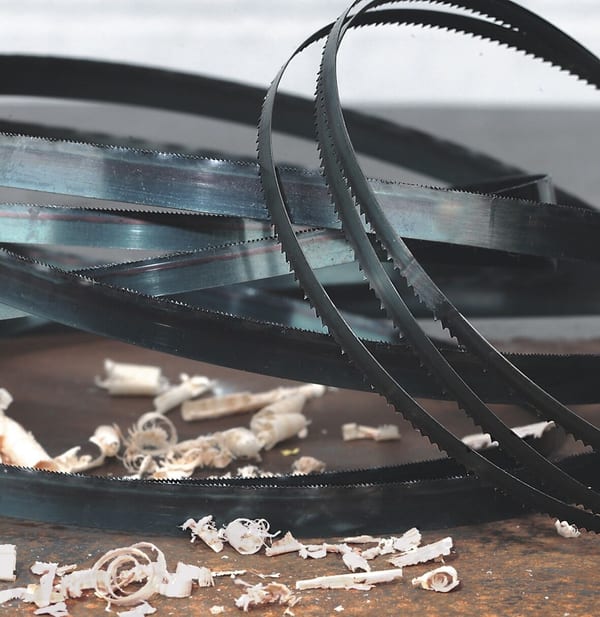 Not yet ratedSealey14tpi Bandsaw Blade 2240 x 12 x 0.6mm
- 14tpi, hardened steel teeth
- 2240 × 12 × 0.6 mm blade
- Wood, plastics, thin metal sheet
€34.94€35.30€28.41€28.70 -
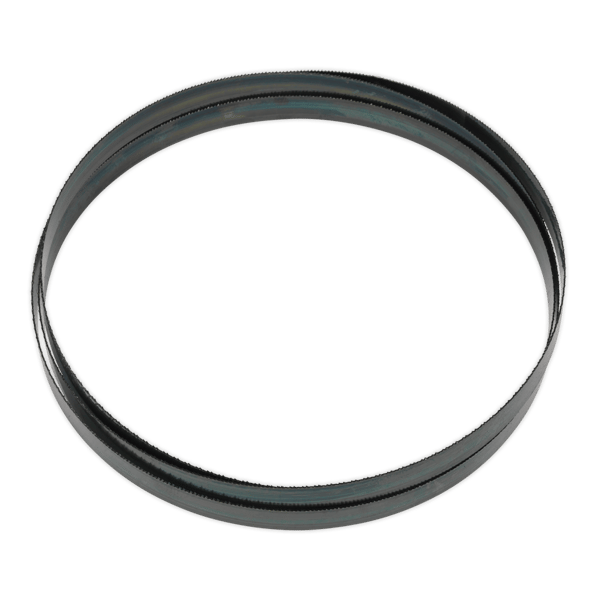 Not yet ratedSealey14tpi Bandsaw Blade 2362 x 19 x 0.81mm
- 14tpi, 2362 × 19 × 0.81mm
- Hardened cutting edges
€45.61€46.06€37.08€37.45 -
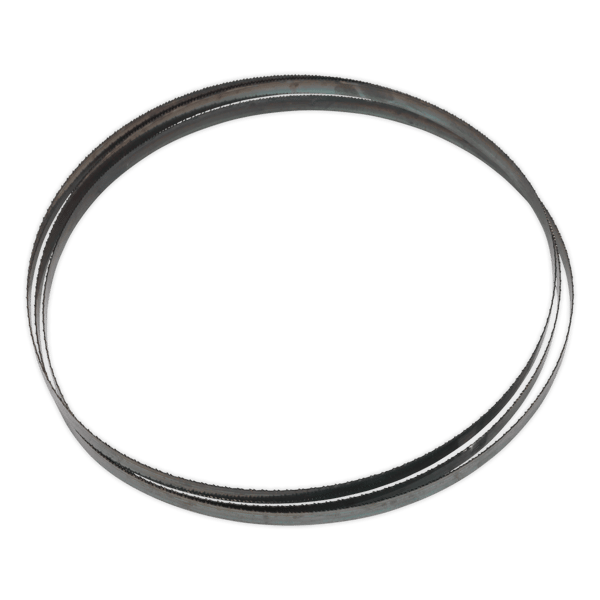 Not yet ratedSealey14tpi Bandsaw Blade 2400 x 12 x 0.6mm
- 14tpi, hardened steel teeth
- 2400 x 12 x 0.6mm blade
- Wood, plastics, thin metal sheet
€36.47€36.84€29.65€29.95 -
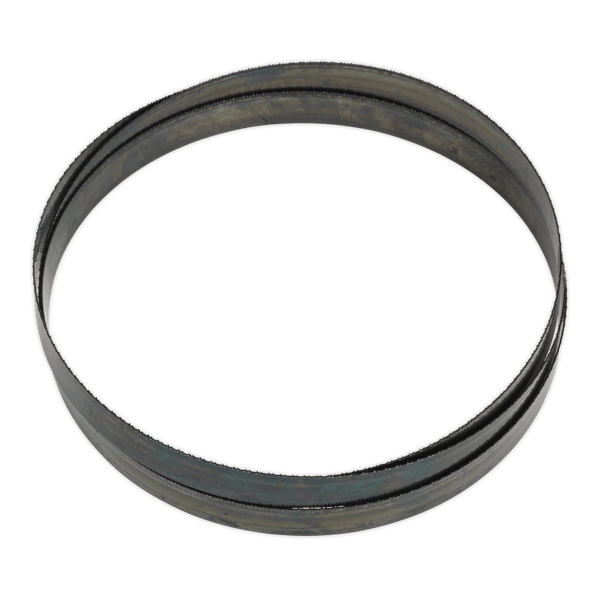 Not yet ratedSealey14tpi Bandsaw Blade 2450 x 27 x 0.9mm
- 2450 x 27 x 0.9 mm blade
- 14 tpi, hardened cutting edges
€48.65€49.14€39.55€39.95 -
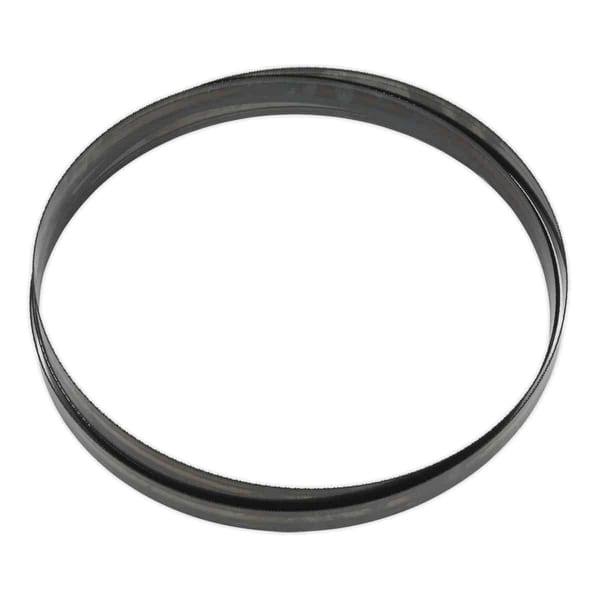 Not yet ratedSealey14tpi Bandsaw Blade 3035 x 25 x 0.89mm
- 14tpi tooth pitch
- 3035 × 25 × 0.89 mm
- Hardened cutting edges
€88.23€89.11€71.73€72.45 -
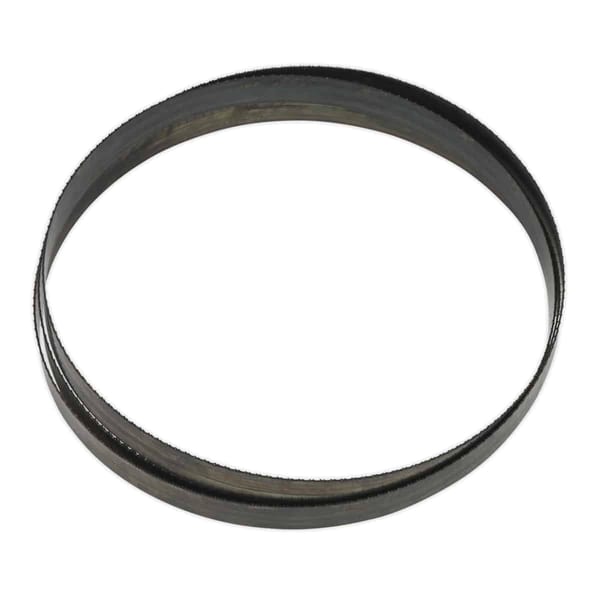 Not yet ratedSealey18tpi Bandsaw Blade 2105 x 20 x 0.9mm
- 18tpi, 2105 × 20 × 0.9 mm
- Hardened cutting edges
€45.61€46.06€37.08€37.45 -
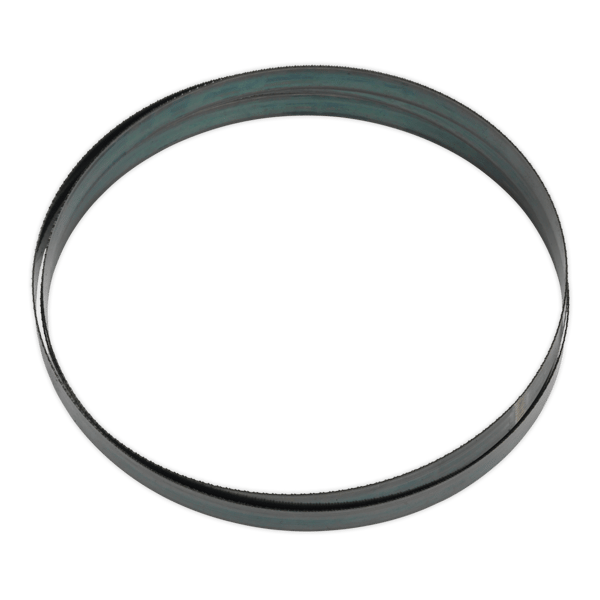 Not yet ratedSealey18tpi Bandsaw Blade 2362 x 19 x 0.81mm
- 18tpi, hardened cutting edges
- 2362 × 19 × 0.81 mm
€45.61€46.06€37.08€37.45 -
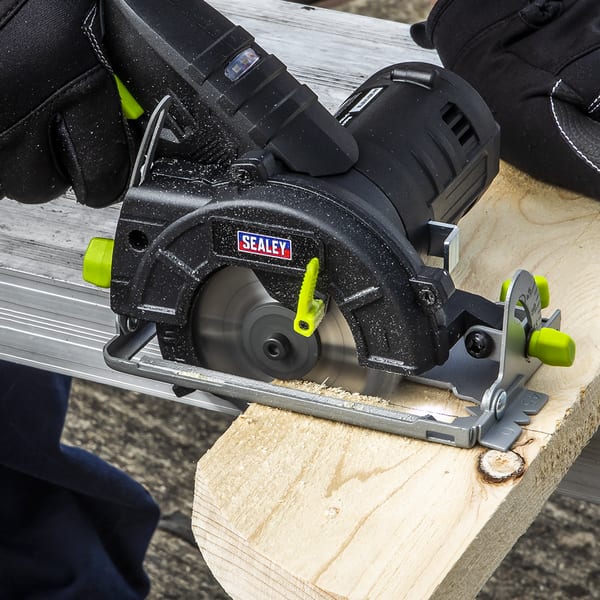 Not yet ratedSealey20tpu Circular Saw Blade dia85 x 15 x 1.3mm
- Tungsten carbide tipped (TCT)
- 20 teeth, hardened steel
- Ø85 × 1.3mm, Ø15mm bore
€9.86€9.96€8.02€8.10 -
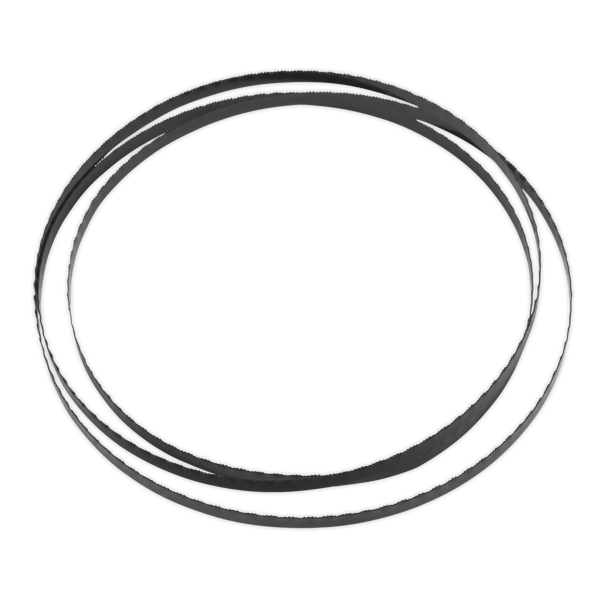 Not yet ratedSealey24tpi Bandsaw Blade 1400 x 6.5 x 0.35mm
- 24tpi, hardened steel teeth
- 1400 x 6.5 x 0.35mm blade
- Wood, plastics, thin metal sheet
€28.13€28.41€22.87€23.10 -
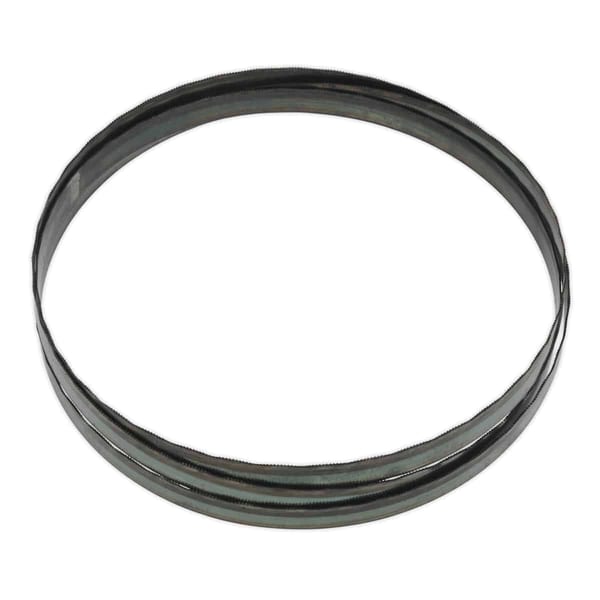 Not yet ratedSealey24tpi Bandsaw Blade 1638 x 13 x 0.63mm
- 1638 x 13 x 0.63mm
- 24tpi, hardened cutting edges
€33.43€33.76€27.18€27.45 -
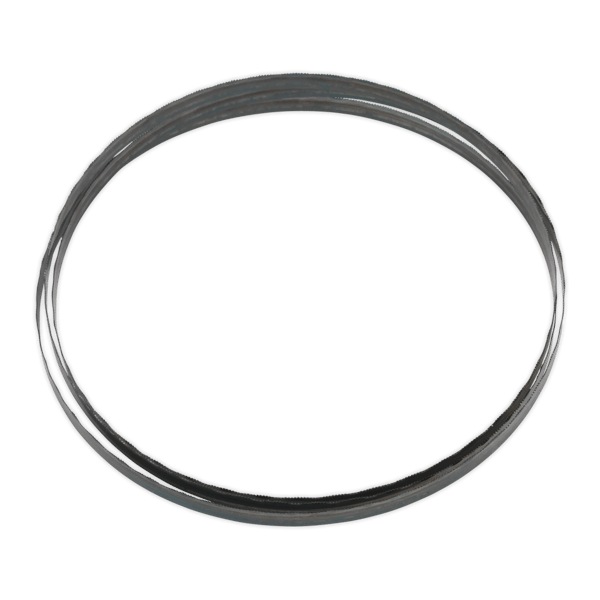 Not yet ratedSealey24tpi Bandsaw Blade 1712 x 10 x 0.35mm
- 24tpi, hardened steel teeth
- 1712 × 10 × 0.35 mm
- Wood, plastics, thin metal sheet
€33.43€33.76€27.18€27.45 -
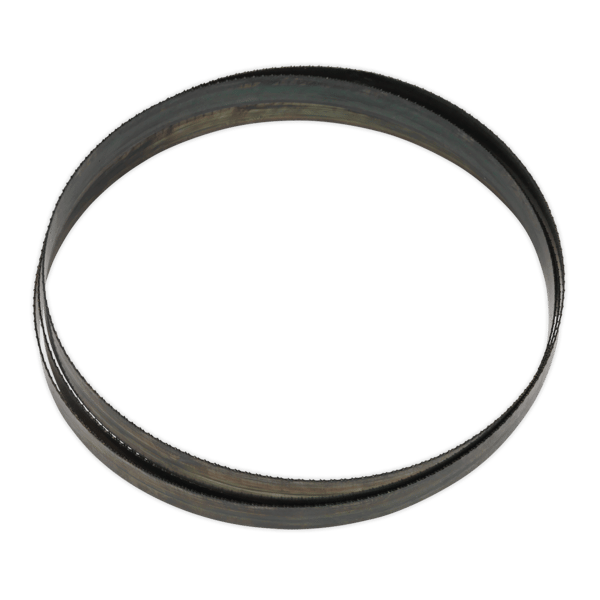 Not yet ratedSealey24tpi Bandsaw Blade 2105 x 20 x 0.9mm
- 24tpi tooth pitch
- 2105 x 20 x 0.9 mm
- Hardened cutting edges
€45.61€46.06€37.08€37.45 -
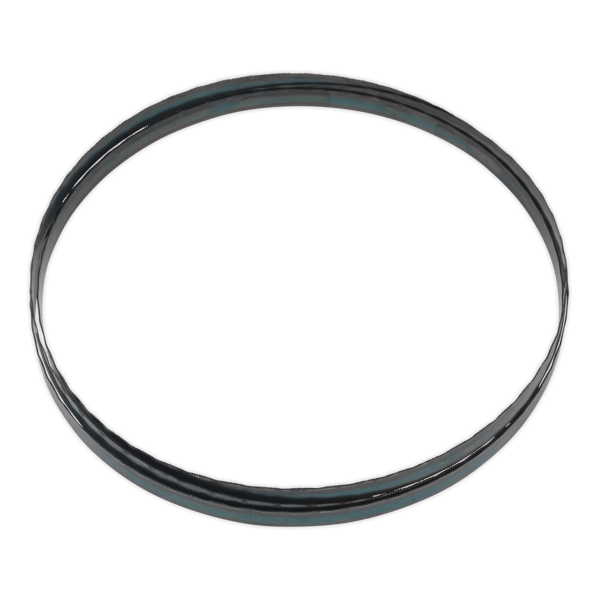 Not yet ratedSealey24tpi Bandsaw Blade 2240 x 12 x 0.6mm
- 24tpi, hardened steel teeth
- 2240 × 12 × 0.6 mm
- Wood, plastics, thin metal sheet
€34.94€35.30€28.41€28.70 -
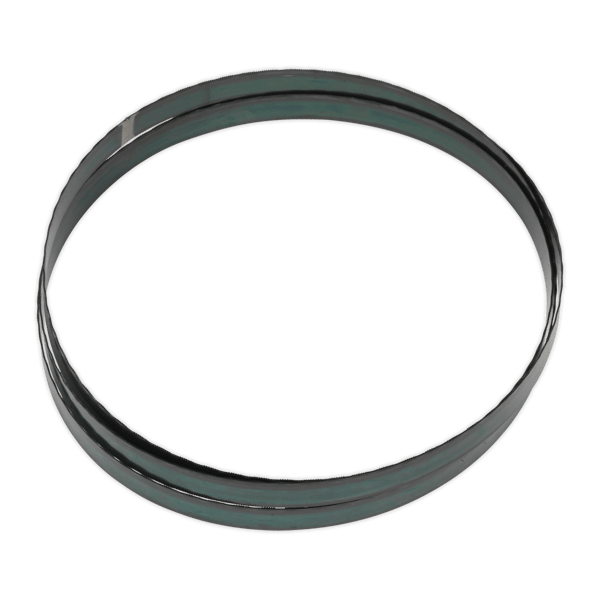 Not yet ratedSealey24tpi Bandsaw Blade 2362 x 19 x 0.81mm
- 24tpi, hardened cutting edges
- 2362 x 19 x 0.81mm blade
€45.61€46.06€37.08€37.45 -
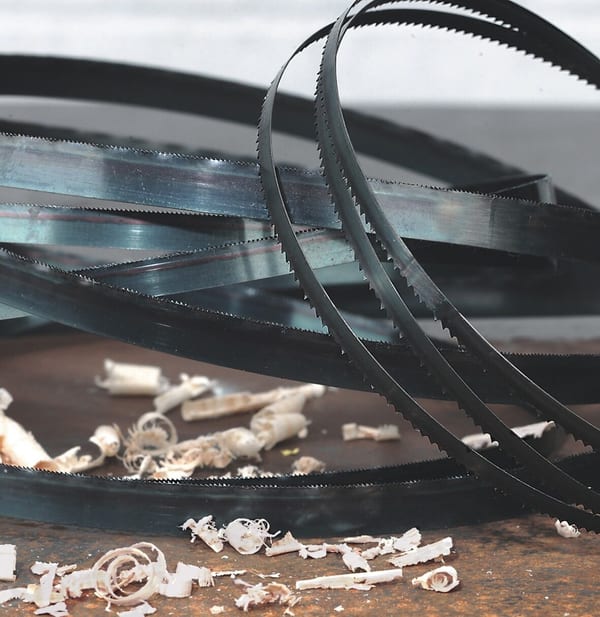 Not yet ratedSealey24tpi Bandsaw Blade 2400 x 12 x 0.6mm
- 24tpi, hardened steel teeth
- 2400 × 12 × 0.6 mm
- Wood, plastics, thin metal sheet
€36.47€36.84€29.65€29.95 -
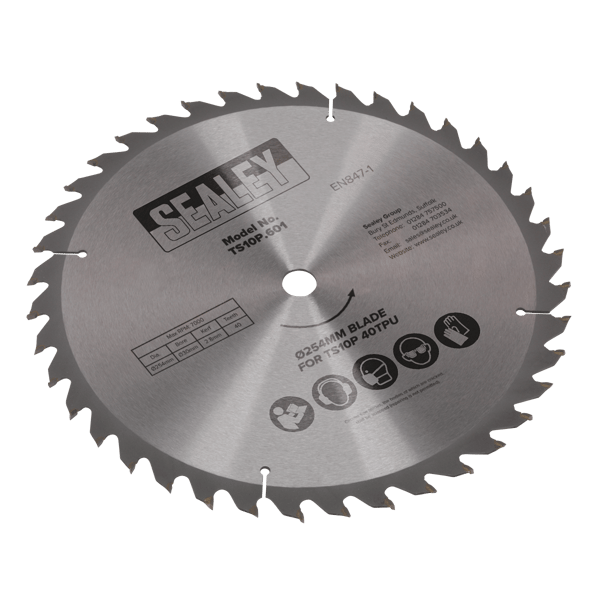 Not yet ratedSealey254mm Blade for TS10P 40tpu
- 254mm dia blade, 2.8mm thick
- 40 teeth, 30mm bore
- Fits Sealey TS10P
€34.94€35.30€28.41€28.70 -
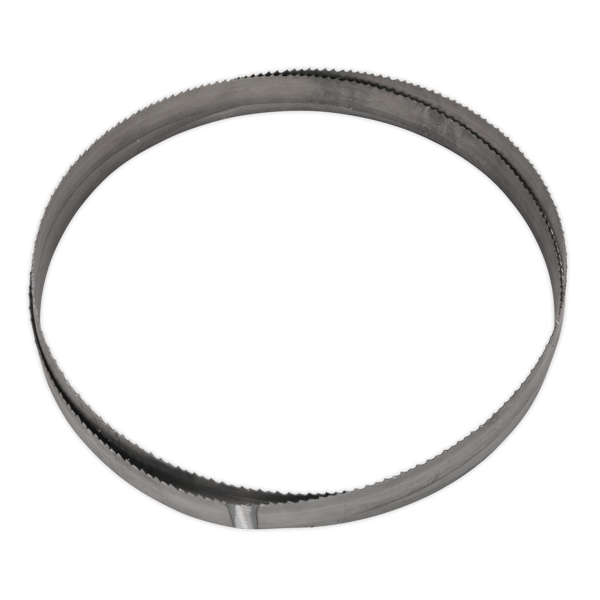 Not yet ratedSealey4/6tpi Bi-Metal Bandsaw Blade 3035 x 25 x 0.89mm
- 4/6 vari-pitch, bi-metal
- 3035 × 25 × 0.89 mm
€190.21€192.13€154.64€156.20 -
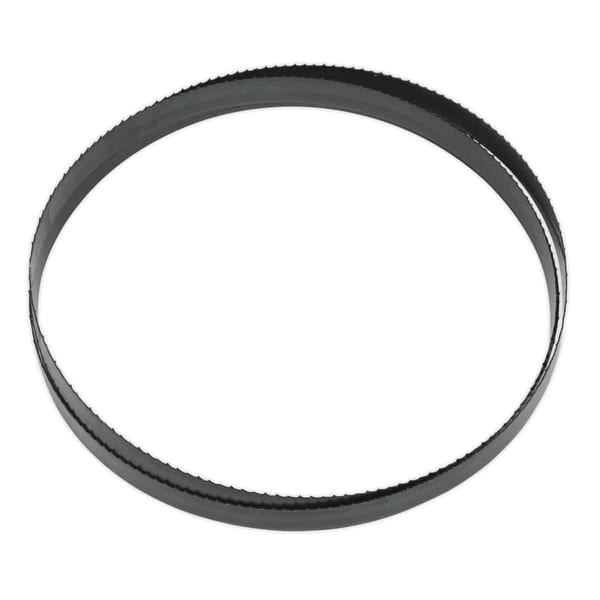 Not yet ratedSealey4tpi Bandsaw Blade 3035 x 25 x 0.89mm
- 4tpi tooth pitch
- 3035 x 25 x 0.89mm
- Hardened cutting edges
€88.23€89.11€71.73€72.45 -
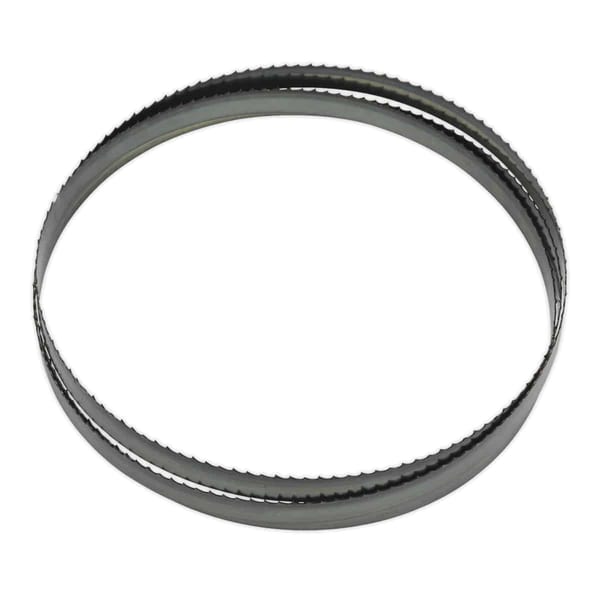 Not yet ratedSealey4tpi Skip Tooth Bandsaw Blade 2362 x 19 x 0.81mm
- 4tpi skip tooth blade
- 2362 × 19 × 0.81 mm
- Hardened cutting edges
€45.61€46.06€37.08€37.45 -
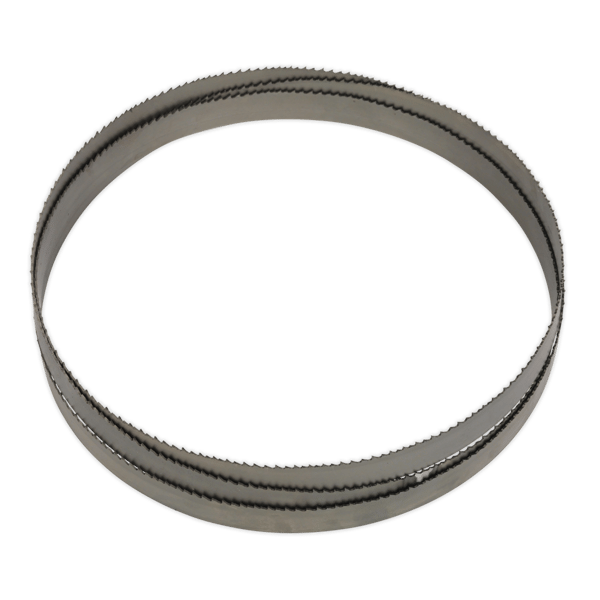 Not yet ratedSealey6/10tpi Vari-Pitch Bi-Metal Bandsaw Blade 2100 x 20 x 0.8mm
- 6/10 Vari-Pitch Bi-Metal
- 2100 x 20 x 0.8 mm
€121.71€122.94€98.95€99.95 -
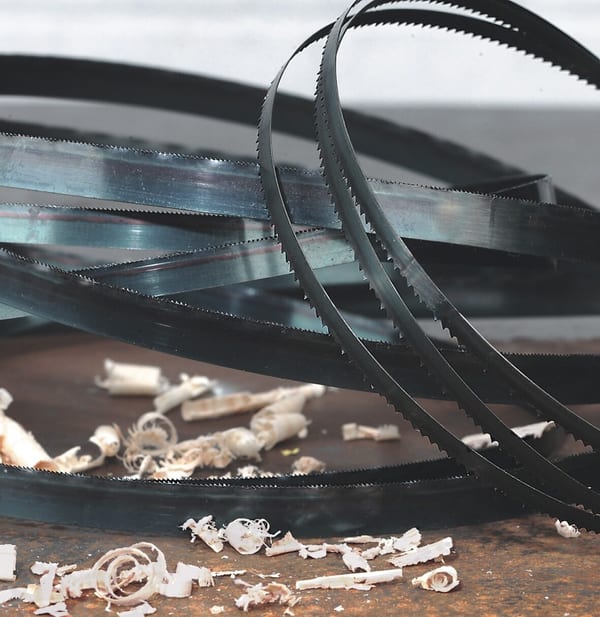 Not yet ratedSealey6tpi Bandsaw Blade 1400 x 6.5 x 0.35mm
- 6tpi, hardened steel teeth
- 1400 × 6.5 × 0.35 mm
- Wood, plastics, thin metal sheet
€28.13€28.41€22.87€23.10 -
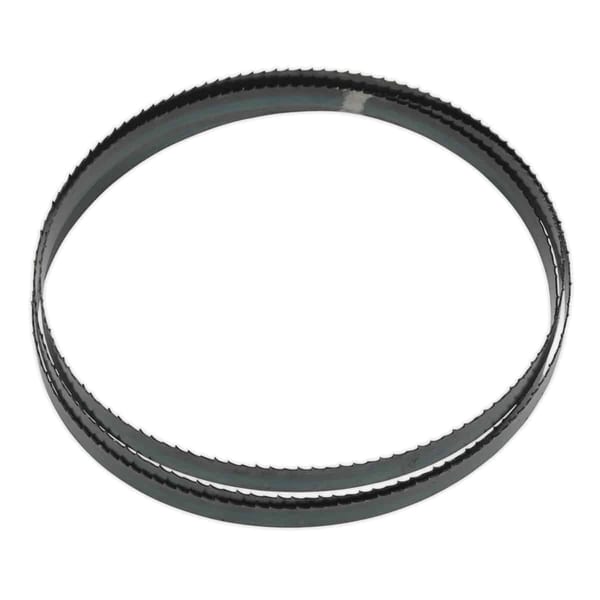 Not yet ratedSealey6tpi Bandsaw Blade 1638 x 13 x 0.63mm
- 1638 × 13 × 0.63 mm
- 6 tpi, hardened cutting edges
€33.43€33.76€27.18€27.45 -
 Not yet ratedSealey6tpi Bandsaw Blade 1712 x 10 x 0.35mm
- 6tpi, hardened steel teeth
- 1712 × 10 × 0.35 mm blade
- Wood, plastics, thin metal sheet
€33.43€33.76€27.18€27.45 -
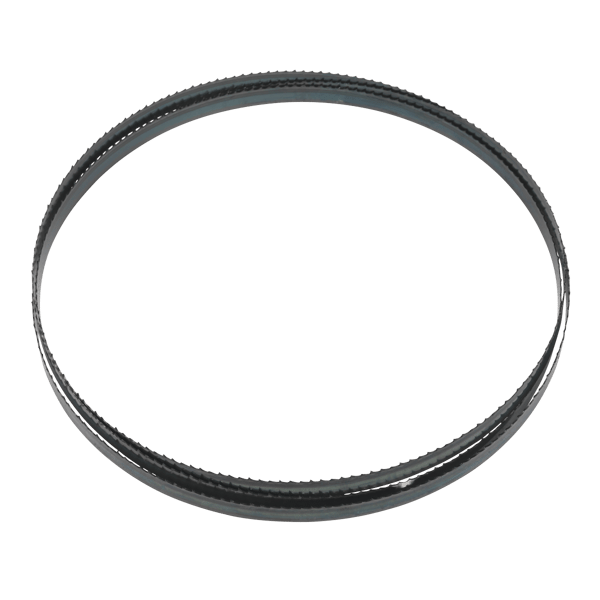 Not yet ratedSealey6tpi Bandsaw Blade 2100 x 20 x 0.8mm
- 6 tpi, 2100 × 20 × 0.8 mm
- Hardened cutting edges
€45.61€46.06€37.08€37.45 -
 Not yet ratedSealey6tpi Bandsaw Blade 2240 x 12 x 0.6mm
- 6tpi, hardened steel teeth
- 2240 × 12 × 0.6 mm blade
- Wood, plastics, thin metal sheet
€34.94€35.30€28.41€28.70 -
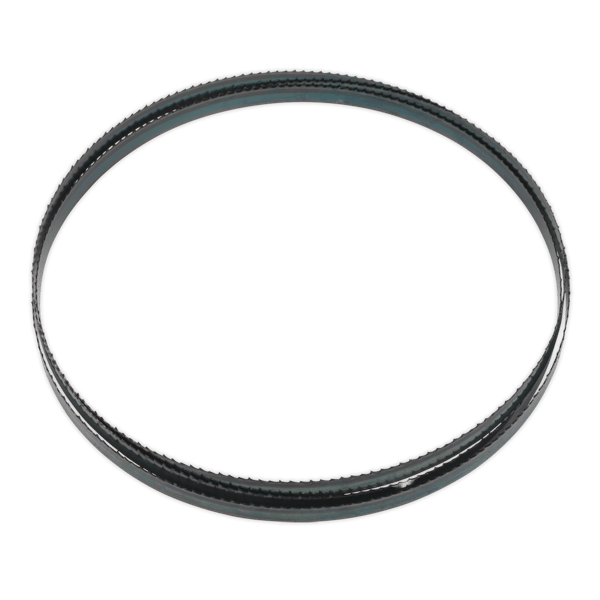 Not yet ratedSealey6tpi Bandsaw Blade 2400 x 12 x 0.6mm
- 6tpi, hardened steel teeth
- 2400 x 12 x 0.6 mm blade
- Wood, plastics, thin metal sheet
€36.47€36.84€29.65€29.95 -
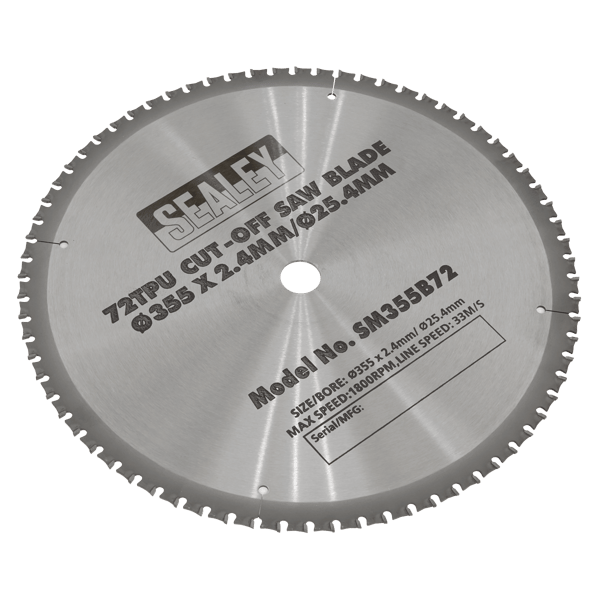 Not yet ratedSealey72tpu Cut-Off Saw Blade dia355 x 2.4mm/dia25.4mm
- Tungsten carbide tipped (TCT)
- Ø355 x 2.4mm blade
€251.09€253.63€204.14€206.20 -
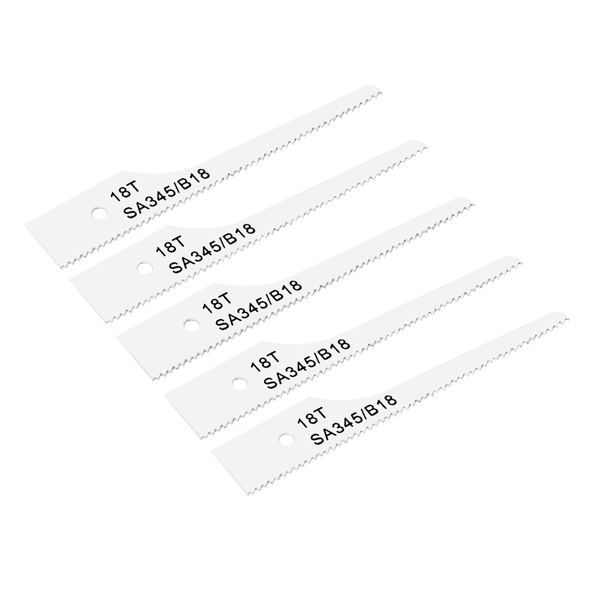 Not yet ratedSealey74mm HSS Air Saw Blade 18tpi - Pack of 5
- HSS, 74 mm blade
- 18 tpi pitch
- Pack of 5
€18.20€18.39€14.80€14.95 -
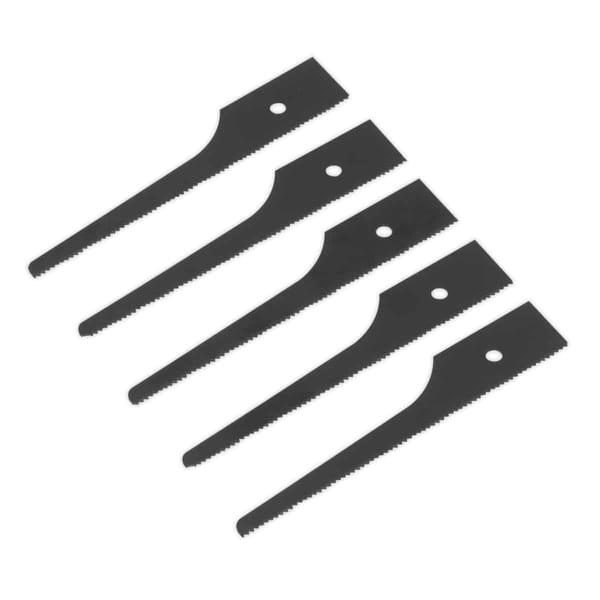 Not yet ratedSealey74mm HSS Air Saw Blade 24tpi - Pack of 5
- HSS, 74 mm blade
- 24 tpi pitch
- Pack of 5
€18.20€18.39€14.80€14.95 -
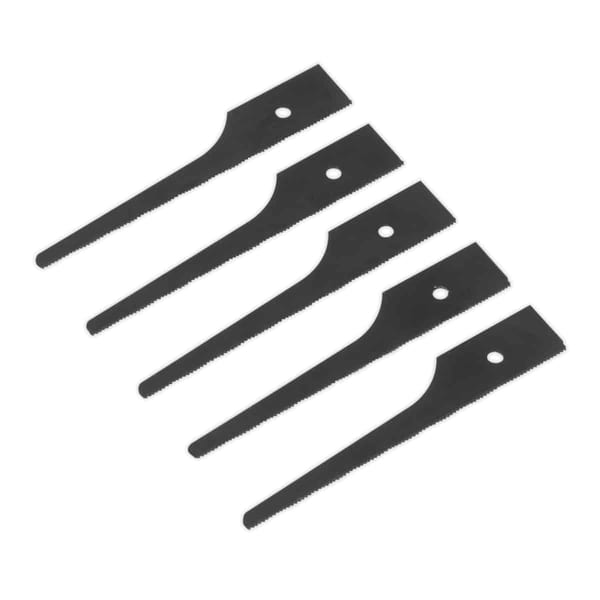 Not yet ratedSealey74mm HSS Air Saw Blade 32tpi - Pack of 5
- HSS, 74 mm blade
- 32 tpi pitch
- Pack of 5
€18.20€18.39€14.80€14.95 -
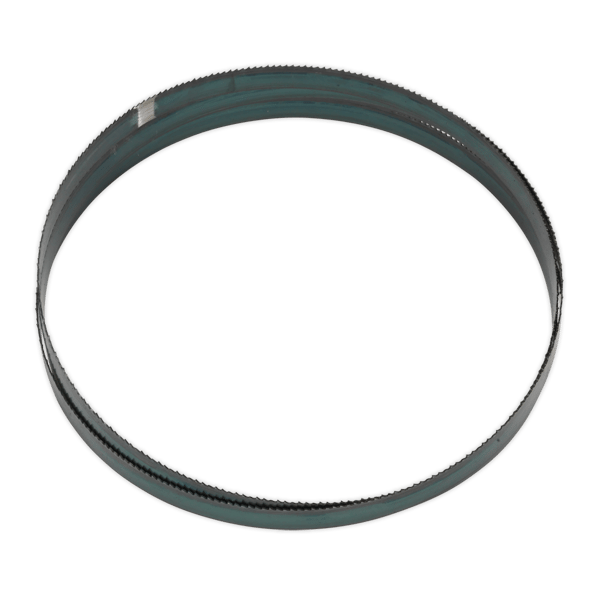 Not yet ratedSealey8tpi Bandsaw Blade 2362 x 19 x 0.81mm
- 8tpi tooth pitch
- 2362 × 19 × 0.81 mm
- Hardened cutting edges
€45.61€46.06€37.08€37.45 -
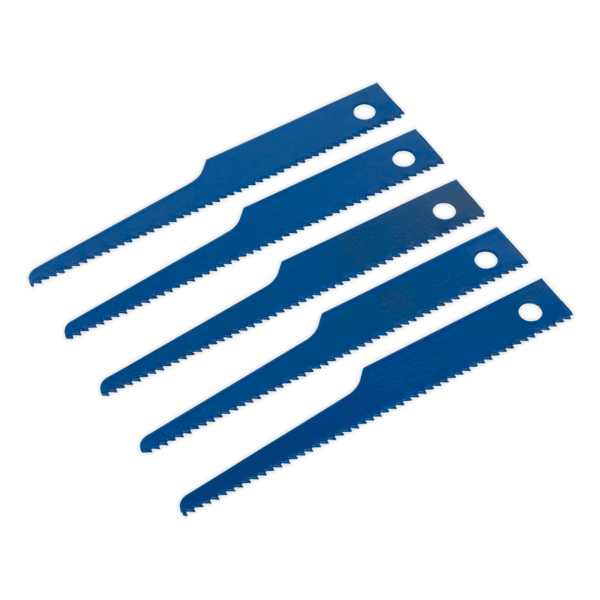 Not yet ratedSealey94.5mm HSS Air Saw Blade 14tpi - Pack of 5
- HSS, 94.5 mm blade
- 14 tpi (teeth per inch)
- Pack of 5
€18.20€18.39€14.80€14.95 -
 Not yet ratedSealey94.5mm HSS Air Saw Blade 24tpi - Pack of 5
- HSS, 24tpi blade pitch
- 94.5mm length
- Pack of 5
€18.20€18.39€14.80€14.95 -
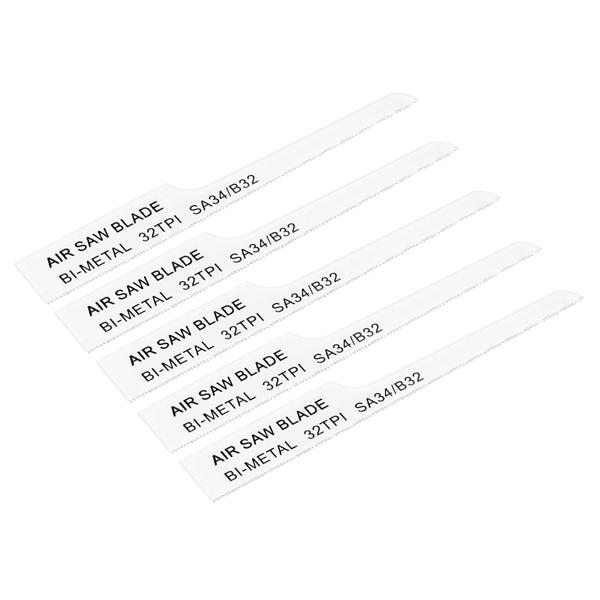 Not yet ratedSealey94.5mm HSS Air Saw Blade 32tpi - Pack of 5
- HSS, 94.5 mm blade
- 32 teeth per inch
- Pack of 5
€18.20€18.39€14.80€14.95 -
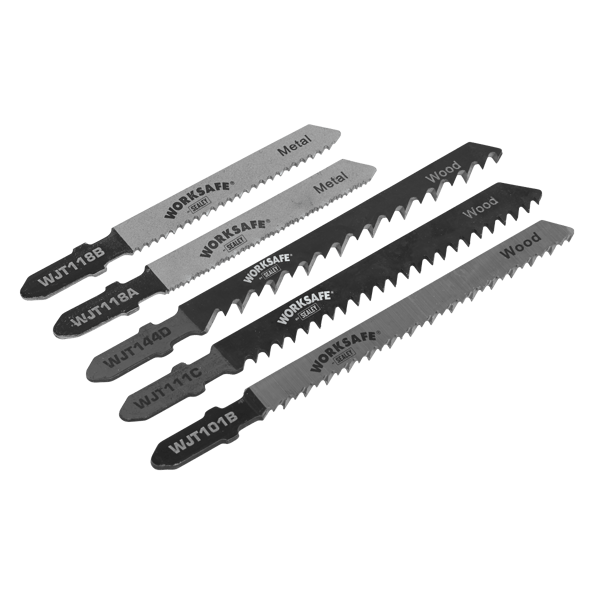 Not yet ratedWorksafeAssorted Jigsaw Blades - Pack of 5
- Chrome Vanadium + HSS blades
- 5-blade assorted pack
€4.99€5.04€4.06€4.10 -
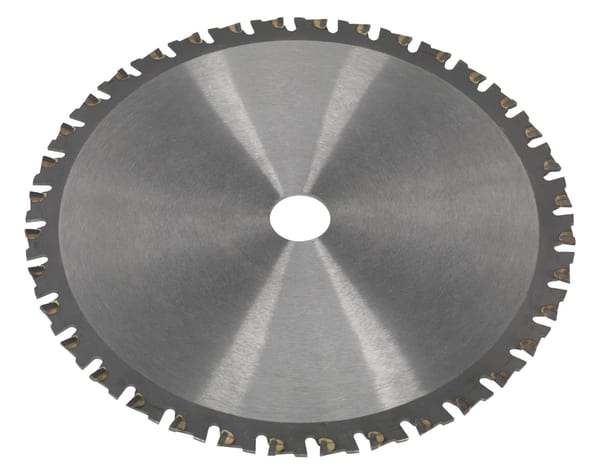 Not yet ratedSealeyCut-Off Saw Blade 180 x 1.9mm/20mm 36tpu
- Tungsten carbide tipped (TCT)
- Ø180 x 1.9mm, Ø20mm bore
€106.49€107.56€86.58€87.45 -
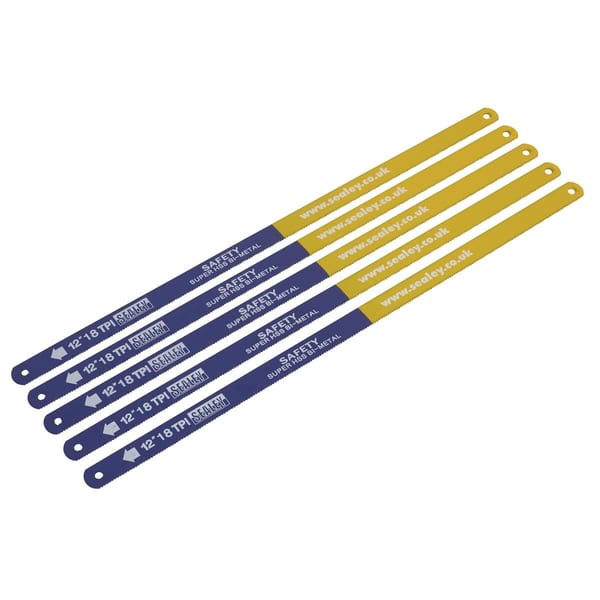 Not yet ratedSealeyHacksaw Blade 300mm HSS Bi-Metal 18tpi Pack of 5
- M42+D6A bi-metal HSS blades
- 300mm × 13mm, 18tpi
- Pack of 5
€16.68€16.85€13.56€13.70
Bandsaw blades wear differently depending on what you cut. If you're sawing mild steel bar or box section all day, a coarse pitch (6tpi or 10tpi) clears chips quickly and resists loading. For thin-wall tube, profile, or anything under about 5mm, you need finer teeth — 18tpi or 24tpi — so at least three teeth stay engaged in the cut. Too coarse and the teeth snag; too fine and the gullets clog.
Bi-metal blades combine a high-speed steel tooth edge with a flexible backing strip. They last longer in production work than carbon blades, especially in harder alloys or stainless. Vari-pitch blades stagger the tooth spacing to cut down on vibration and harmonics when you're working at the edge of the machine's capacity.
Blade length is fixed by your saw's wheel centres — a 1638mm blade won't fit a 2450mm frame. Width affects the minimum radius you can turn and how rigid the cut stays under load. A 13mm blade will flex around tighter curves than a 27mm, but the wider blade tracks straighter in heavy stock. Thickness (the 0.63mm or 0.9mm figure) determines how much side load the blade can take before it twists in the kerf.
Cut-off saw blades — like the 355mm diameter discs listed here — are for abrasive chop saws, not bandsaws. They're measured in teeth per unit circumference (tpu rather than tpi) and sized by diameter and bore. Match the bore to your saw's arbor and check the maximum RPM rating on the blade against your machine's spindle speed.