
Hi. What are you looking for? Tell us what you need and we'll get back to you.
Winches
Winches for vehicle recovery, material handling, and general pulling work. Electric self-recovery winches are rated by line pull — match the rating to your vehicle weight and typical use. Hand-operated winches and power pullers suit workshop rigging, trailer loading, or anywhere mains power isn't available. Check the rope or strap spec — wire rope diameter and length vary by model, and replacements must match the drum.
Showing all 36 results
-
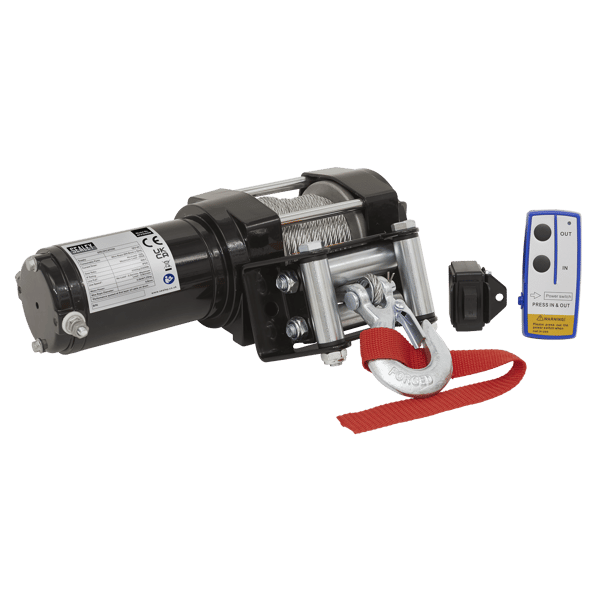 Not yet ratedSealeyATV Winch 1000kg Line Pull 12V
- 1000kg line pull, 12V DC
- 3-stage planetary gears, 166:1
- 4-way roller fairlead
€228.26€230.56€185.58€187.45 -
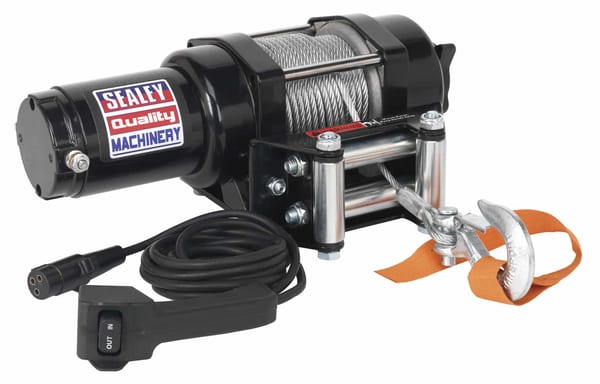 Not yet ratedSealeyATV/Quad Recovery Winch 1135kg (2500lb) Line Pull 12V
- 1135kg (2500lb) line pull
- 1.8kW 12V DC motor
- 3-stage planetary gears, 180:1
€395.69€399.69€321.70€324.95 -
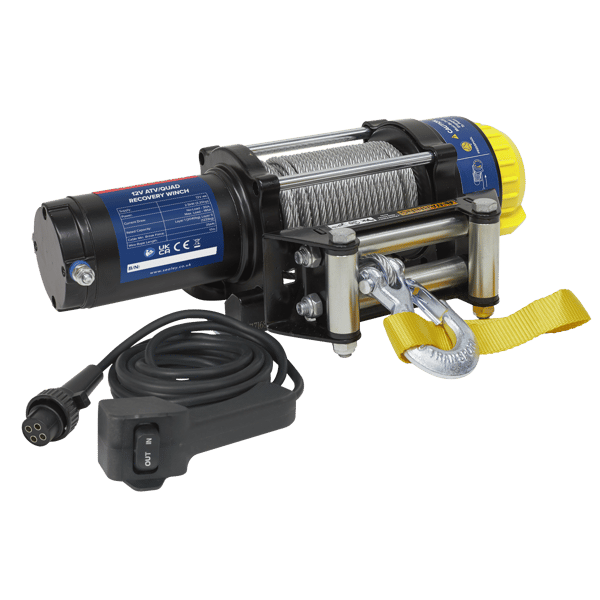 Not yet ratedSealeyATV/Quad Recovery Winch 2040kg (4500lb) Line Pull 12V
- 2.5kW 12V DC motor, 180:1 gear
- 2040kg line pull, 17m cable
- IP67 rated
€487.02€491.94€395.95€399.95 -
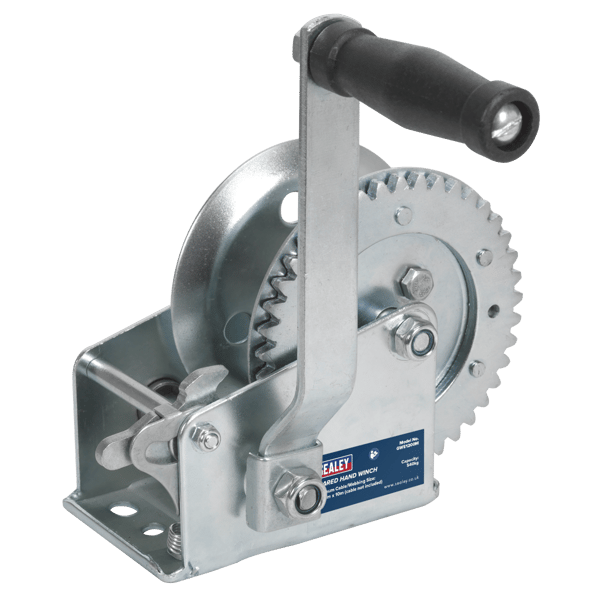 Not yet ratedSealeyGeared Hand Winch 540kg Capacity
- 540kg capacity
- 4:1 gear ratio
- Manual brake adjustment
€57.79€58.36€46.98€47.45 -
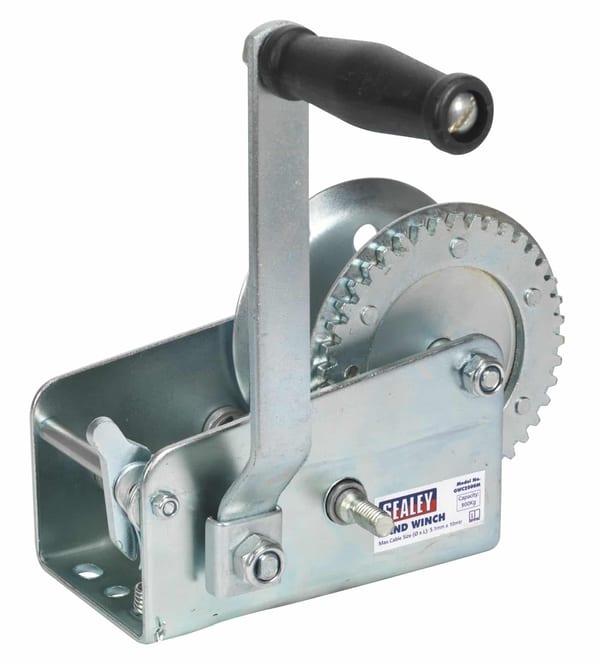 Not yet ratedSealeyGeared Hand Winch 900kg Capacity
- 900kg capacity
- Single gear, 4:1/8:1 ratio
- Manual brake
€76.05€76.81€61.83€62.45 -
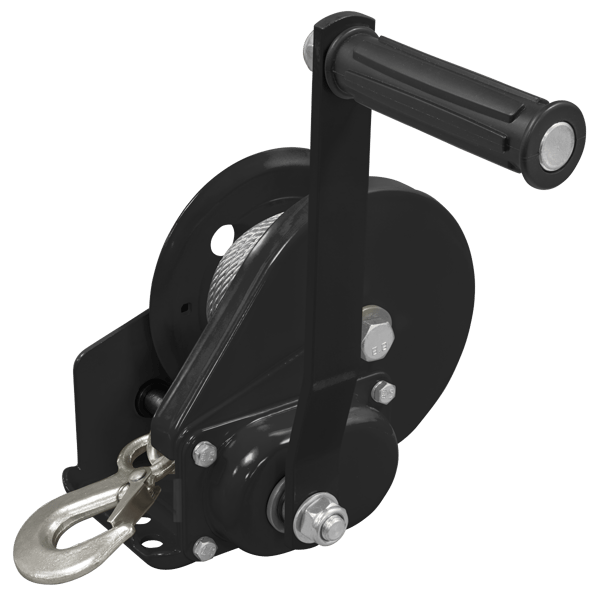 Not yet ratedSealeyGeared Hand Winch with Brake & Cable 540kg Capacity
- 540kg pulling capacity
- 4.2:1 gear ratio
- Automatic brake, 25kg min force
€124.76€126.01€101.43€102.45 -
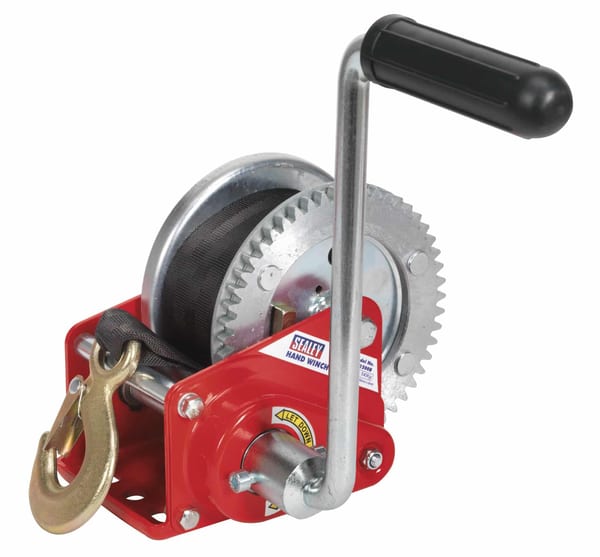 Not yet ratedSealeyGeared Hand Winch with Brake & Webbing 540kg Capacity
- 540kg pulling capacity
- 4.2:1 gear ratio
- Automatic brake, 25kg min. force
€123.23€124.48€100.19€101.20 -
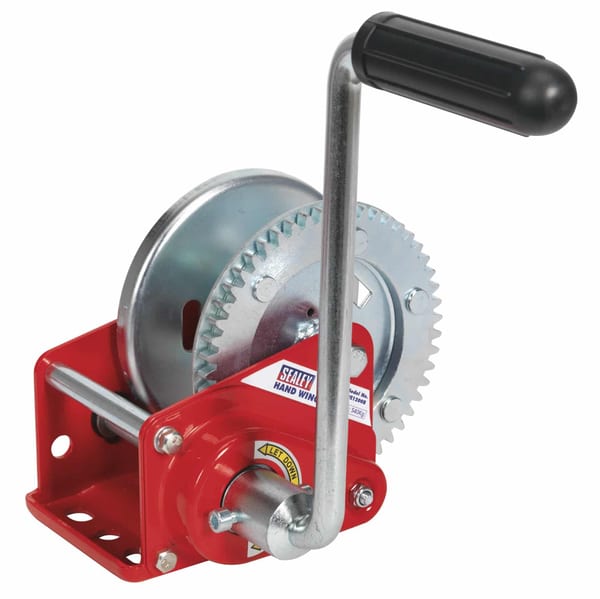 Not yet ratedSealeyGeared Hand Winch with Brake 540kg Capacity
- 540kg capacity, 4.2:1 gear ratio
- Automatic brake, 25kg min. force
€111.06€112.18€90.29€91.20 -
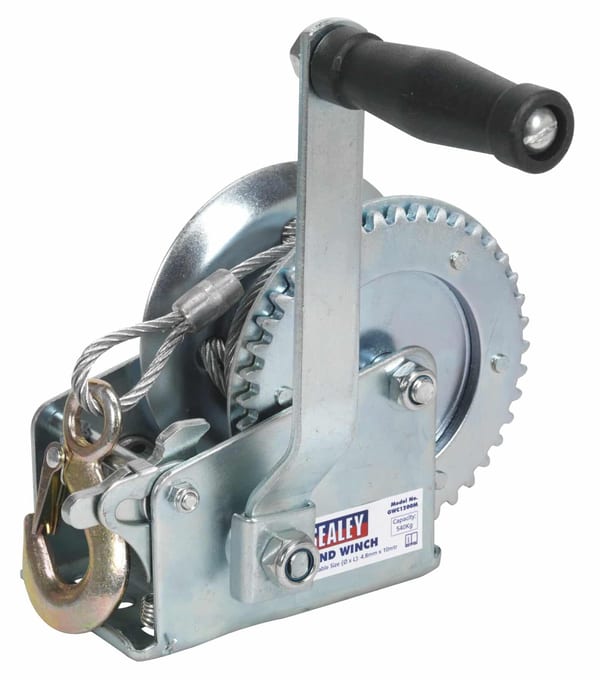 Not yet ratedSealeyGeared Hand Winch with Cable 540kg Capacity
- 540kg capacity
- Single gear, 4:1 ratio
- Manual brake, adjustable
€66.91€67.59€54.40€54.95 -
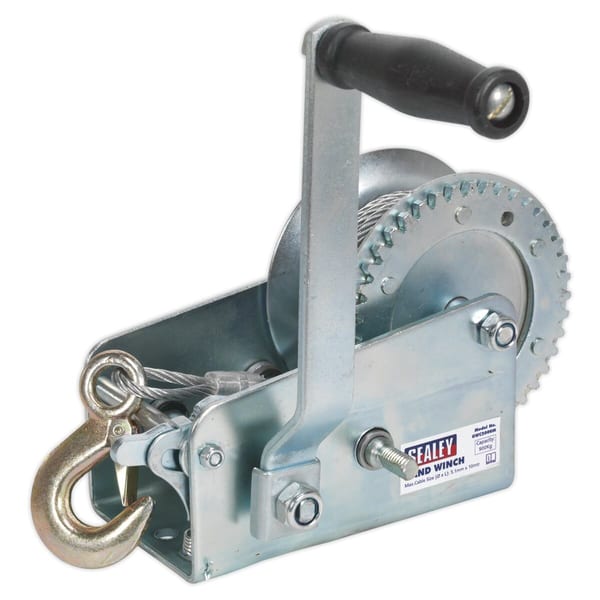 Not yet ratedSealeyGeared Hand Winch with Cable 900kg Capacity
- 900kg capacity
- Single gear, 4:1/8:1 ratio
- Manual brake, 10m cable supplied
€86.70€87.58€70.49€71.20 -
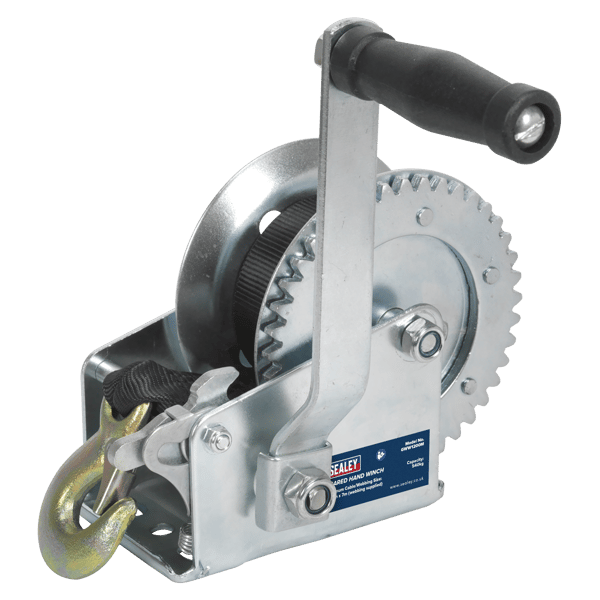 Not yet ratedSealeyGeared Hand Winch with Webbing Strap 540kg Capacity
- 540kg capacity
- 7m webbing strap supplied
- Single gear, 4:1 ratio
€66.91€67.59€54.40€54.95 -
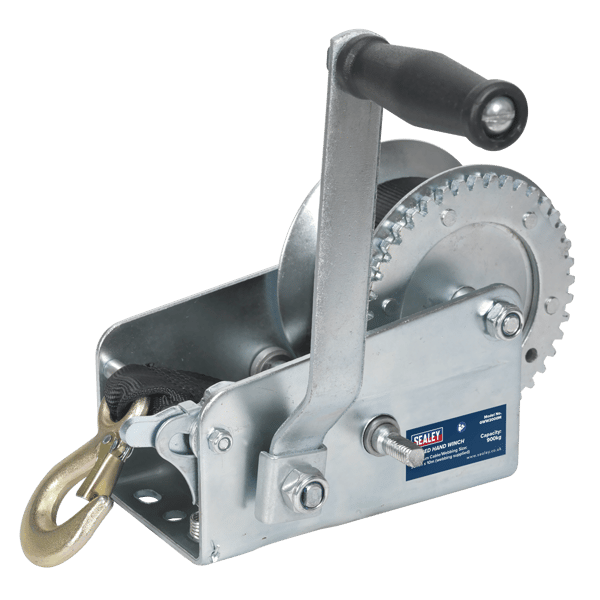 Not yet ratedSealeyGeared Hand Winch with Webbing Strap 900kg Capacity
- 900kg capacity
- 10m webbing strap supplied
- 4:1/8:1 gear ratio
€86.70€87.58€70.49€71.20 -
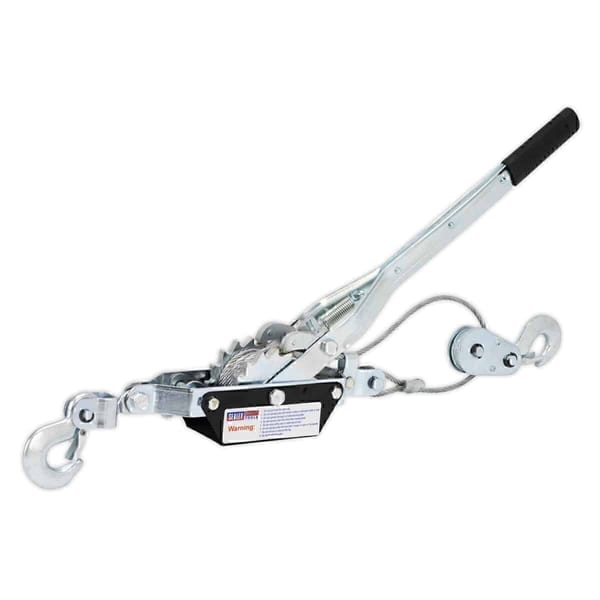 Not yet ratedSealeyHand Power Puller 1000kg
- 1000kg capacity
- 2.6m wire rope, 4.8mm Ø
- Ratchet safety device
€60.82€61.44€49.45€49.95 -
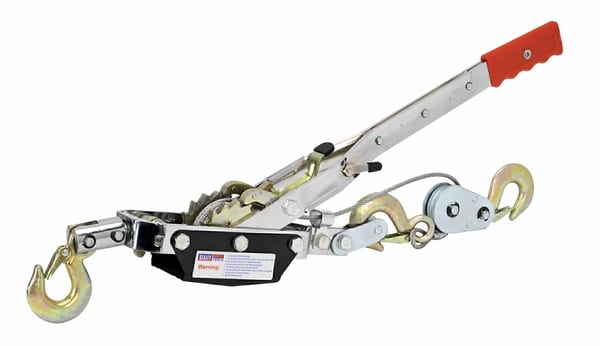 Not yet ratedSealeyHand Power Puller 1500kg
- 1500kg capacity
- 3m wire rope, 5mm diameter
- Double ratchet safety device
€114.09€115.25€92.76€93.70 -
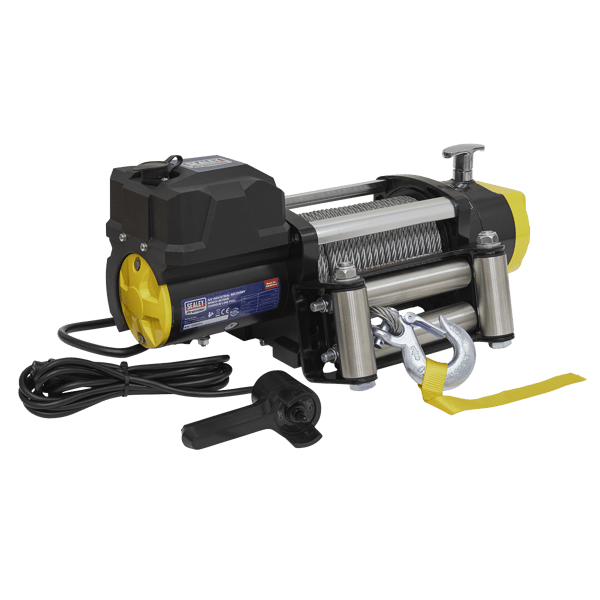 Not yet ratedPremierIndustrial Recovery Winch 5675kg (12500lb) Line Pull 12V
- 5675kg (12500lb) line pull
- 4.7kW 12V DC motor, 6.4hp
- 26m × 9.2mm wire rope
€1,415.52€1,429.81€1,150.83€1,162.45 -
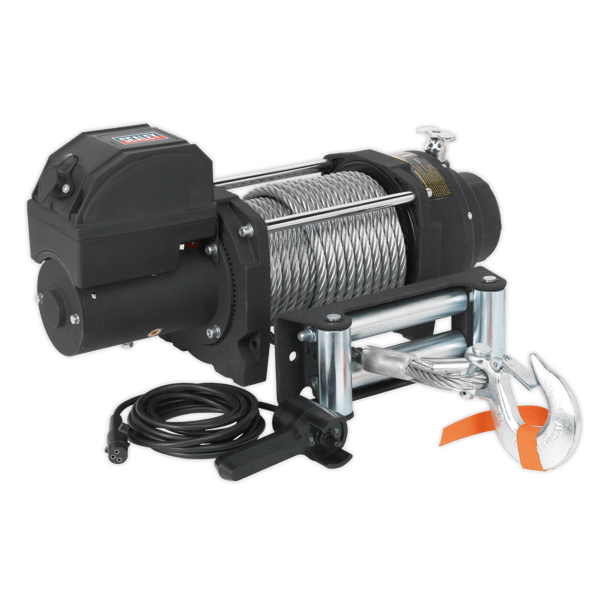 Not yet ratedPremierIndustrial Recovery Winch 8180kg (18000lb) Line Pull 12V
- 8180kg line pull, 12V motor
- 2.3kW, 4-stage planetary gears
- 25m wire rope, 13mm diameter
€1,506.85€1,522.06€1,225.08€1,237.45 -
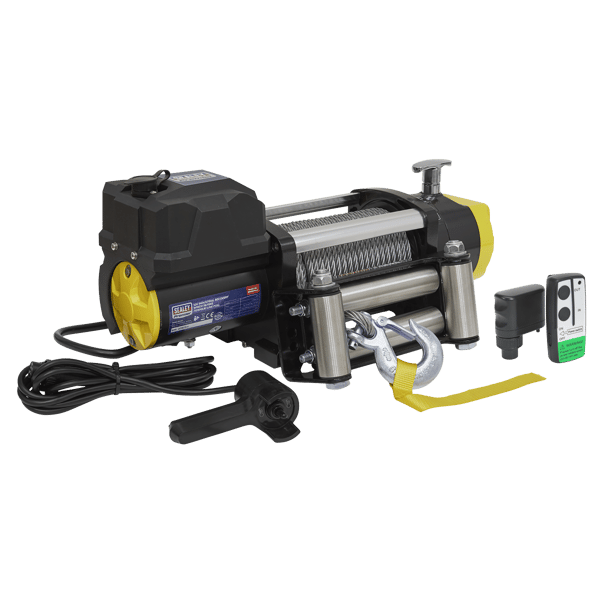 Not yet ratedPremierRW5675 Wireless Winch Combo Kit
- 4.7kW 12V DC motor, 4.7hp
- 5675kg line pull, 15m/min speed
- 4-stage planetary gears, 171:1
€1,423.12€1,437.50€1,157.01€1,168.70 -
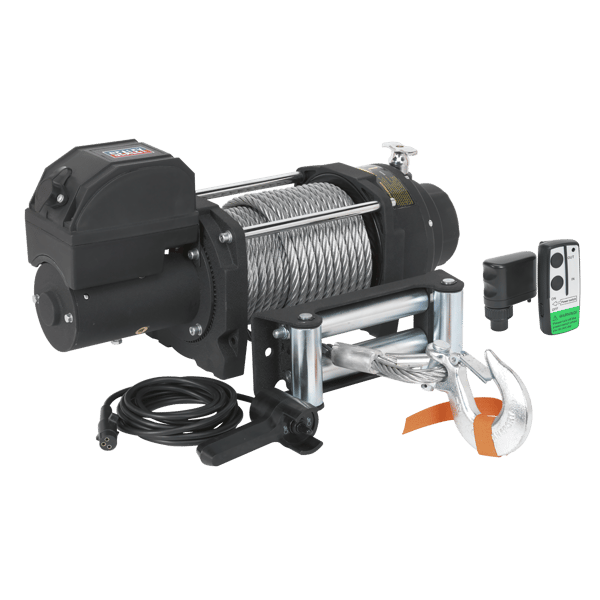 Not yet ratedPremierRW8180 Wireless Winch Combo Kit
- 2.3kW 12V DC motor, 516:1 gears
€1,506.85€1,522.06€1,225.08€1,237.45 -
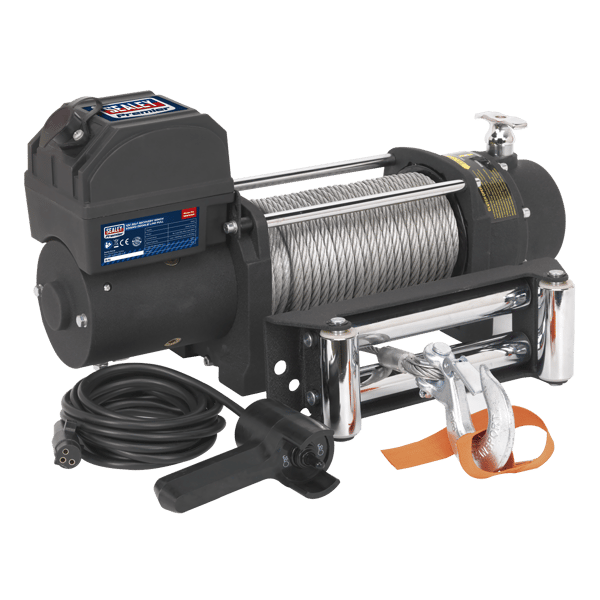 Not yet ratedSealeySelf-Recovery Winch 4300kg (9500lb) Line Pull 12V
- 4300kg (9500lb) line pull
- 1.9kW 12V DC motor
- 26m wire rope, 9.2mm diameter
€913.21€922.44€742.45€749.95 -
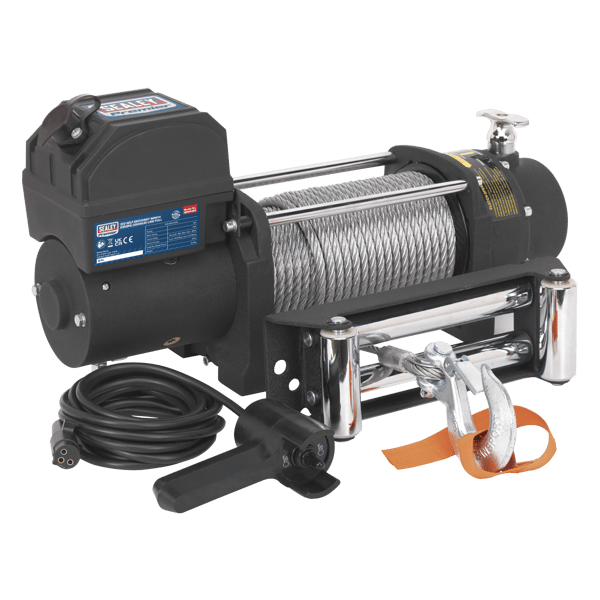 Not yet ratedSealeySelf-Recovery Winch 5450kg (12000lb) Line Pull 12V
- 5450kg (12000lb) line pull
- 2kW 12V DC motor
- 26m wire rope, 9.2mm diameter
€1,019.77€1,030.06€829.08€837.45 -
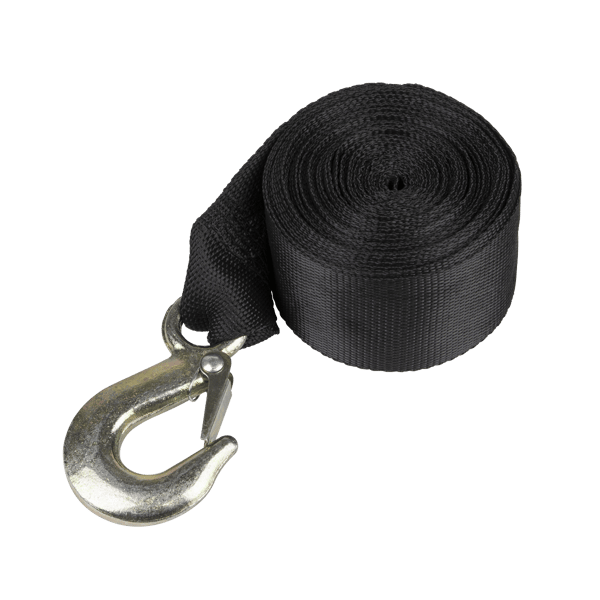 Not yet ratedSealeyTrailer Winch Strap with Forged Hook 50mm x 10m 1350kg Breaking Strength
- 1350kg breaking strength
- 50mm × 10m webbing
- Zinc-coated forged hook
€15.95€16.11€12.97€13.10 -
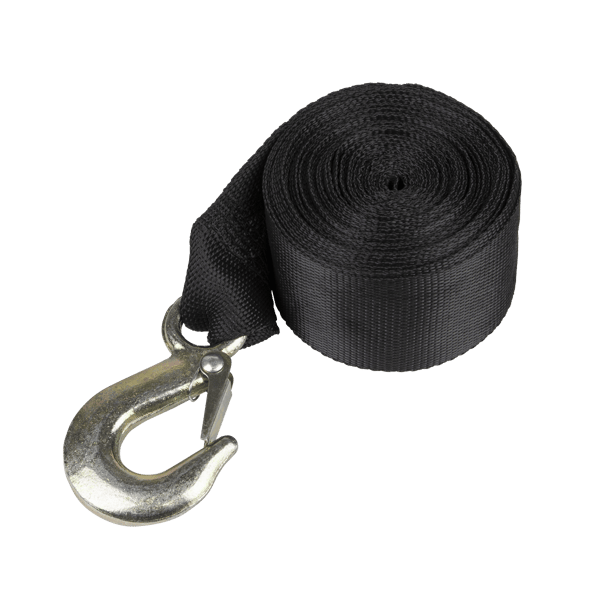 Not yet ratedSealeyTrailer Winch Strap with Forged Hook 50mm x 7m 810kg Breaking Strength
- 810kg breaking strength
- 50mm x 7m webbing
- Zinc-coated forged hook
€12.61€12.73€10.25€10.35 -
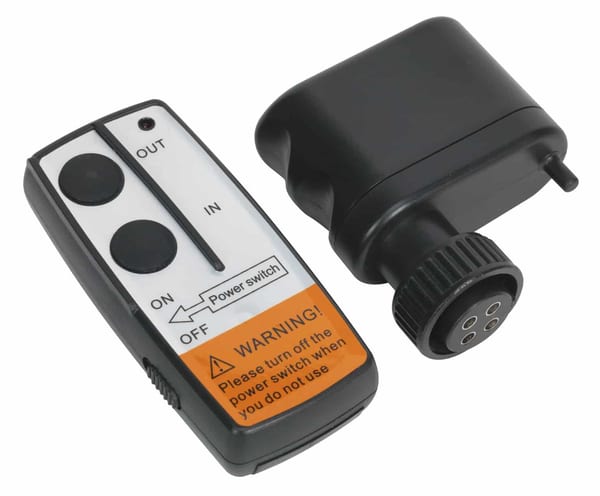 Not yet ratedSealeyUniversal Winch Remote Control
- 4-pin plug-and-play receiver
- 30m wireless range
- Weatherproof receiver + handset
€83.65€84.50€68.01€68.70 -
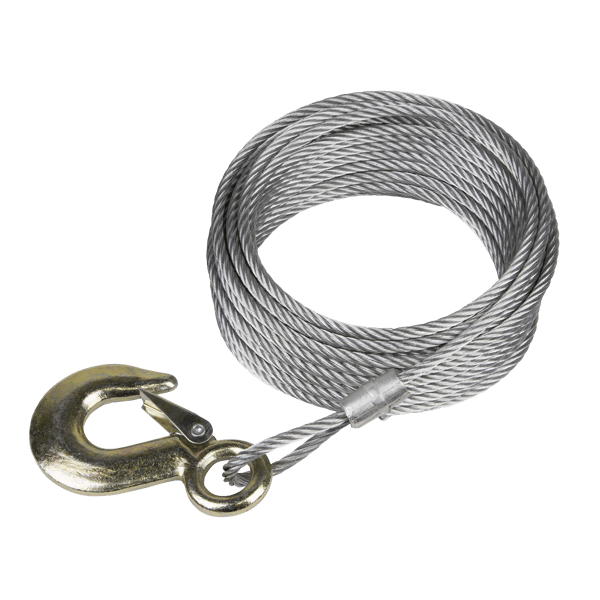 Not yet ratedSealeyWinch Cable/Wire Rope with Forged Hook 5.1mm x 10m 1350kg Breaking Strength
- 5.1 mm × 10 m cable
- 1350 kg breaking strength
- 45 grade steel, zinc coated
€15.95€16.11€12.97€13.10 -
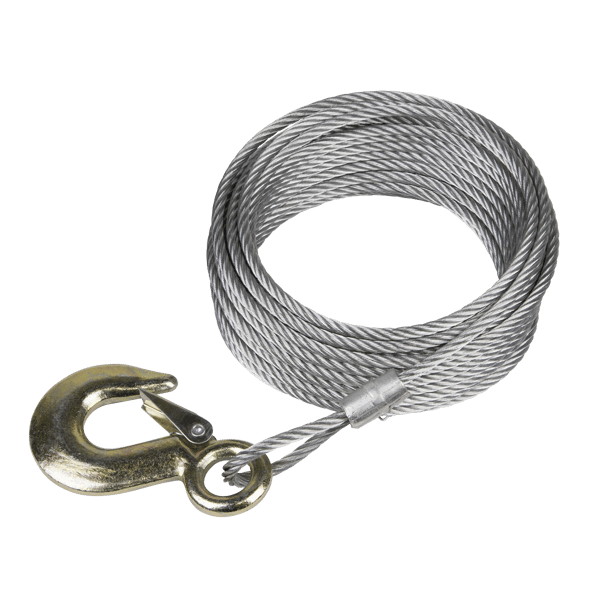 Not yet ratedSealeyWinch Cable/Wire Rope with Forged Hook 5.1mm x 10m 810kg Breaking Strength
- 5.1mm × 10m cable
- 810kg breaking strength
- Zinc-coated, corrosion resistant
€12.61€12.73€10.25€10.35 -
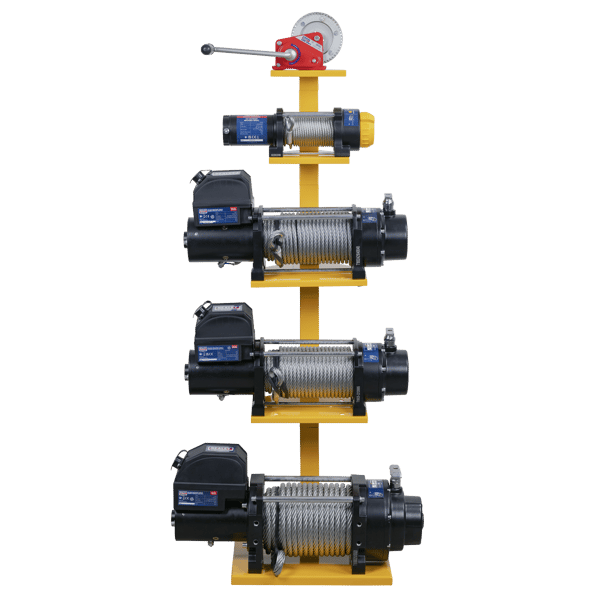 Not yet ratedSealeyWinch Stand Deal
- 5 winches, 540–8180 kg capacity
- 12V electric + manual options
- Winch display stand included
€3,653.04€3,689.94€2,969.95€2,999.95 -
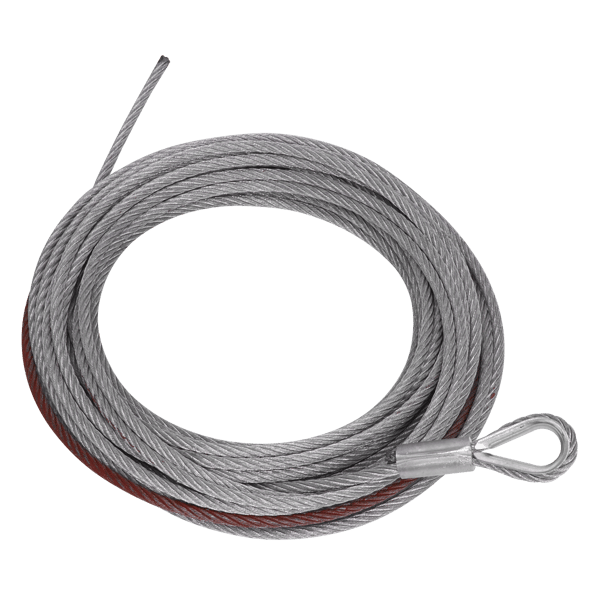 Not yet ratedSealeyWire Rope for ATV1000W 4.8mm x 12m
- 4.8 mm dia. × 12 m length
- For Sealey ATV1000W winch
- Replacement rope, hook not incl.
€21.25€21.46€17.28€17.45 -
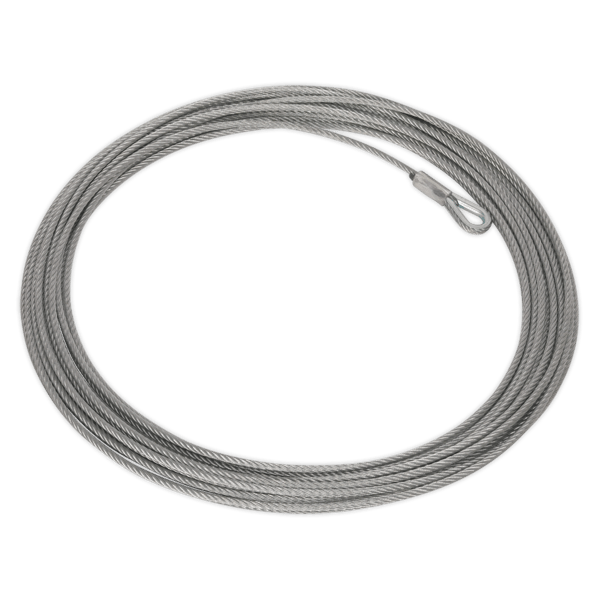 Not yet ratedSealeyWire Rope for ATV1135 4.8mm x 15.2m
- 4.8mm dia., 15.2m length
- For ATV1135 Recovery Winch
€30.38€30.69€24.70€24.95 -
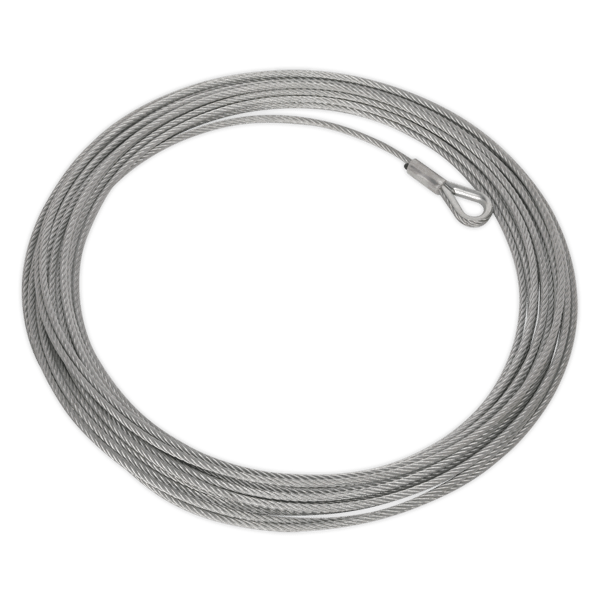 Not yet ratedSealeyWire Rope for ATV2040 5.4mm x 17m
- 5.4mm diameter, 17m length
- For ATV2040 Recovery Winch
- Replacement rope, hook not incl.
€37.99€38.38€30.89€31.20 -
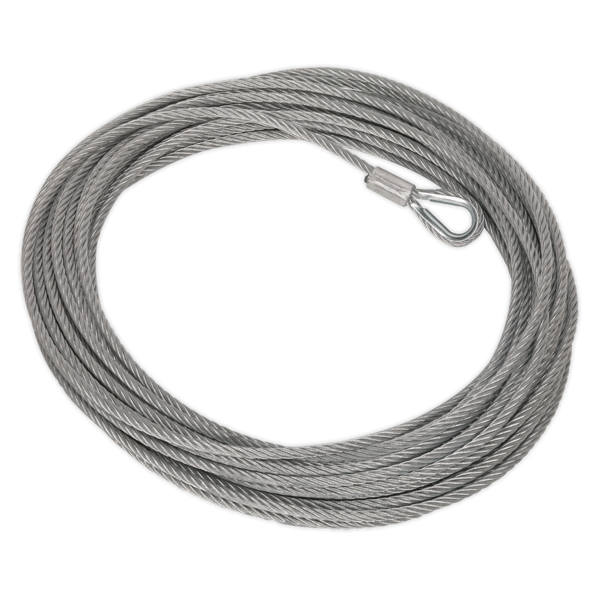 Not yet ratedSealeyWire Rope for RW5675 10.3mm x 29m
- 10.3mm diameter, 29m length
- For RW5675 Recovery Winch
€159.76€161.38€129.89€131.20 -
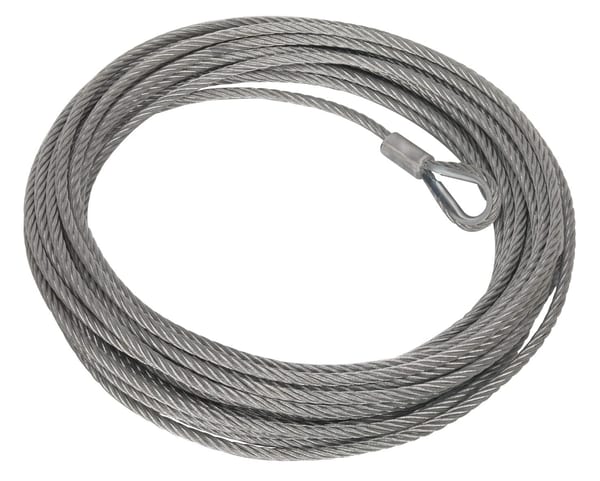 Not yet ratedSealeyWire Rope for RW8180 13mm x 25m
- 13mm diameter, 25m length
- For RW8180 recovery winch
€235.86€238.25€191.76€193.70 -
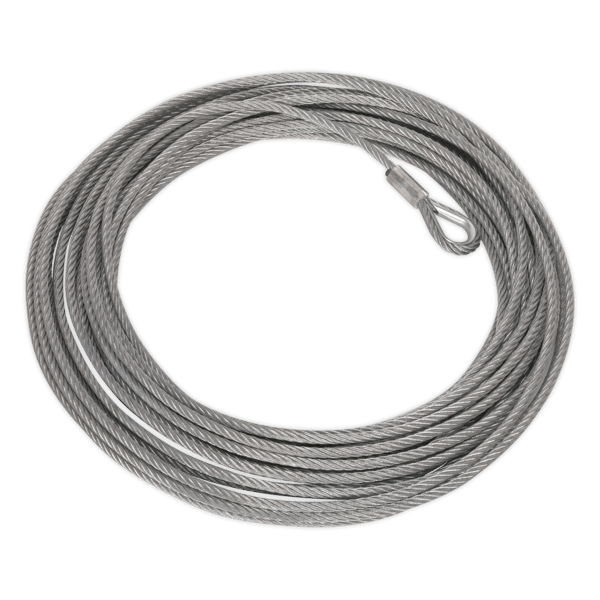 Not yet ratedSealeyWire Rope for SWR4300 & SRW5450 9.2mm x 26m
- 9.2mm diameter, 26m length
- Fits SRW4300 + SRW5450
€126.27€127.55€102.66€103.70 -
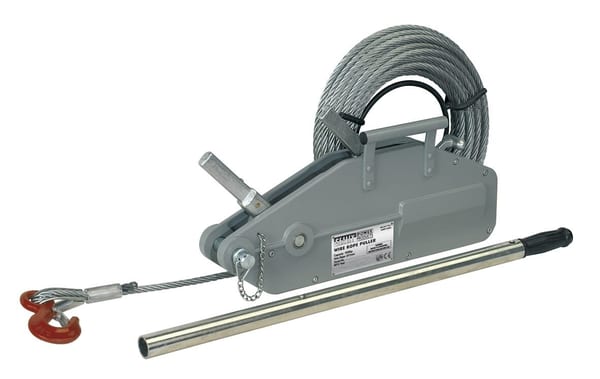 Not yet ratedSealeyWire Rope Puller 1600kg Max Line Force
- 1600kg max line force
- 20m wire rope, 11mm diameter
- Two levers + quick release
€517.46€522.69€420.70€424.95 -
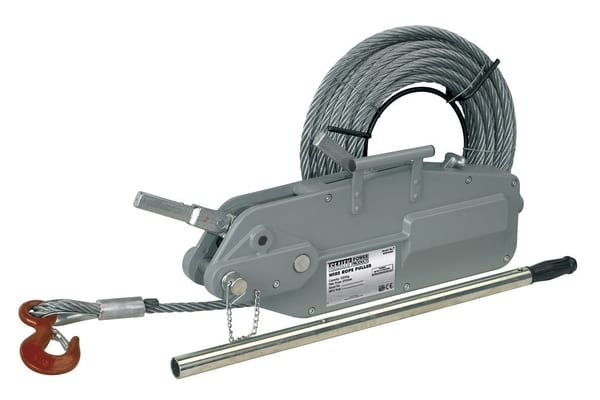 Not yet ratedSealeyWire Rope Puller 3200kg Max Line Force
- 3200kg max line force
- 20m wire rope, 16mm diameter
- Two levers + quick release
€943.66€953.19€767.20€774.95 -
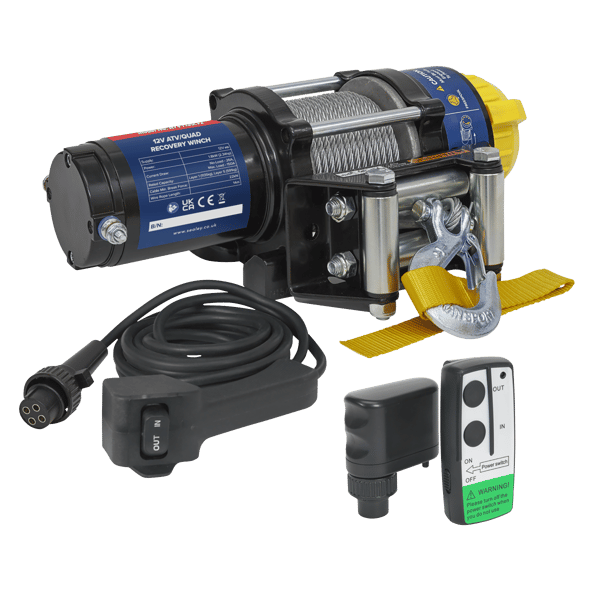 Not yet ratedSealeyWireless Winch ATV1135 Combo Kit
- 12V DC motor, 1.8 kW (2.34 hp)
€456.58€461.19€371.20€374.95 -
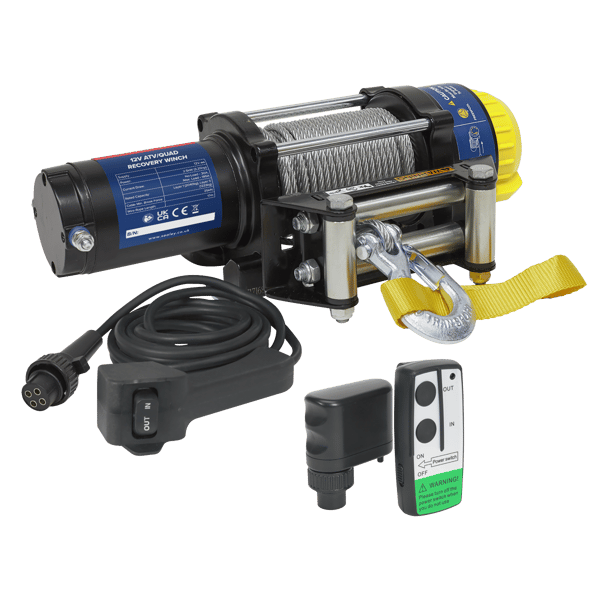 Not yet ratedSealeyWireless Winch ATV2040 Combo Kit
- 12V DC, 2.5kW motor
- 2040kg line pull, 4.5m/min
€547.90€553.44€445.45€449.95
Electric recovery winches are rated by maximum line pull at the first wrap on the drum — 4300 kg suits lighter 4x4s and agricultural trailers, 5450–5675 kg covers most off-road vehicles, 8180 kg handles heavier plant and commercial kit. All run on 12V. Line pull drops as the drum fills, so if you regularly work near the rating limit, size up. Wire rope diameter and length are specific to each model — check the replacement part number before ordering.
Hand winches and power pullers are mechanical advantage tools. The 900 kg geared winch uses webbing strap and a ratchet mechanism — compact and light enough to move between sites. Lever-operated power pullers (1000 kg and 1500 kg) use wire rope and are quicker to reset under load than a hand-crank winch. Both need a solid anchor point rated well above the working load. For fixed workshop use, bolt the winch frame to a bench or strongpoint; for mobile recovery work, carry rated shackles and a tree strap.
Wire rope wears at the termination points and where it bends over fairleads. Inspect for kinks, broken strands, and corrosion before each use. If more than a couple of strands are broken in one lay length, or if the rope shows a kink, replace it. Keep the drum clean — mud and grit between the wraps will damage the rope under load. Sealey and Premier both supply replacement ropes matched to the winch drum — order by the winch model number to get the correct diameter and length.