
Hi. What are you looking for? Tell us what you need and we'll get back to you.
Couplings High Flow
High-flow couplings move more air per second than standard quick-release fittings — critical when you're running spray guns, shot-blasters, or any tool rated above 15 CFM. The wider bore cuts pressure drop, so the tool sees closer to compressor output. Check the thread spec before you buy: BSPT is tapered and seals on the thread, BSP parallel needs a washer. Match the coupling bore to your hose ID — a 3/8" bore suits most workshop airlines, 1/2" for heavier gear.
Showing all 10 results
-
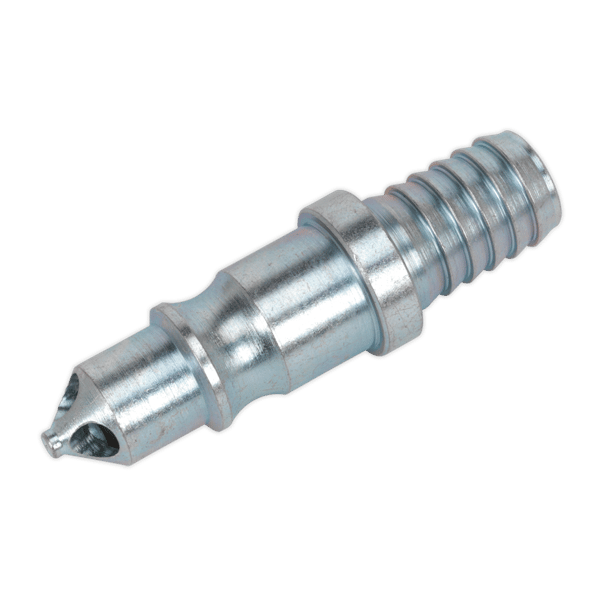 Not yet ratedSealeyPCL Adaptor Tailpiece 1/2" Bore Hose - Pack of 2
- 100 Series coupling compatible
- 1/2" bore hose
- 100-117 CFM at 100 psi
€25.82€26.08€20.99€21.20 -
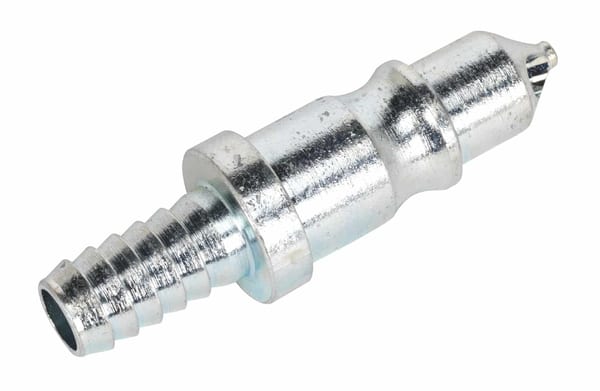 Not yet ratedSealeyPCL Adaptor Tailpiece 3/8" Bore Hose - Pack of 2
- 3/8" bore hose tailpiece
- 100-117 CFM at 100 psi
- 100 Series coupling compatible
€25.82€26.08€20.99€21.20 -
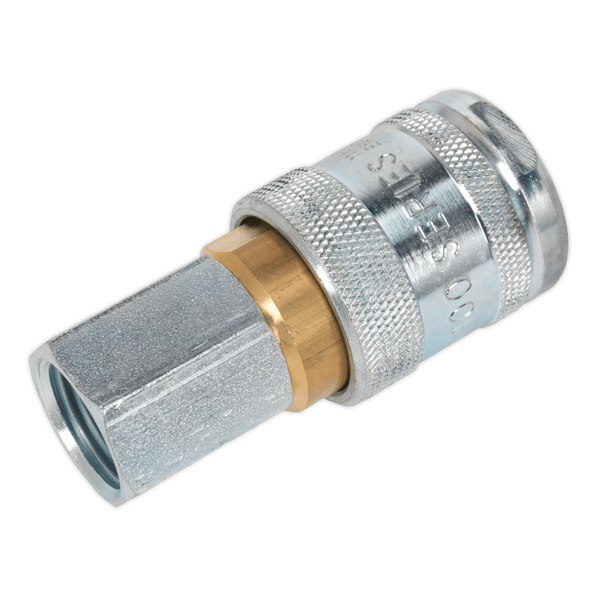 Not yet ratedSealeyPCL Coupling Body Female 1/2"BSP
- Female 1/2" BSP thread
- 100-117 cfm at 100 psi
- 100 Series compatible
€71.48€72.20€58.11€58.70 -
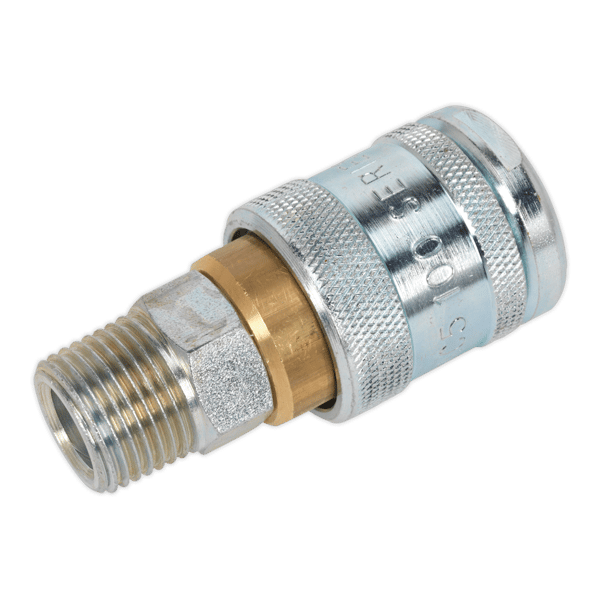 Not yet ratedSealeyPCL Coupling Body Male 1/2"BSPT
- 1/2" BSPT male thread
- 100-117 cfm at 100 psi
- 100 Series coupling compatible
€71.48€72.20€58.11€58.70 -
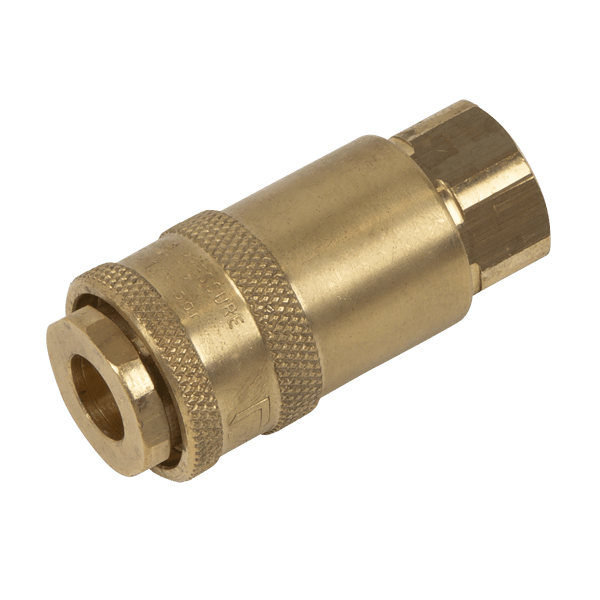 Not yet ratedSealeyPCL Non-Corrodible Coupling Body Female 1/4"BSPT
- Brass, non-corrodible
- Female 1/4 in. BSPT thread
- Max 14 bar (200 psi)
€86.70€87.58€70.49€71.20 -
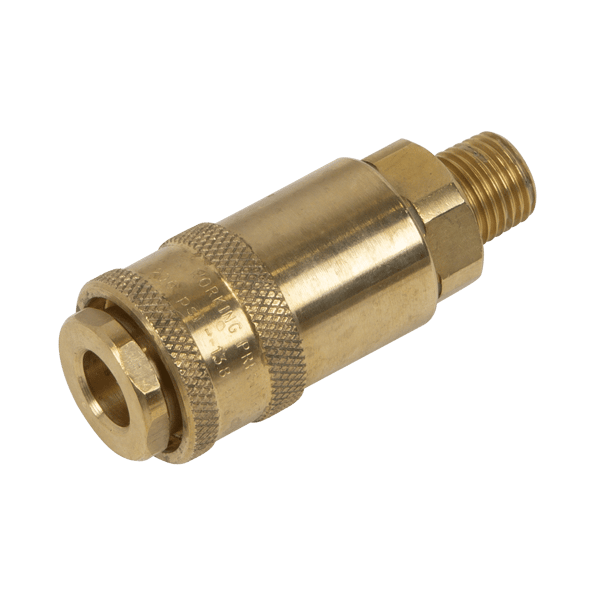 Not yet ratedSealeyPCL Non-Corrodible Coupling Body Male 1/4"BSPT
- Brass, non-corrodible
- Male 1/4" BSPT thread
- Max 14 bar (200 psi)
€86.70€87.58€70.49€71.20 -
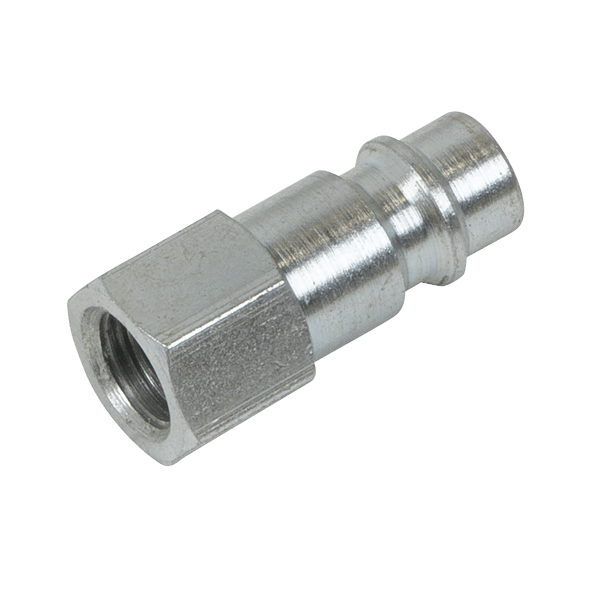 Not yet ratedSealeyPCL Screwed Adaptor Female 1/8"BSPT
- 1/8" BSPT female thread
- XF-Euro coupling compatible
- 35 bar max working pressure
€9.56€9.66€7.77€7.85 -
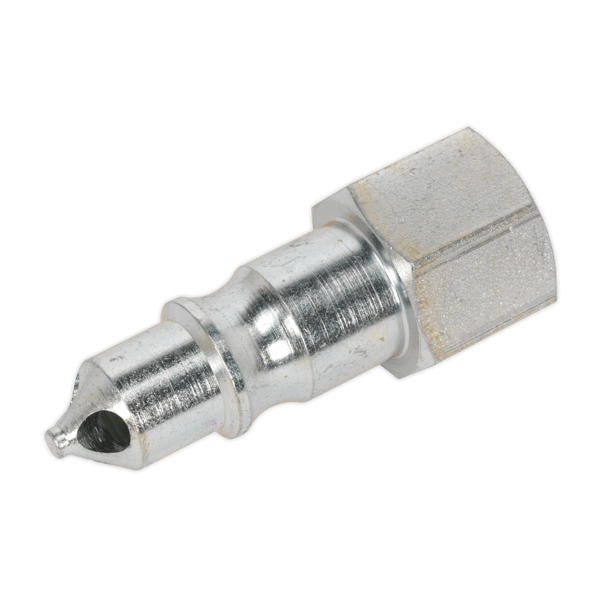 Not yet ratedSealeyPCL Screwed Adaptor Female 3/8"BSPT - Pack of 2
- 3/8" BSPT female thread
- 100-117 cfm at 100 psi
€25.82€26.08€20.99€21.20 -
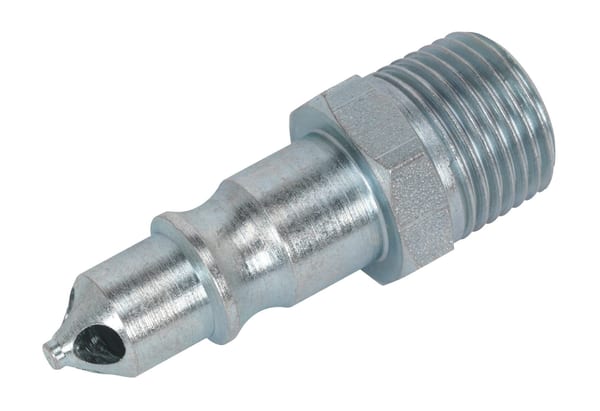 Not yet ratedSealeyPCL Screwed Adaptor Male 1/2"BSPT - Pack of 2
- 1/2" BSPT male thread
- 100-117 cfm airflow @ 7 bar
- 100 Series coupling compatible
€25.82€26.08€20.99€21.20 -
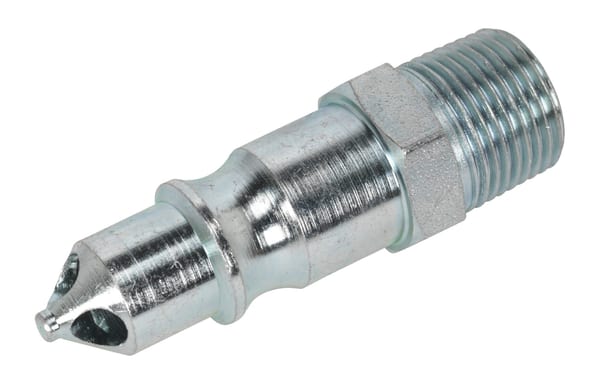 Not yet ratedSealeyPCL Screwed Adaptor Male 3/8"BSPT - Pack of 2
- 3/8" BSPT male thread
- 100-117 cfm @ 100 psi
- 100 Series coupling compatible
€25.82€26.08€20.99€21.20
Most quick-release couplings use a ball-and-sleeve lock that opens under spring pressure when you pull the collar. High-flow versions widen the internal passage and enlarge the ball seats, trading a slightly stiffer release action for higher volume. If you're switching between tools all day, a coupling body stays on the tool and the tailpiece lives on the hose end — keeps threads intact and saves time.
Tailpieces push into hose and clamp with a jubilee clip or crimp ferrule. The 3/8" bore tailpiece fits 10 mm ID airline, the 1/2" suits 13 mm. BSPT (British Standard Pipe Taper) threads seal with PTFE tape and tighten until the taper binds; don't force them past hand-tight-plus-two-turns or you'll crack the casting. BSP parallel (BSPP) won't seal without a bonded washer on the shoulder — thread tape alone will leak. Check what your compressor outlet and tool inlets use, then pick adaptors to match.
Non-corrodible bodies use plated steel or composite sleeves to resist moisture in the airline. Useful in spray booths or anywhere condensation sits in the hose overnight. Standard steel couplings will pit eventually if you don't blow down the system after use, but they're fine for dry workshop air. If you see pressure drop at the tool gauge compared to the compressor gauge, check for undersized couplings before you blame the hose.