
Hi. What are you looking for? Tell us what you need and we'll get back to you.
Polishers
Polishers for bodywork, metal finishing, and surface prep. Rotary models spin a pad at constant speed for cutting compound work and heavy correction. Dual-action units combine rotation with an orbital swing for safer paint polishing with less risk of burn-through. Spot polishers handle tight curves and panel edges. Corded versions deliver sustained power; cordless tools suit mobile work where dragging a lead isn't practical.
Showing all 8 results
-
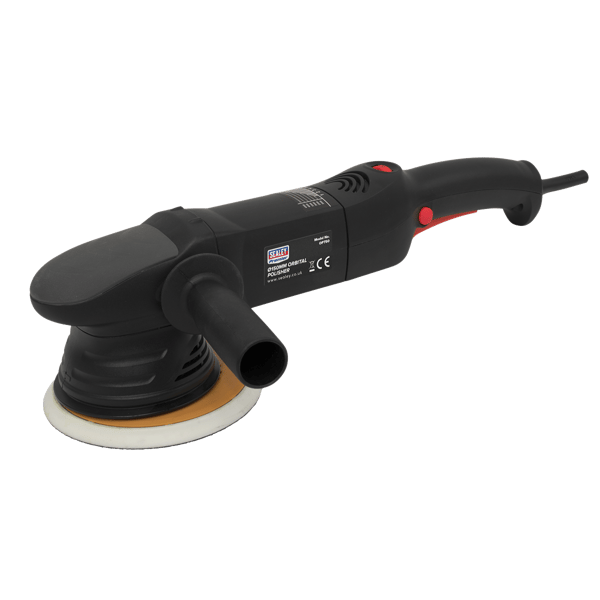 Not yet ratedPremier150mm Dual Action Variable Speed Polisher 750W/230V
- 21mm orbit, 2000-4500 rpm
- 150mm backing pad + 2× pads
- Vibration-reducing motor
€319.59€322.81€259.83€262.45 -
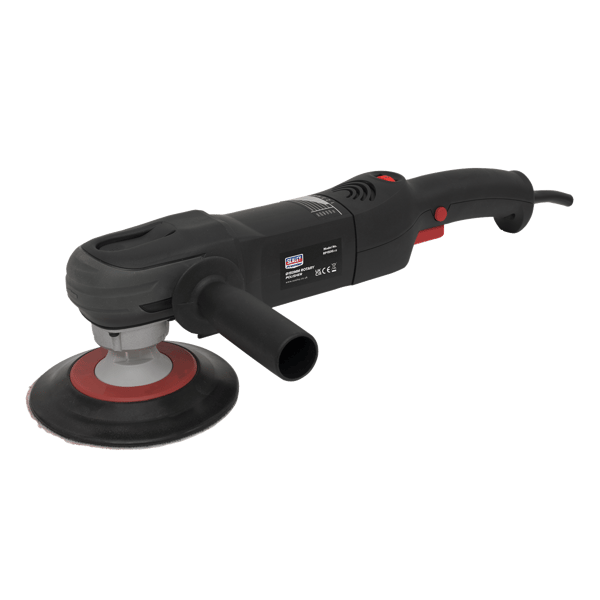 Not yet ratedPremier150mm Variable Speed Rotary Polisher 1050W/230V
- 1050W motor, 700-2500 rpm
- Ø150mm backing pad included
- Spindle lock, soft start
€273.92€276.69€222.70€224.95 -
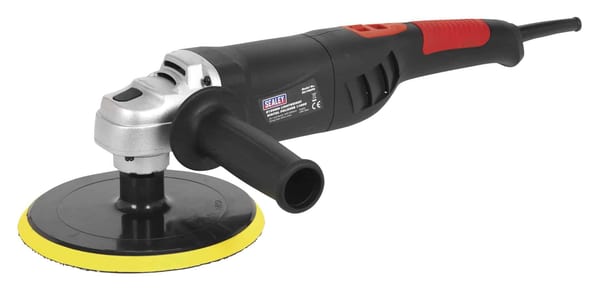 Not yet ratedSealey180mm Lightweight Digital Rotary Polisher 1100W/230V
- 1100W motor, lightweight housing
- Ø180mm pad, M14 x 2mm thread
- Spindle lock, 2 handles included
€213.04€215.19€173.20€174.95 -
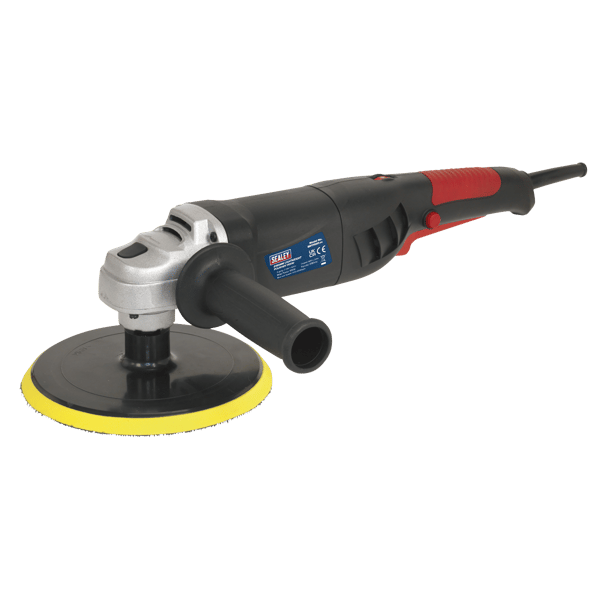 Not yet ratedSealey180mm Lightweight Rotary Polisher 1100W/230V
- 180mm pad, M14 x 2mm thread
- 3m mains cable, 2.4kg
€174.98€176.75€142.26€143.70 -
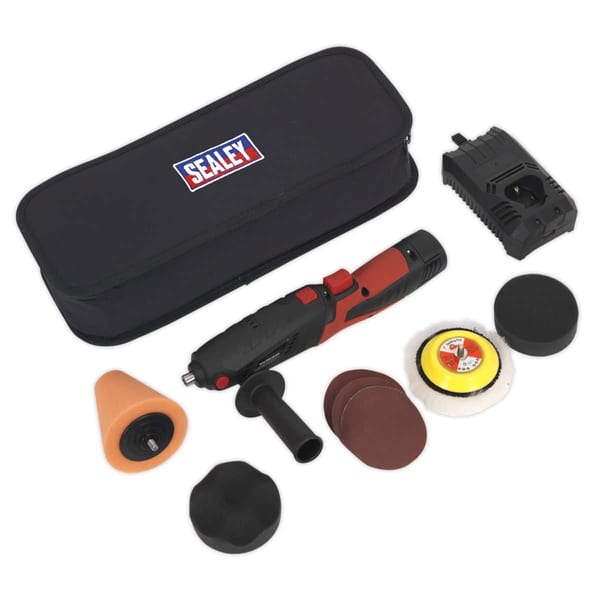 Not yet ratedSealeyCordless Mini Sander/Polisher Kit 75mm 12V
- 12V lithium-ion, 1.5Ah battery
€190.21€192.13€154.64€156.20 -
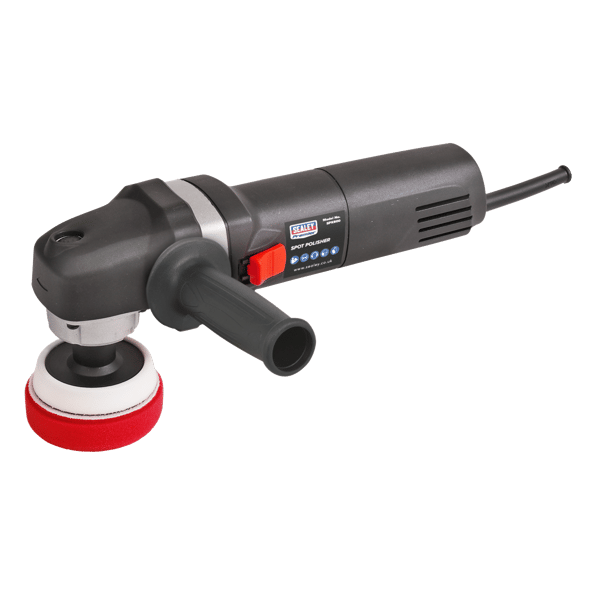 Not yet ratedPremierRotary Spot Polisher Kit 600W/230V
- 600W, 230V motor
- Speed: 700-2500 rpm, 6-stage
- Pad sizes Ø25-75 mm, M14 thread
€289.15€292.06€235.08€237.45 -
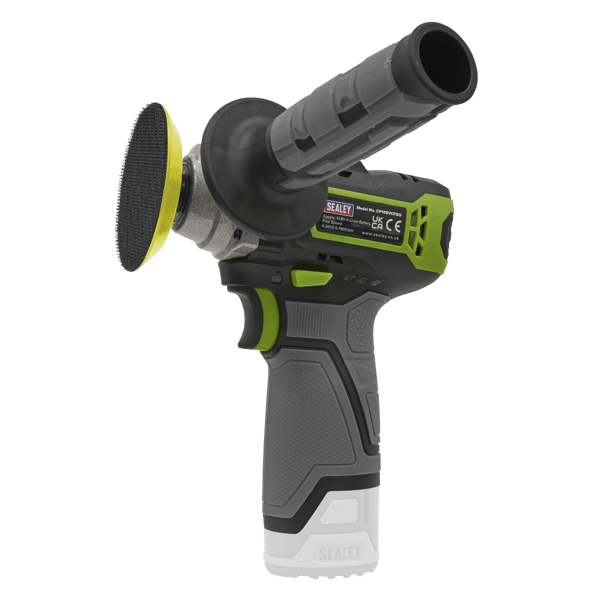 Not yet ratedSealeySV10.8 Series 75mm Cordless Polisher 10.8V - Body Only
- Soft grip, side handle included
€66.91€67.59€54.40€54.95 -
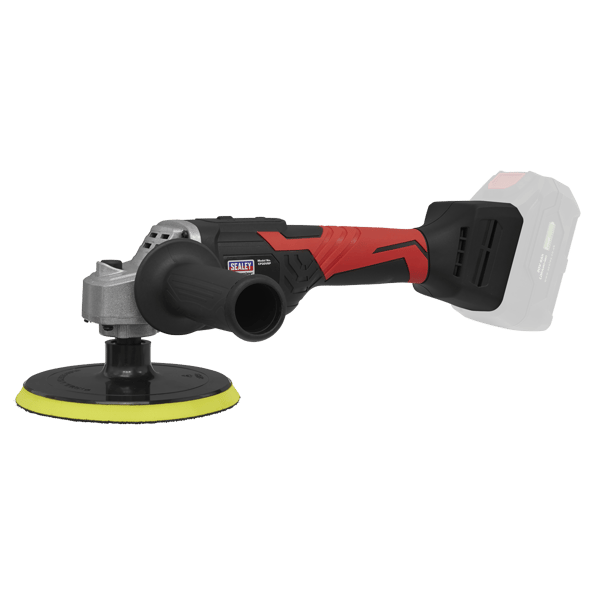 Not yet ratedPremierSV20 Series 150mm Cordless Rotary Polisher 20V - Body Only
- Variable speed 500–3000 rpm
- Ø150 mm backing pad included
- Spindle lock, fast pad changes
€159.76€161.38€129.89€131.20
Pick rotary or dual-action based on the job. Rotary polishers cut faster and work well with wool pads and heavy compound, but they need a steady hand — hold the tool at the wrong angle or dwell too long and you'll burn through clear coat. Dual-action models are slower but more forgiving on paint, making them the usual choice for final polishing and wax application. Spot polishers fit where full-size tools don't: door handles, mirror backs, wing creases.
Pad diameter matters. A 150 mm pad covers bodywork panels efficiently. Smaller 75 mm units reach tighter geometry but take longer on open surfaces. Corded models hold speed under load, which matters when you're working through several stages of compound. Cordless polishers suit quick touch-ups or sites without mains access, though runtime limits how much panel area you can cover on one charge. Variable speed control lets you match pad speed to the compound and the surface — start slow to spread product, then raise speed as it breaks down.
Check pad fitment before you buy backing plates or bonnets separately. Hook-and-loop (Velcro) is standard, but thread sizes and shaft lengths vary between brands. For paint correction, use a dedicated polishing pad; don't reuse a sanding disc backing plate unless the product label confirms it's rated for the tool's speed range.