
Hi. What are you looking for? Tell us what you need and we'll get back to you.
Trowels
Trowels for bricklaying, plastering, and pointing work. Stainless steel blades resist rust and clean up easier than carbon steel. Rubber handles give better grip when the blade's loaded or your hands are dusty. Pick the profile and size that suits the joint width, corner access, or finish you're after.
Showing all 17 results
-
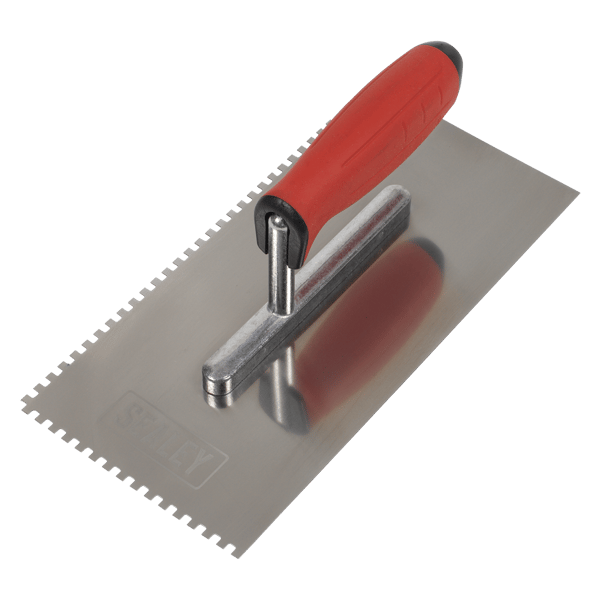 Not yet ratedSealeyStainless Steel 4mm Notched Trowel with Rubber Handle 270mm
- 4mm notched blade
- Stainless steel, rust resistant
- Rubber ergonomic handle, 270mm
€16.68€16.85€13.56€13.70 -
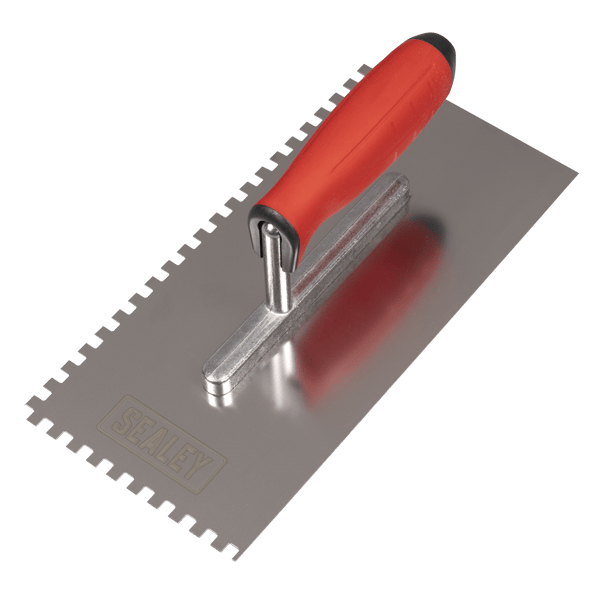 Not yet ratedSealeyStainless Steel 6mm Notched Trowel with Rubber Handle 270mm
- 6mm notched blade
- Stainless steel, rust resistant
- Rubber soft grip handle, 270mm
€16.68€16.85€13.56€13.70 -
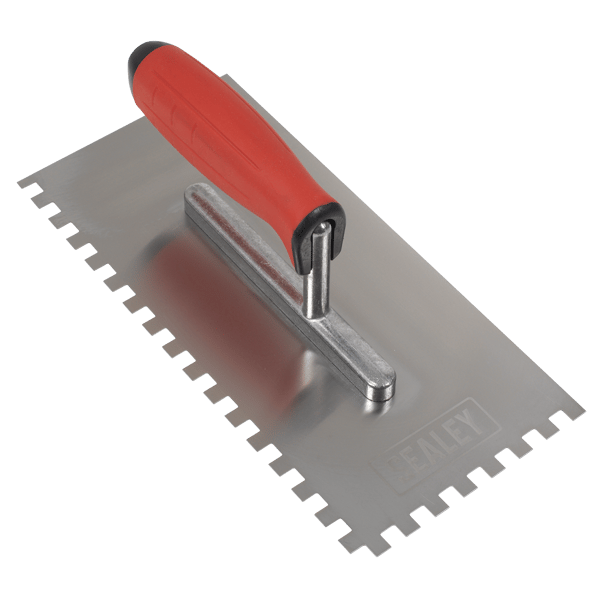 Not yet ratedSealeyStainless Steel 8mm Notched Trowel with Rubber Handle 270mm
- 8mm notched blade
- Stainless steel, rust resistant
- Rubber soft grip handle, 270mm
€16.68€16.85€13.56€13.70 -
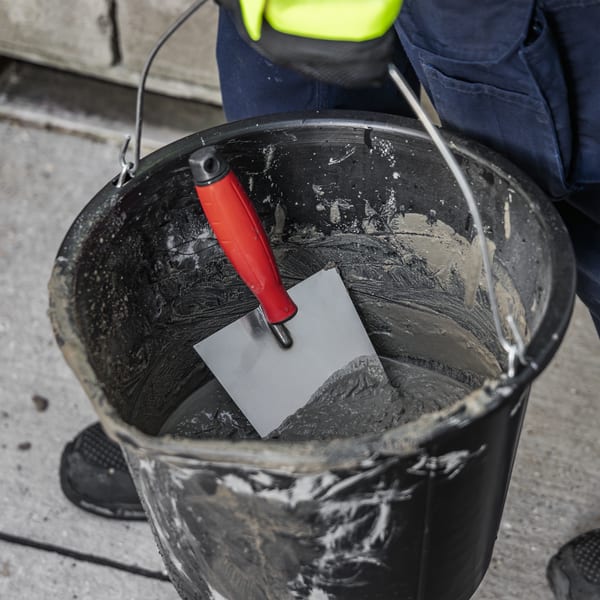 Not yet ratedSealeyStainless Steel Bucket Trowel with Rubber Handle 180mm
- 180 mm stainless steel blade
- Two-component rubber handle
- Rust resistant
€11.08€11.19€9.01€9.10 -
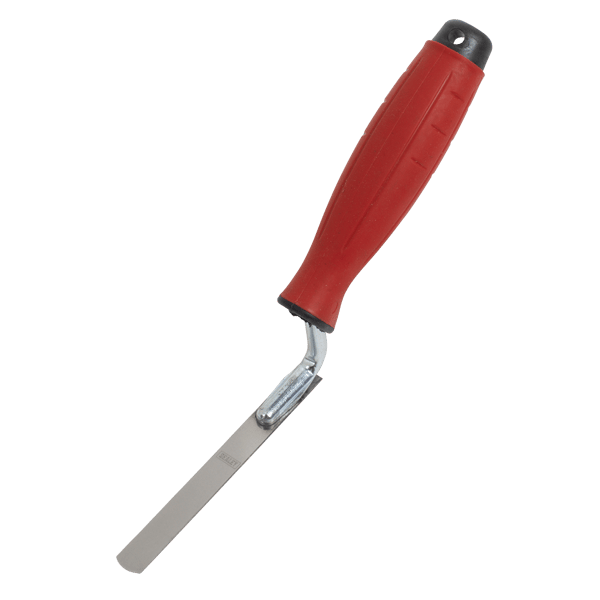 Not yet ratedSealeyStainless Steel Edging Trowel with Rubber Handle 12mm
- Stainless steel blade
- 2-component rubber handle
- 12 mm edging trowel
€6.03€6.09€4.90€4.95 -
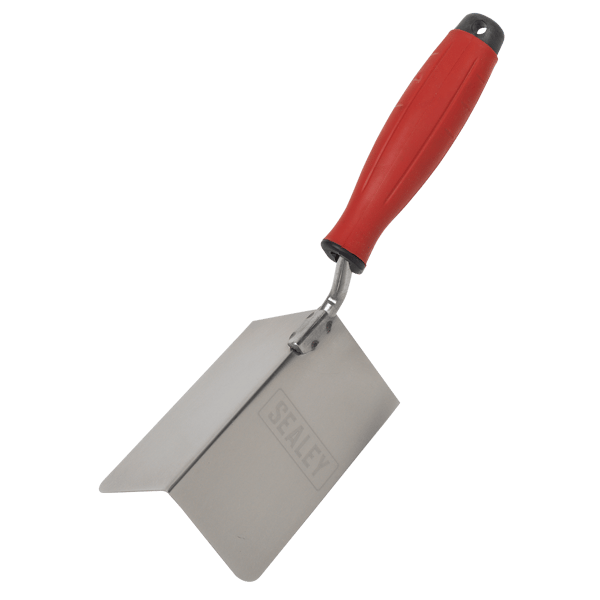 Not yet ratedSealeyStainless Steel External Corner Trowel with Rubber Handle 120 x 60mm
- Stainless steel blade
- 120 x 60 mm
- Rubber two-component handle
€8.65€8.73€7.03€7.10 -
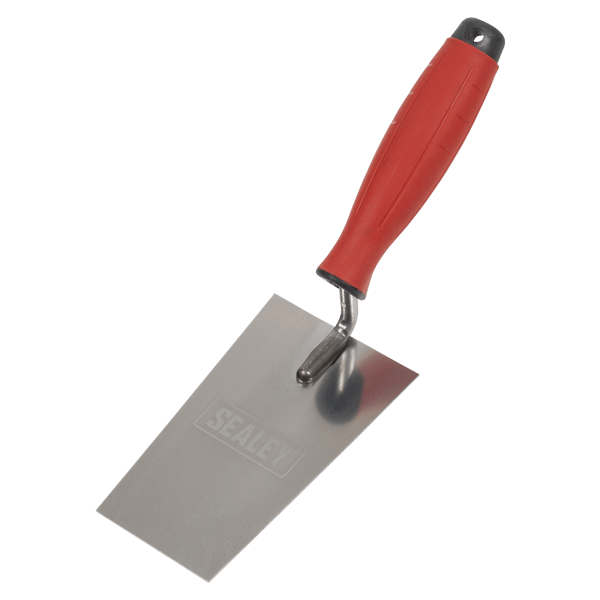 Not yet ratedSealeyStainless Steel Filler Trowel with Rubber Handle 140mm
- 140 mm stainless steel blade
- Ergonomic two-component handle
- Rust resistant, highly durable
€7.86€7.93€6.39€6.45 -
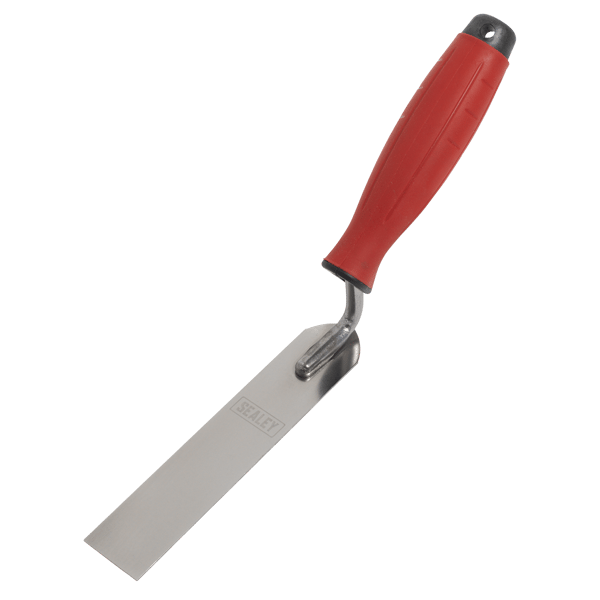 Not yet ratedSealeyStainless Steel Finishing Trowel with Rubber Handle 30 x 160mm
- 30 × 160 mm blade
- Stainless steel, rust resistant
- Two-component rubber handle
€7.74€7.81€6.29€6.35 -
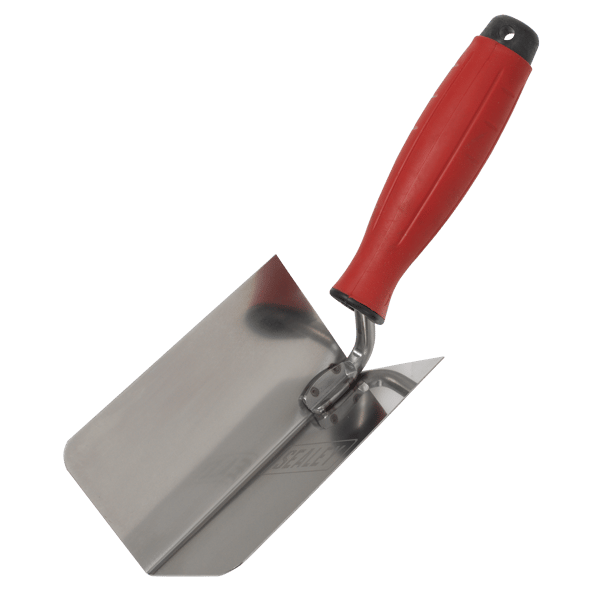 Not yet ratedSealeyStainless Steel Internal Corner Trowel with Rubber Handle 120 x 60mm
- Stainless steel, rust resistant
- 120 x 60 mm blade
- Two-component rubber handle
€8.34€8.43€6.78€6.85 -
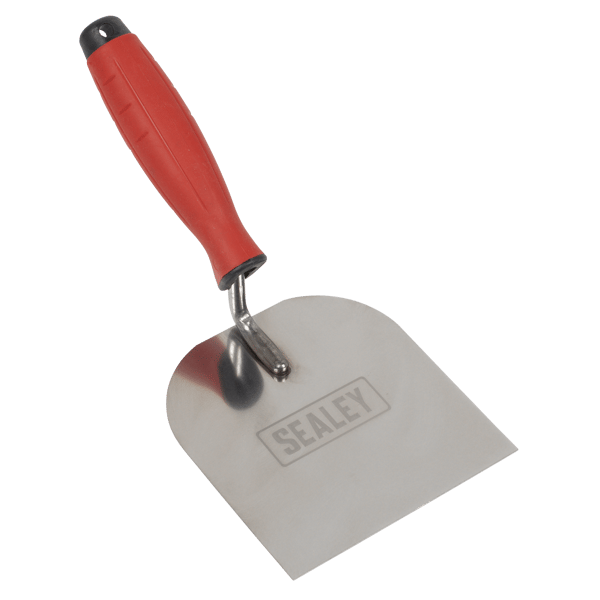 Not yet ratedSealeyStainless Steel Margin Trowel with Rubber Handle 120mm
- Stainless steel, rust resistant
- 120 mm blade
- Two-component rubber handle
€7.43€7.50€6.04€6.10 -
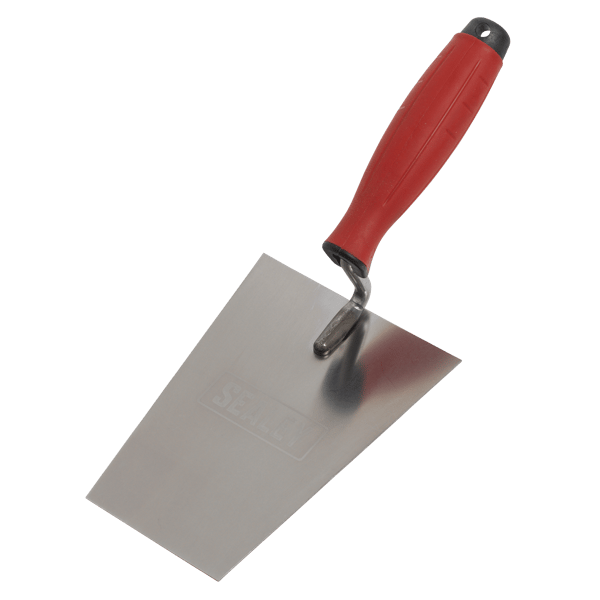 Not yet ratedSealeyStainless Steel Masonry Trowel with Rubber Handle 160mm
- 160 mm stainless steel blade
- Two-component rubber handle
- Rendering, putty, adhesive work
€9.08€9.16€7.38€7.45 -
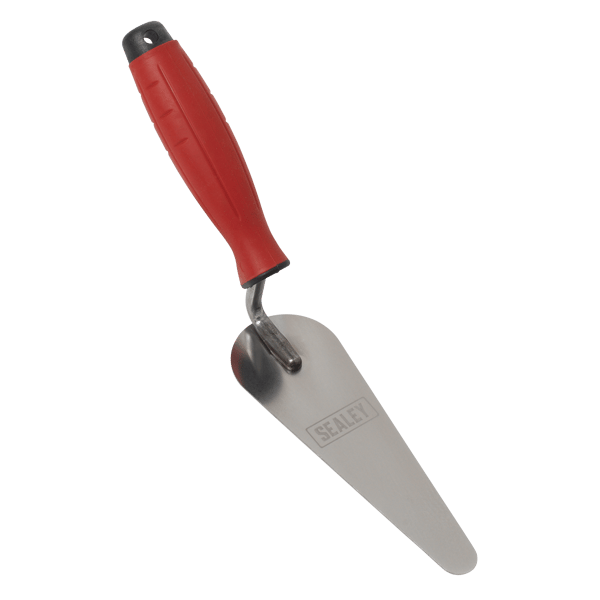 Not yet ratedSealeyStainless Steel Narrow Gauging Trowel with Rubber Handle 160mm
- 160 mm stainless steel blade
- Two-component rubber handle
- Gauging trowel for tight spaces
€9.56€9.66€7.77€7.85 -
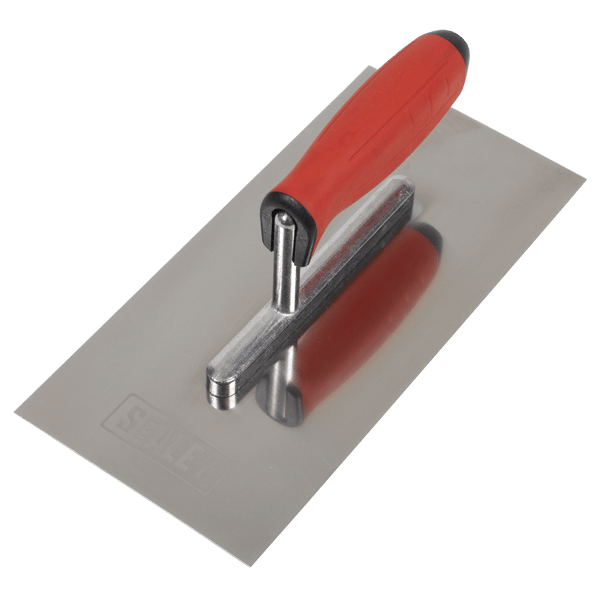 Not yet ratedSealeyStainless Steel Plastering Trowel with Rubber Handle 270mm
- 270 mm stainless steel blade
- Two-component rubber handle
- Aluminium foot, lightweight
€17.48€17.65€14.21€14.35 -
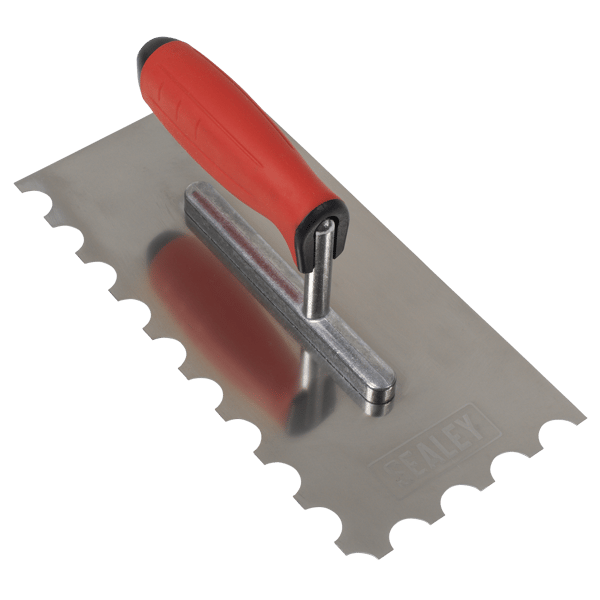 Not yet ratedSealeyStainless Steel Semicircle Tooth Trowel with Rubber Handle & Aluminium Foot 270mm
- Semicircle notched blade
- Stainless steel, rust resistant
- Aluminium foot, 270 mm
€15.95€16.11€12.97€13.10 -
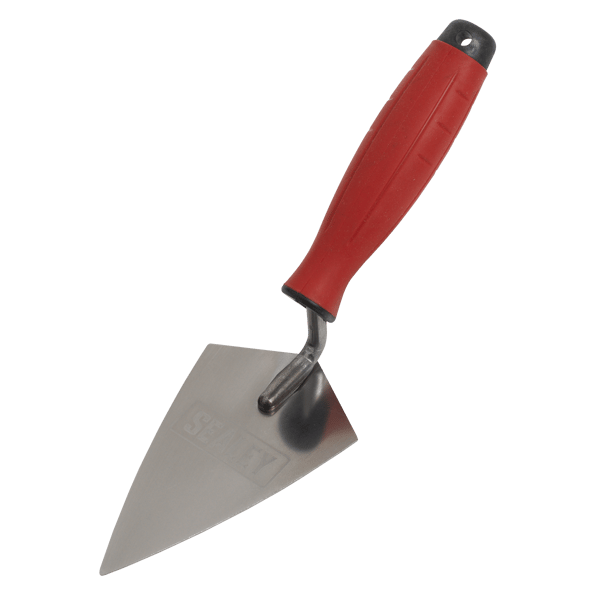 Not yet ratedSealeyStainless Steel Sharp Pointing Trowel with Rubber Handle 140mm
- 140 mm pointing trowel
- Stainless steel, rust resistant
- Ergonomic two-component handle
€9.08€9.16€7.38€7.45 -
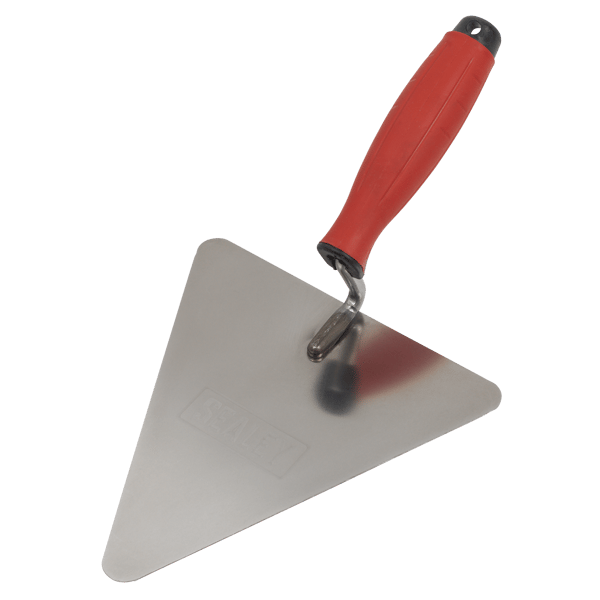 Not yet ratedSealeyStainless Steel Triangular Brick Trowel with Rubber Handle 180mm
- Stainless steel, rust resistant
- 180 mm triangular blade
- Two-component rubber handle
€10.17€10.27€8.27€8.35 -
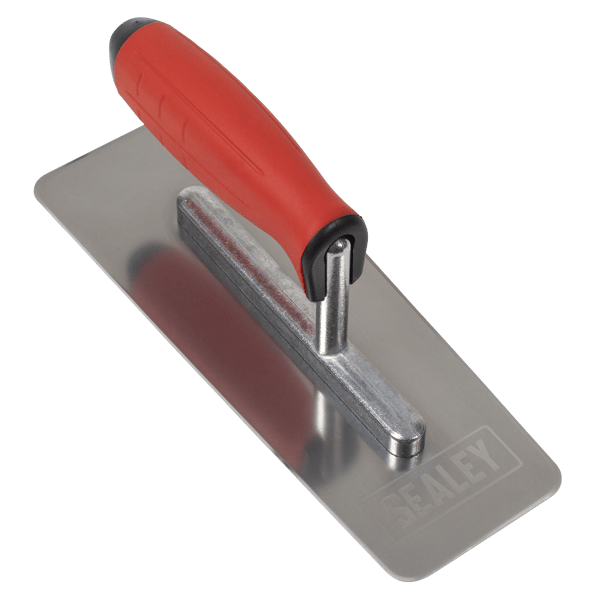 Not yet ratedSealeyStainless Steel Venetian Trowel with Rubber Handle 240mm
- 240 mm stainless steel blade
- Rounded corners, bent edges
- Two-component rubber handle
€37.99€38.38€30.89€31.20
Blade shape matters more than you'd think. A brick trowel's wide heel lets you butter a full bed joint in one pass. Pointing trowels are narrow enough to work into raked-out mortar without fouling the brick face. Margin trowels fit tight spots — window reveals, step risers — where a standard blade won't go. Gauging trowels have a rounded nose so you can scoop and spread filler or fine mortar without dragging lumps.
Stainless won't pit if you leave mortar on it overnight, but it's slightly softer than carbon steel, so the edge rounds faster on abrasive renders. Wipe it down between mixes and the blade will hold its shape longer. Rubber handles absorb less shock than wood when you're tapping bricks level, but they can split if you use the heel as a hammer — keep a lump hammer for that.
Blade length and width trade off. A 180 mm brick trowel carries more mortar per load but needs more wrist strength to flick cleanly. A 120 mm margin trowel is lighter and more controlled for small repairs. If you're doing a full wall, the bigger blade saves trips to the board; for patching or detail work, the smaller one gives you precision without the weight.