
Hi. What are you looking for? Tell us what you need and we'll get back to you.
Tool Kits
Tool kits bundle the gear for a job or a set of tasks into one case. Formats range from hand-tool sets—sockets, spanners, hex keys—through to cordless power-tool platforms with batteries and a charger. The advantage is completeness and organisation; the trade-off is that you're locked into what's in the box. If you already own compatible batteries or only need half the tools, buying individually often makes more sense.
Showing all 46 results
-
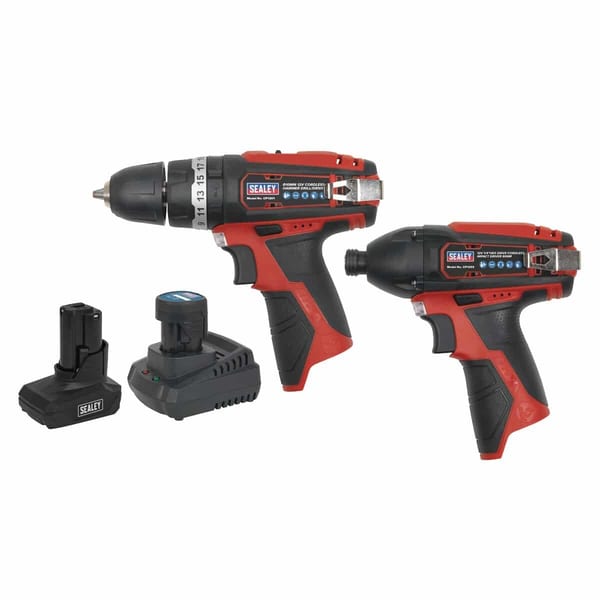 Not yet ratedSealey2 x SV12 Series Cordless Power Tool Kit 12V - 2 Batteries
- 12V lithium-ion batteries
- Combi drill + impact driver
- 2 batteries (12Ah, 4Ah)
€334.81€338.19€272.20€274.95 -
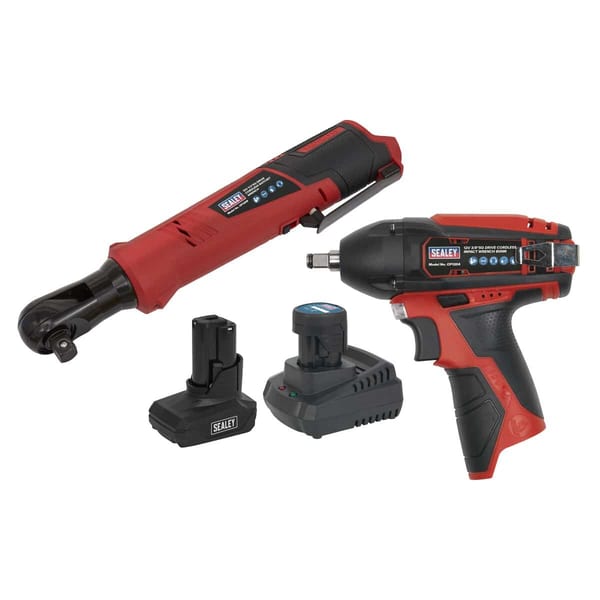 Not yet ratedSealey2 x SV12 Series Cordless Power Tool Kit 12V - 2 Batteries
- 12V lithium-ion batteries
€456.58€461.19€371.20€374.95 -
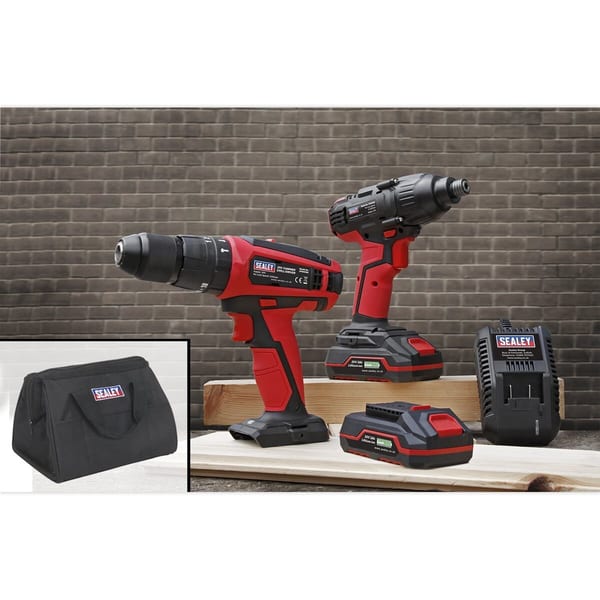 Not yet ratedSealey2 x SV20 Series Cordless Power Tool Kit 20V - 2 Batteries
- 2Ah + 4Ah batteries included
- Fast charge 20V charger
- Canvas storage bag
€360.69€364.33€293.24€296.20 -
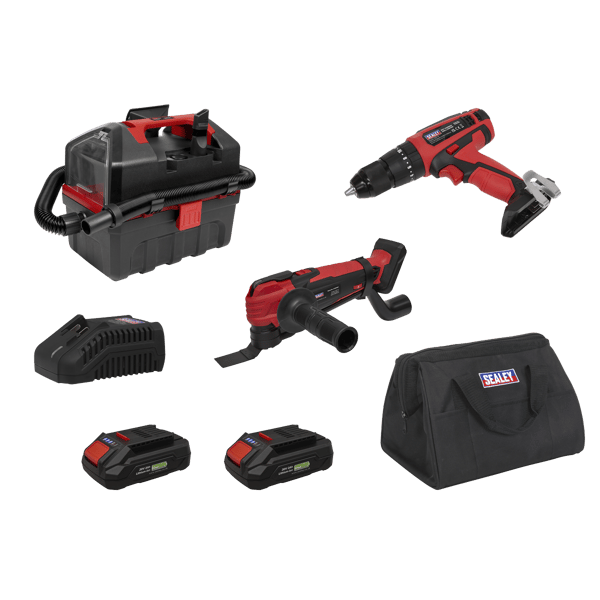 Not yet ratedSealey3 x SV20 Series Cordless Power Tool Vac Kit 20V - 2 Batteries
- SV20 Series 20V cordless kit
- Combi drill, multi-tool, vacuum
- 2× 2Ah batteries + fast charger
€415.48€419.68€337.79€341.20 -
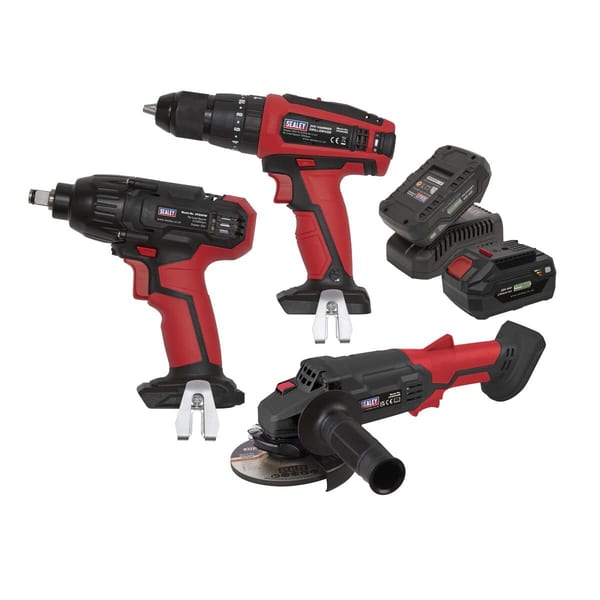 Not yet ratedSealey3 x SV20 Series Cordless Tool Combo Kit 20V - 2 Batteries
- 3 tools + 2 batteries + charger
- 115mm angle grinder, 20V system
- Composite housing, soft grip
€456.58€461.19€371.20€374.95 -
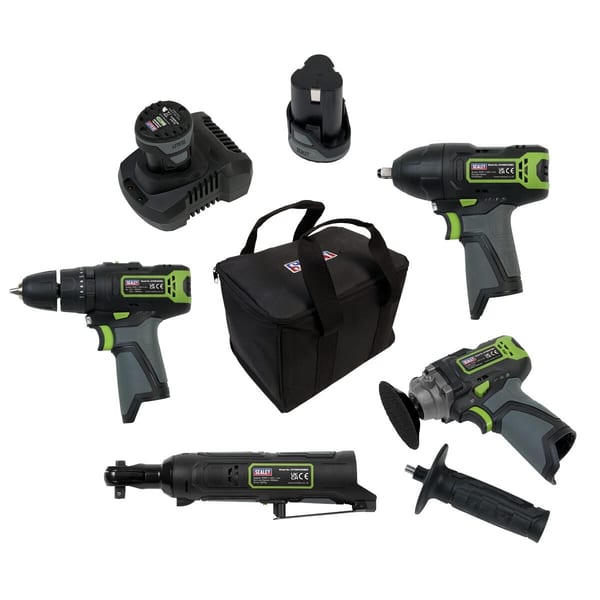 Not yet ratedSealey4 x SV10.8 Series Cordless Power Tool Kit 10.8V - 2 Batteries
- 4-piece tool kit + 2 batteries
- Fast mains charger included
€350.03€353.56€284.58€287.45 -
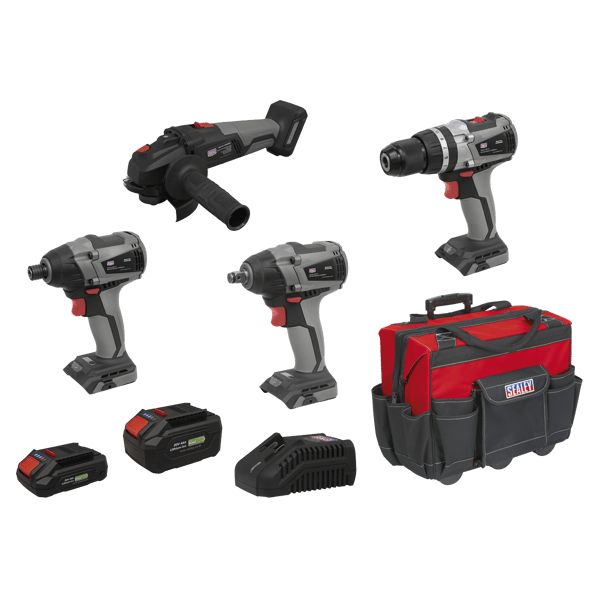 Not yet ratedPremier4 x SV20 Series Cordless Brushless Power Tool Kit 20V - 2 Batteries
- 20V brushless motors
- Composite housing, soft grip
€821.89€830.19€668.20€674.95 -
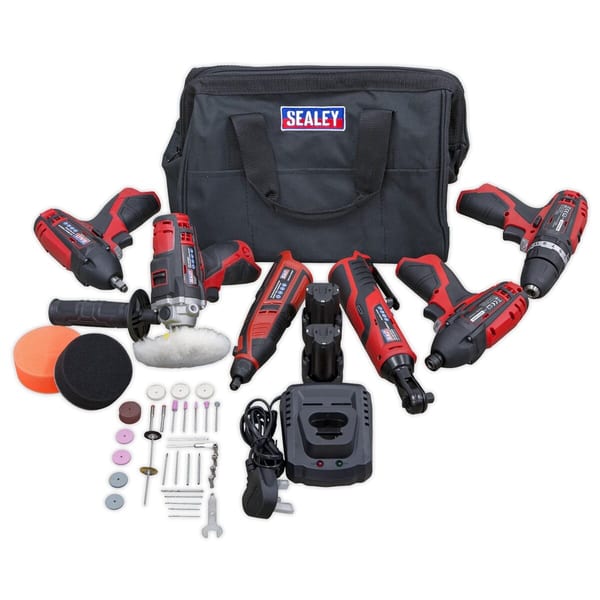 Not yet ratedSealey6 x SV12 Series Cordless Power Tool Kit 12V - 2 Batteries
- 6 tools + 2 batteries + charger
- 12V lithium-ion batteries
- Ergonomic composite, soft grip
€639.23€645.69€519.70€524.95 -
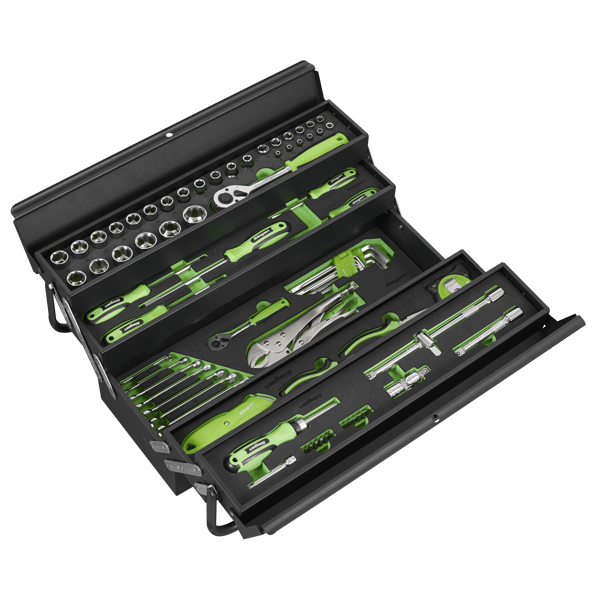 Not yet ratedSiegen ToolsCantilever Toolbox with 86pc Tool Kit
- 1/4" + 1/2" Sq drive sockets
- Soft grip handles, 12.1 kg
€357.63€361.25€290.76€293.70 -
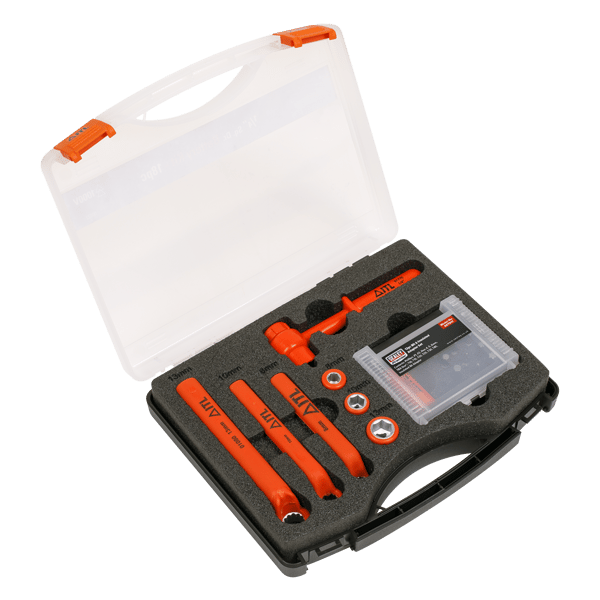 Not yet ratedPremierHybrid & Electric Vehicle Battery Tool Kit 19pc
- 1500V DC / 1000V AC protection
€418.52€422.75€340.26€343.70 -
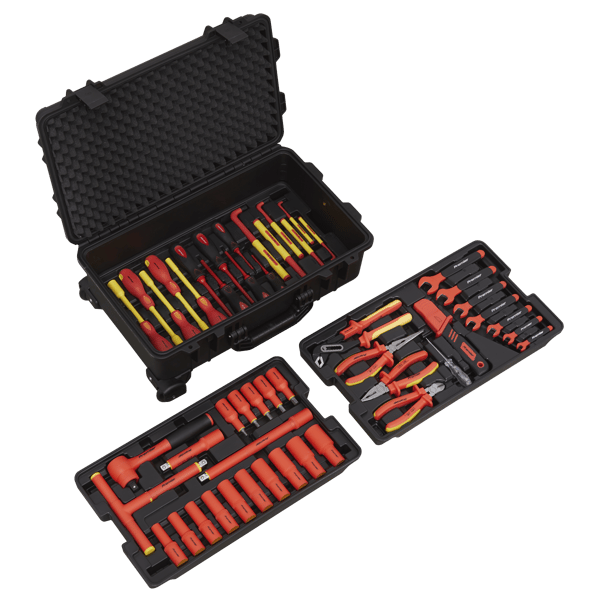 Not yet ratedPremierInsulated Tool Kit 1/2"Sq Drive 1000V 49pc
- 49-piece 1/2" sq drive kit
- VDE + EN 60900, 1000V AC rated
- 45-tooth ratchet, quick release
€1,065.43€1,076.19€866.20€874.95 -
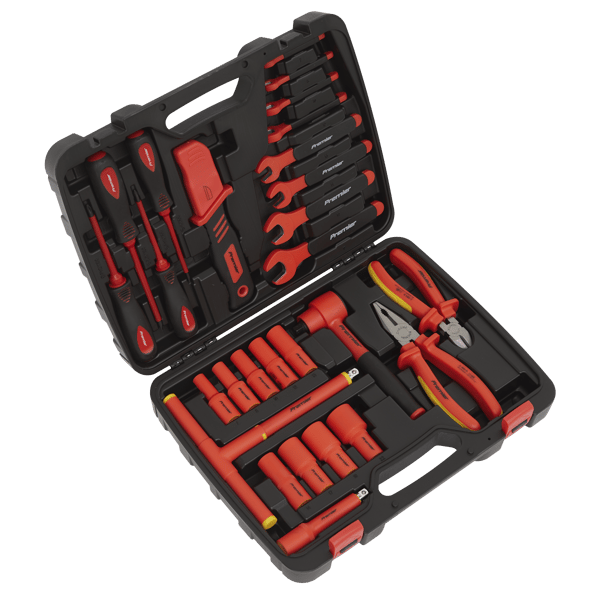 Not yet ratedPremierInsulated Tool Kit 1000V 27pc - VDE Approved
- Chrome Vanadium steel, hardened
€532.69€538.06€433.08€437.45 -
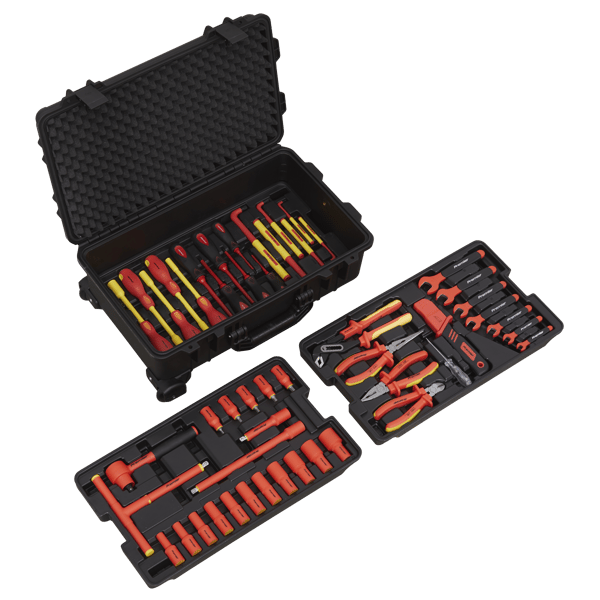 Not yet ratedPremierInsulated Tool Kit 3/8"Sq Drive 1000V 50pc - VDE Approved
- 50-piece kit, 3/8" Sq drive
€1,065.43€1,076.19€866.20€874.95 -
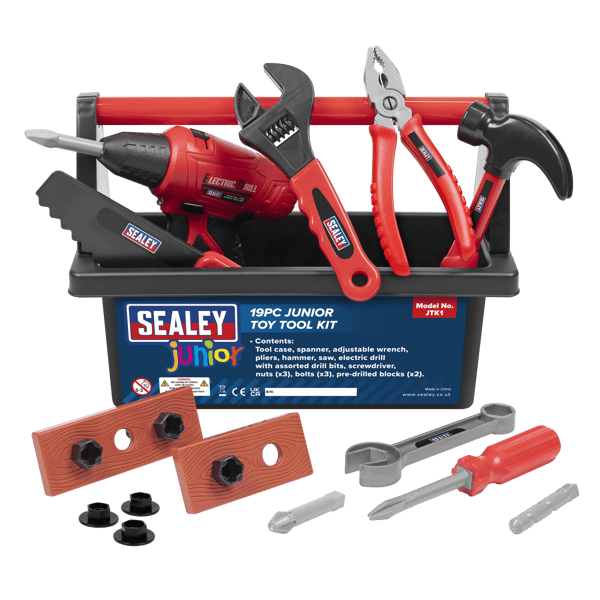 Not yet ratedSealeyJunior Toy Tool Set 19pc
- 19-piece tool set, ages 3+
- Battery drill, working light
- Includes tool case
€39.52€39.91€32.13€32.45 -
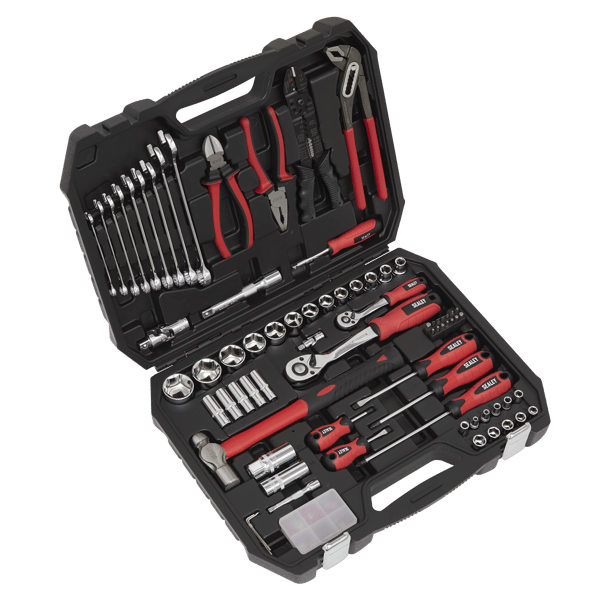 Not yet ratedSealeyMechanic's Tool Kit 100pc
- Storage case 465 x 375 x 90mm
€197.82€199.81€160.83€162.45 -
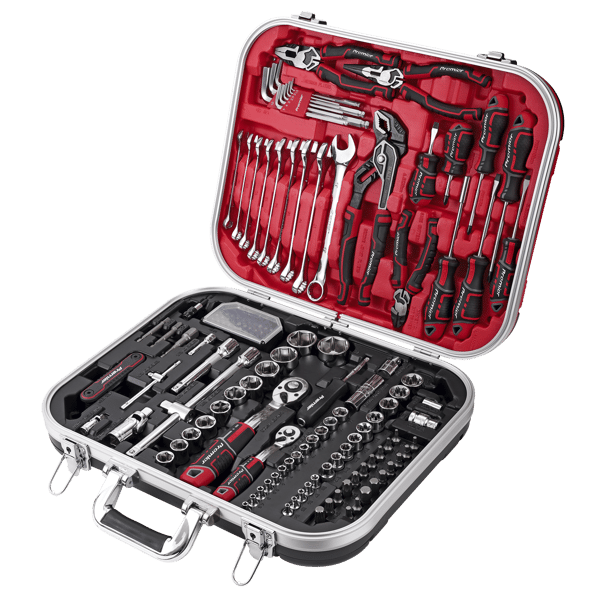 Not yet ratedPremierMechanic's Tool Kit 144pc
- 144-piece set, 3 drive sizes
- 72-tooth ratchet wrenches
- Aluminium case, lockable catches
€350.03€353.56€284.58€287.45 -
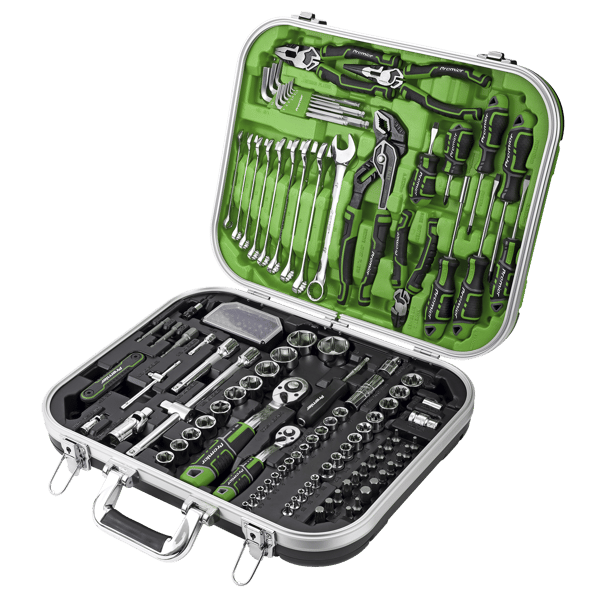 Not yet ratedPremierMechanic's Tool Kit 144pc - Hi-Vis Green
- 72-tooth ratchet wrenches
- Aluminium case, lockable catches
- 9.5 kg
€350.03€353.56€284.58€287.45 -
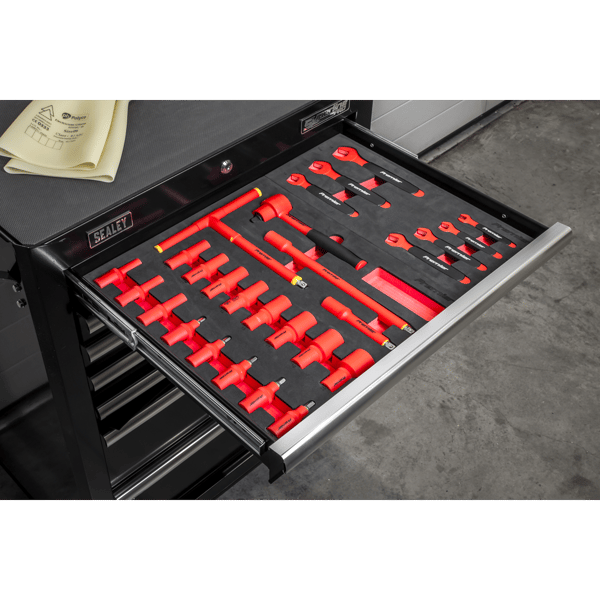 Not yet ratedSealeyRollcab 7 Drawer with Insulated Tool Kit 63pc
- Includes 1kV high voltage tester
€2,009.14€2,029.44€1,633.45€1,649.95 -
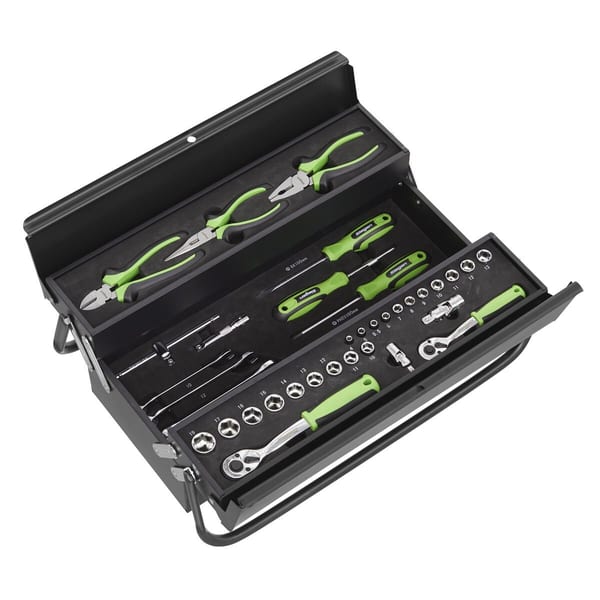 Not yet ratedSiegen ToolsSiegen Cantilever Toolbox with Tool Kit 70pc
- 70-piece kit, 1/4" & 3/8" drive
€197.82€199.81€160.83€162.45 -
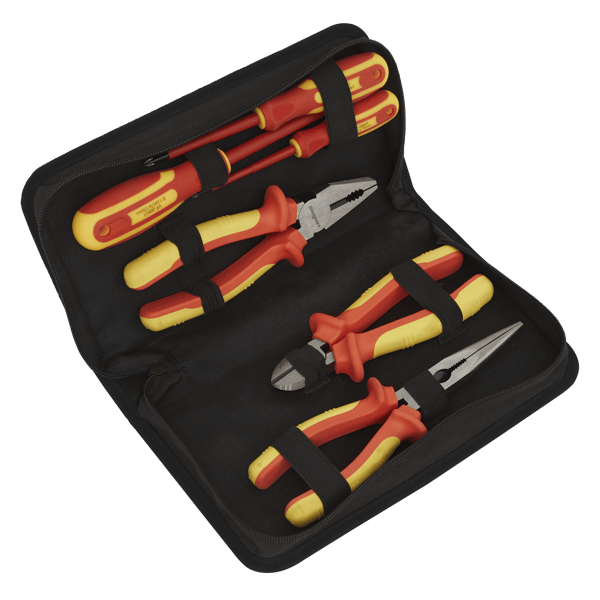 Not yet ratedSiegen ToolsSiegen Electrical Tool Kit 6pc - VDE Approved
- Chrome Vanadium steel, hardened
€98.88€99.88€80.39€81.20 -
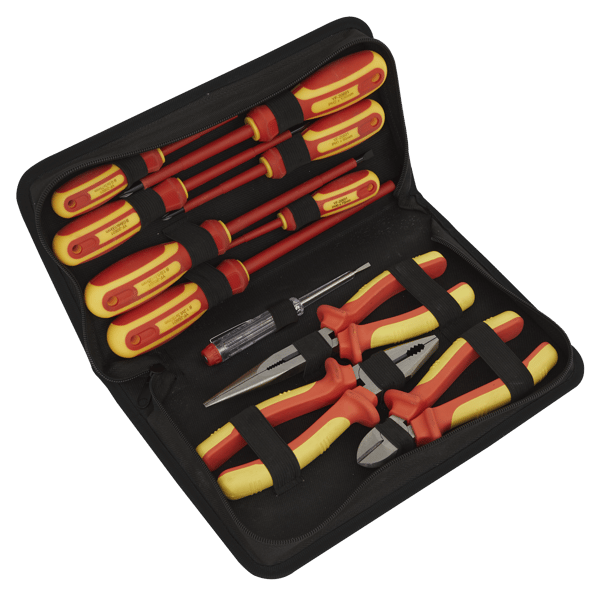 Not yet ratedSiegen ToolsSiegen Electrical VDE Tool Kit 11pc
- Chrome Vanadium steel, hardened
€121.71€122.94€98.95€99.95 -
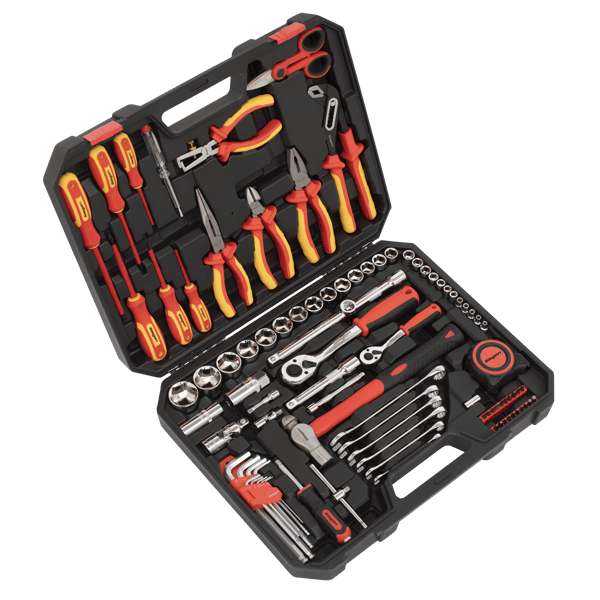 Not yet ratedSiegen ToolsSiegen Electrician's Tool Kit 90pc
- 1/4" & 1/2" Sq drive sockets
€350.03€353.56€284.58€287.45 -
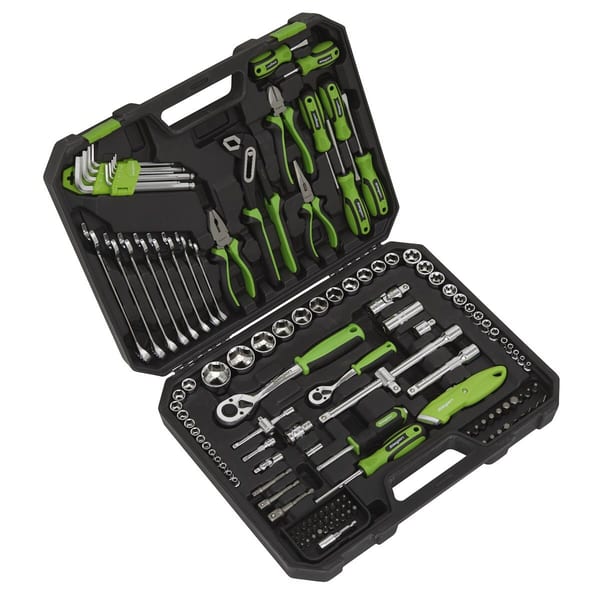 Not yet ratedSiegen ToolsSiegen Mechanic's Tool Kit 135pc
- 135-piece kit
- 1/4" + 1/2" Sq Drive ratchets
- Soft grip handles
€258.71€261.31€210.33€212.45 -
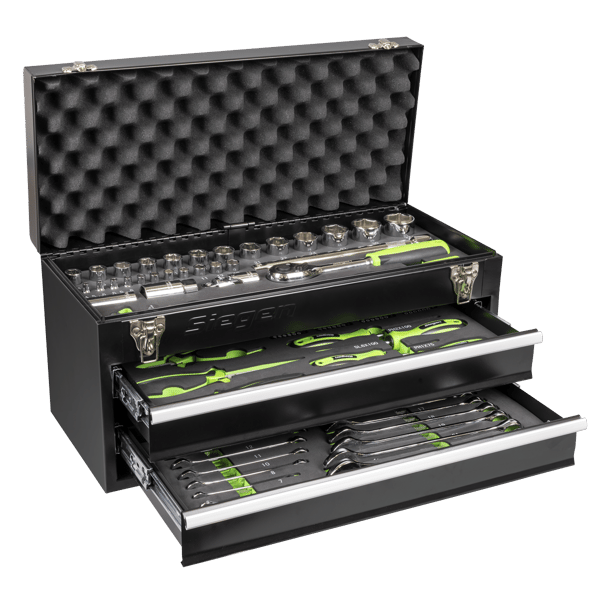 Not yet ratedSiegen ToolsSiegen Portable Tool Chest 2 Drawer with Tool Kit 90pc
- 90pc tool kit, 2 drawer chest
- 1/4" + 1/2" sockets, ratchets
€365.25€368.94€296.95€299.95 -
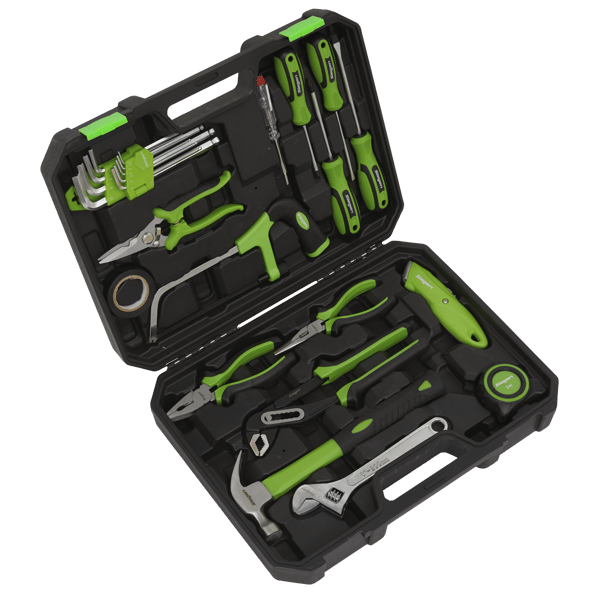 Not yet ratedSiegen ToolsSiegen Tool Kit 24pc
- 24-piece kit in storage case
- Chrome Vanadium steel shafts
€114.09€115.25€92.76€93.70 -
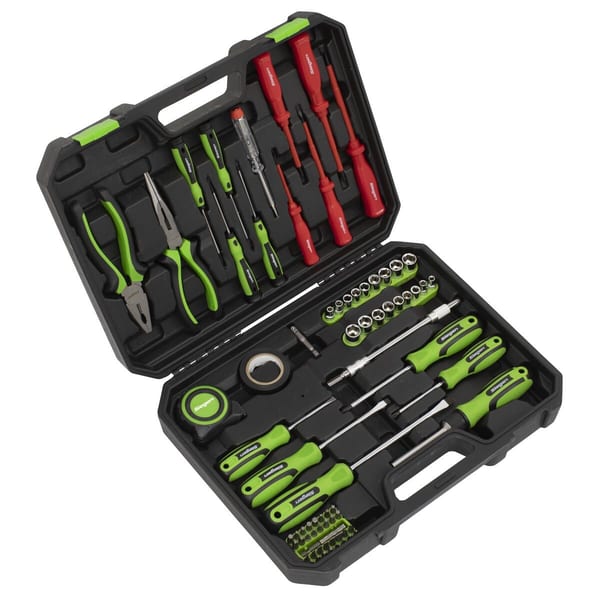 Not yet ratedSiegen ToolsSiegen Tool Kit 73pc
- 73-piece tool kit
- Chrome Vanadium steel shafts
- WallDrive® sockets included
€98.88€99.88€80.39€81.20 -
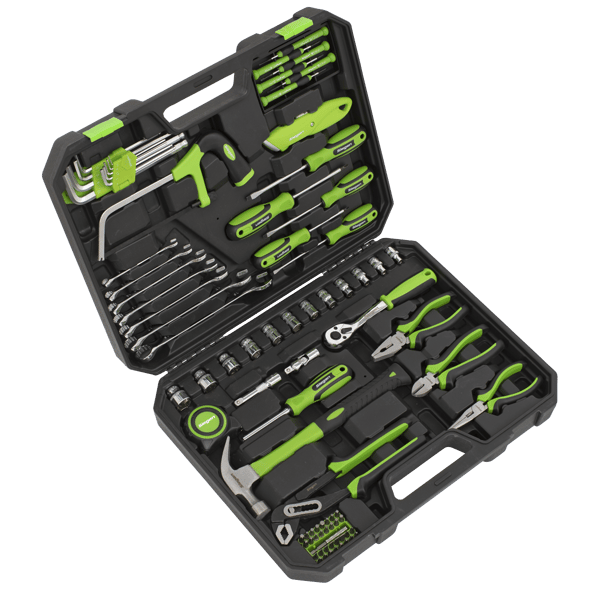 Not yet ratedSiegen ToolsSiegen Tool Kit 84pc
- 84-piece tool kit, 3/8" drive
- Soft grip handles
- Supplied in storage case
€213.04€215.19€173.20€174.95 -
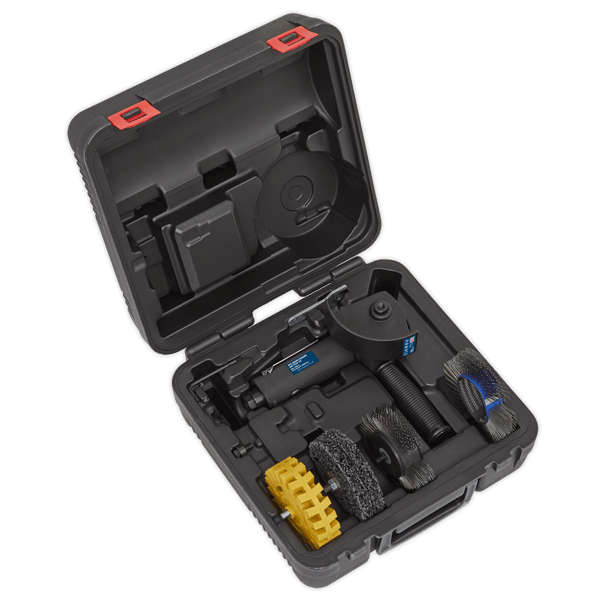 Not yet ratedPremierSmart Eraser Air Tool Kit 4pc
- Dual handles for control
- 3600 rpm, 90 psi operating
- 1/4" BSP inlet, storage case
€517.46€522.69€420.70€424.95 -
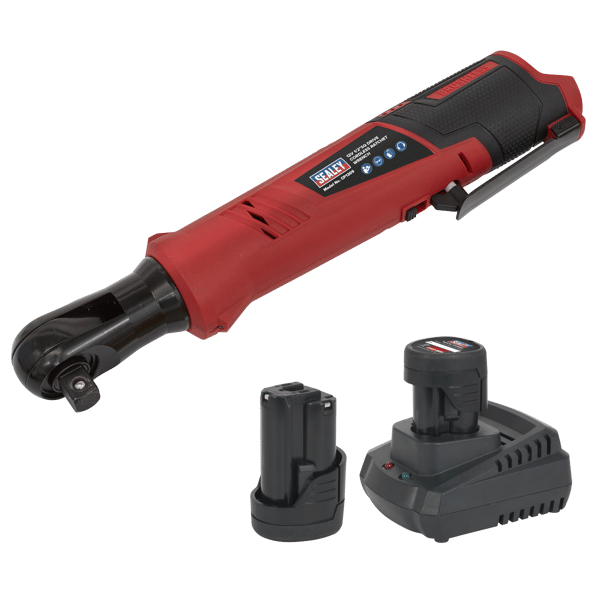 Not yet ratedSealeySV12 Series 1/2"Sq Drive Cordless Ratchet Wrench Kit 12V 2Ah - 2 Batteries
- 1/2 in. sq drive, 80Nm torque
- LED worklight, battery indicator
- Includes charger, canvas bag
€333.28€336.65€270.96€273.70 -
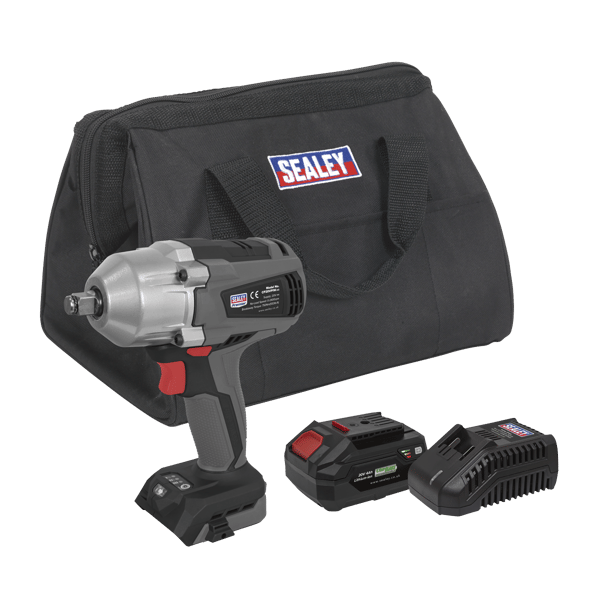 Not yet ratedPremierSV20 Series 1/2"Sq Drive Brushless Cordless Impact Wrench Kit 20V 4Ah
- 1/2 in. square drive
- Up to 700 Nm breakaway torque
- Brushless motor, 20V 4Ah
€383.51€387.39€311.80€314.95 -
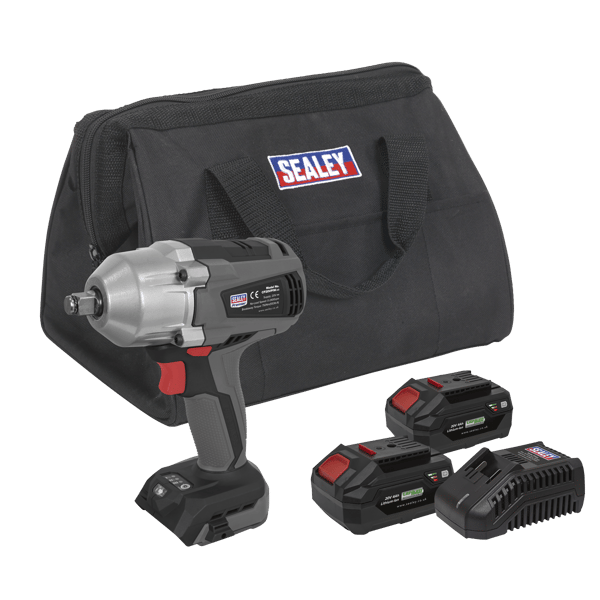 Not yet ratedPremierSV20 Series 1/2"Sq Drive Brushless Cordless Impact Wrench Kit 20V 4Ah - 2 Batteries
- 1/2" sq drive, 20V brushless
- Up to 700 Nm torque
- 2× 4Ah batteries + charger
€477.89€482.71€388.53€392.45 -
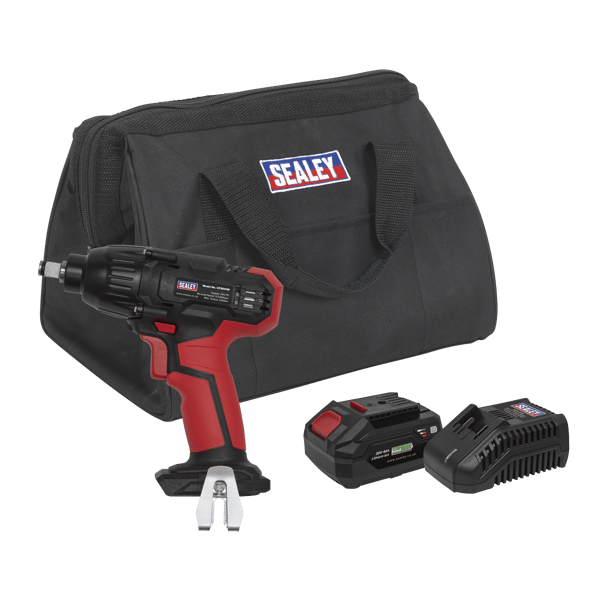 Not yet ratedSealeySV20 Series 1/2"Sq Drive Impact Wrench Kit 20V 4Ah
- 1/2" square drive
- 20V 4Ah Li-ion battery
- 380Nm breakaway torque
€235.86€238.25€191.76€193.70 -
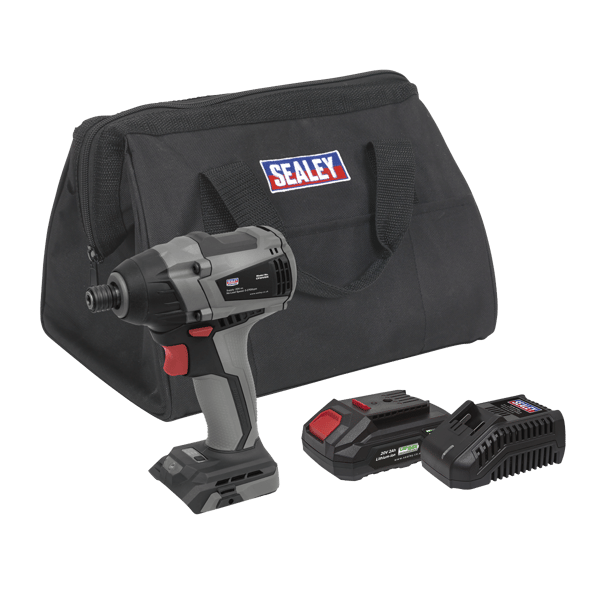 Not yet ratedPremierSV20 Series 1/4"Hex Brushless Cordless Impact Driver Kit 20V 2Ah
- Brushless motor, low maintenance
- 1/4" hex quick release chuck
- 20V 2Ah lithium-ion battery
€251.09€253.63€204.14€206.20 -
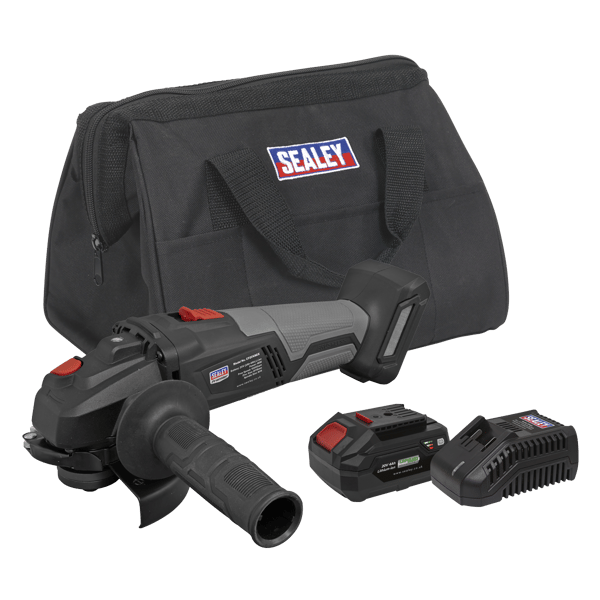 Not yet ratedPremierSV20 Series 115mm Brushless Cordless Angle Grinder Kit 20V 4Ah
- 115mm disc, 20V 4Ah Li-ion
- Brushless motor, 700W, 10000rpm
€330.24€333.58€268.49€271.20 -
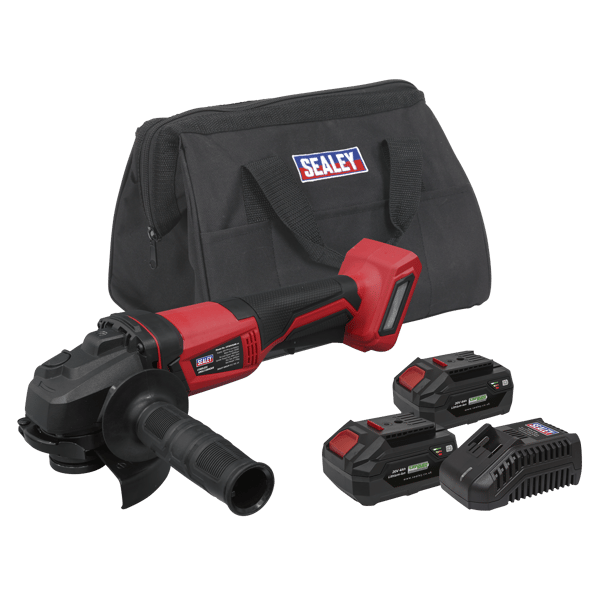 Not yet ratedSealeySV20 Series 115mm Cordless Angle Grinder Kit 20V 4Ah - 2 Batteries
- 115mm disc, 20V, 4Ah × 2
€356.12€359.71€289.53€292.45 -
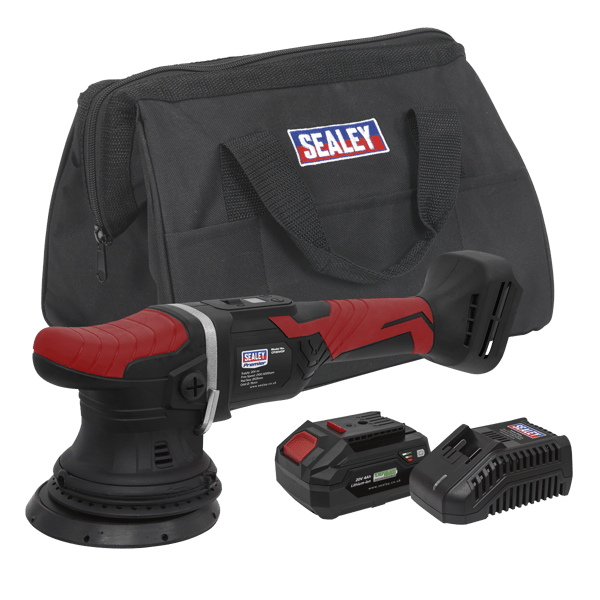 Not yet ratedPremierSV20 Series 125mm Cordless Orbital Polisher Kit 20V 4Ah
- 125mm orbital polisher, 20V 4Ah
- Variable speed 2100-5000 rpm
- 15mm orbit, spindle lock
€337.86€341.26€274.68€277.45 -
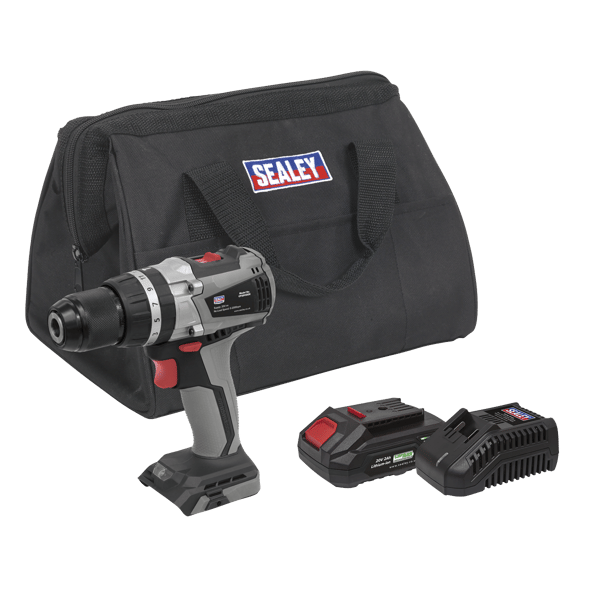 Not yet ratedPremierSV20 Series 13mm Brushless Cordless Combi Drill Kit 20V 2Ah
- Brushless motor, 20V 2Ah Li-ion
€261.74€264.39€212.80€214.95 -
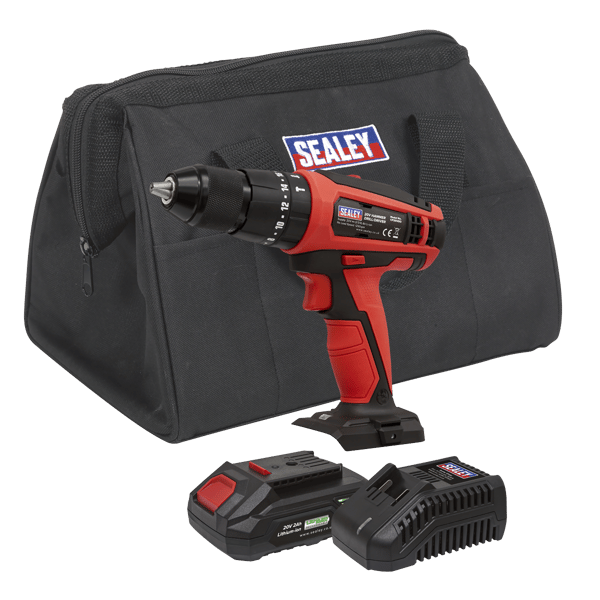 Not yet ratedSealeySV20 Series 13mm Cordless Combi Drill Kit 20V 2Ah
- 13mm keyless chuck, 2-13mm
- 20V 2Ah Li-ion battery + charger
- Built-in LED worklight
€200.86€202.89€163.30€164.95 -
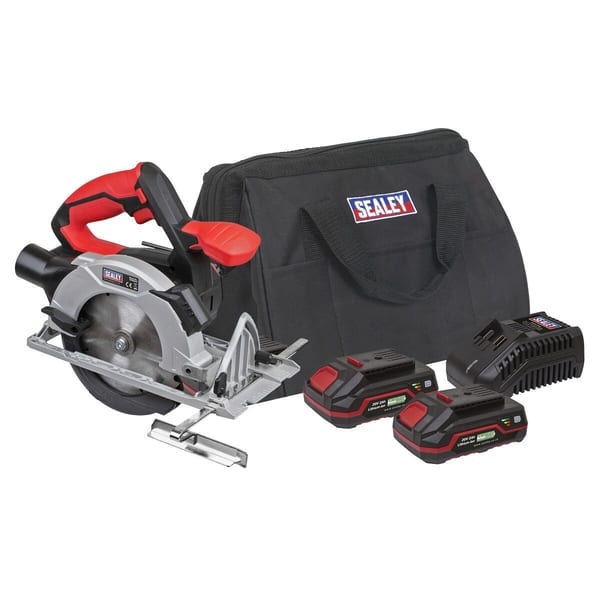 Not yet ratedSealeySV20 Series 150mm Cordless Circular Saw Kit 20V - 2 Batteries
- 150mm dia. saw blade included
- Built-in laser guide
- Toolless angle/depth adjustment
€327.19€330.50€266.01€268.70 -
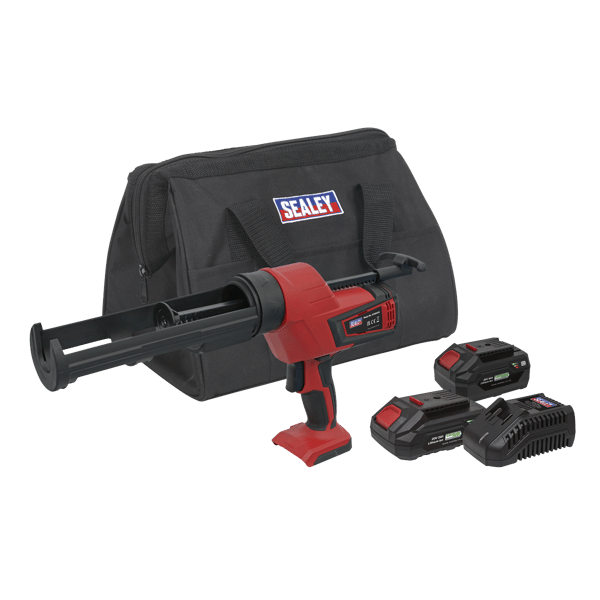 Not yet ratedSealeySV20 Series 310ml Cordless Caulking Gun Kit 20V - 2 Batteries
- 20V cordless, 310ml cartridge
- 6-speed variable flow rate
- Composite housing, soft grip
€360.69€364.33€293.24€296.20 -
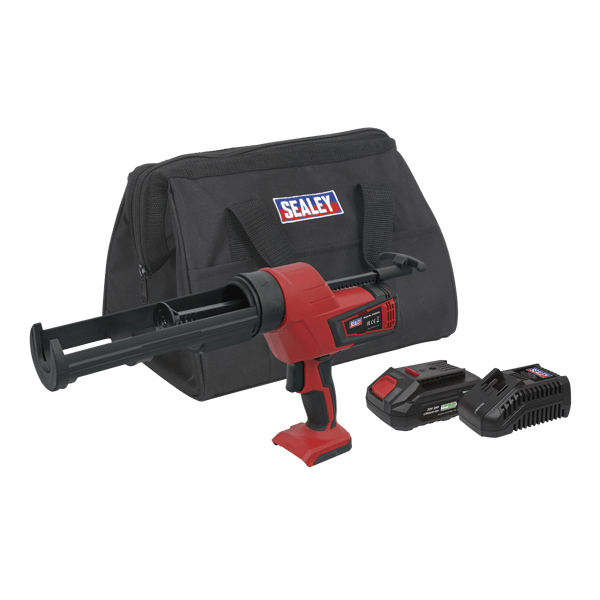 Not yet ratedSealeySV20 Series 310ml Cordless Caulking Gun Kit 20V 2Ah
- 20V cordless, 310ml cartridge
- 6-speed variable flow rate
- Composite housing, soft grip
€263.63€269.00€214.33€218.70 -
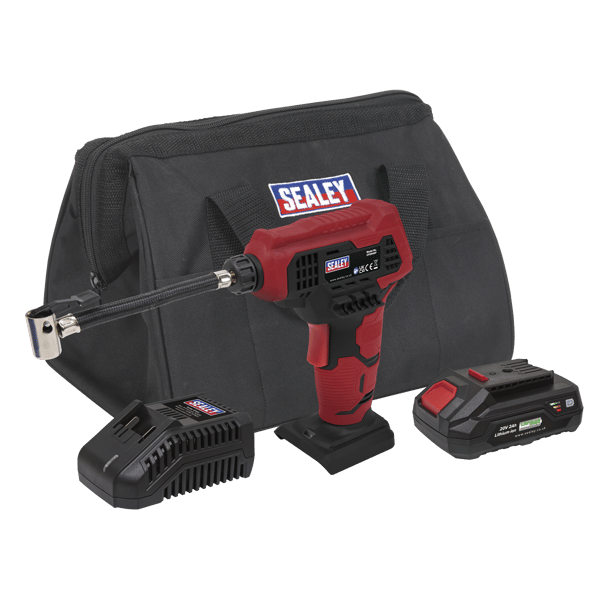 Not yet ratedSealeySV20 Series Cordless Tyre Inflator Kit 20V 2Ah
- 20V 2Ah Li-ion battery + charger
- Max 7 bar / 100 psi
- 150 mm hose, 5 adaptors included
€170.42€172.14€138.55€139.95 -
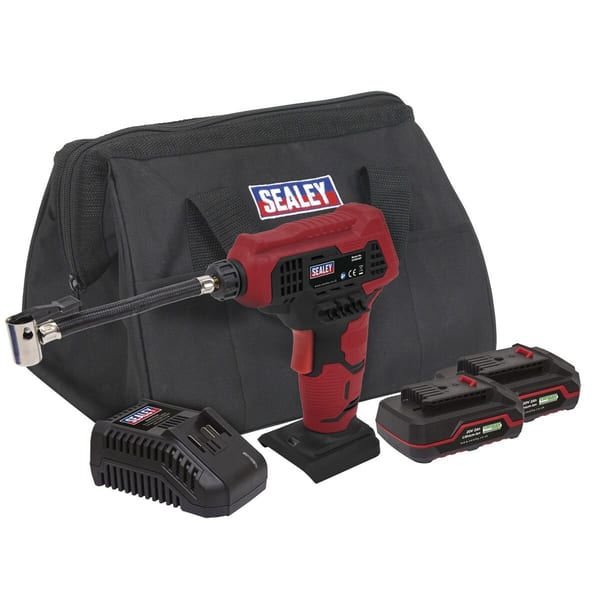 Not yet ratedSealeySV20 Series Cordless Tyre Inflator Kit 20V 2Ah - 2 Batteries
- 20V 2Ah Li-ion, 2 batteries
- 7 bar/100 psi max pressure
- 150 mm hose + 5 adaptors
€225.21€227.49€183.10€184.95 -
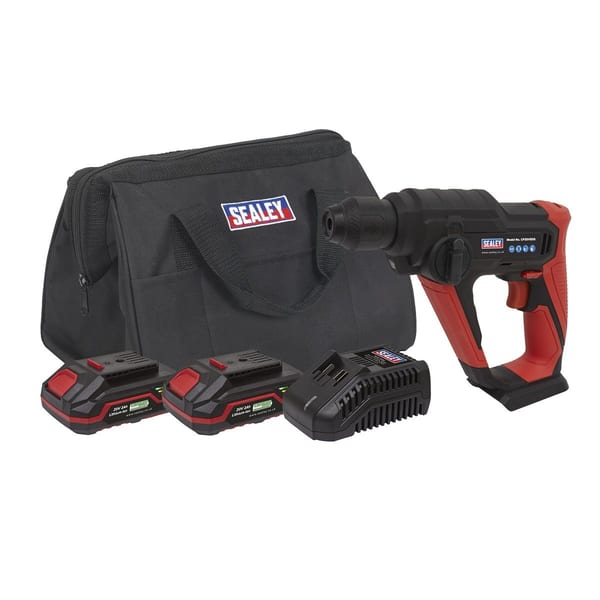 Not yet ratedSealeySV20 Series SDS Plus Cordless Rotary Hammer Drill Kit 20V - 2 Batteries
- SDS Plus chuck
- 20V, 2Ah Li-ion battery
- Rotary + hammer modes
€299.80€302.83€243.74€246.20 -
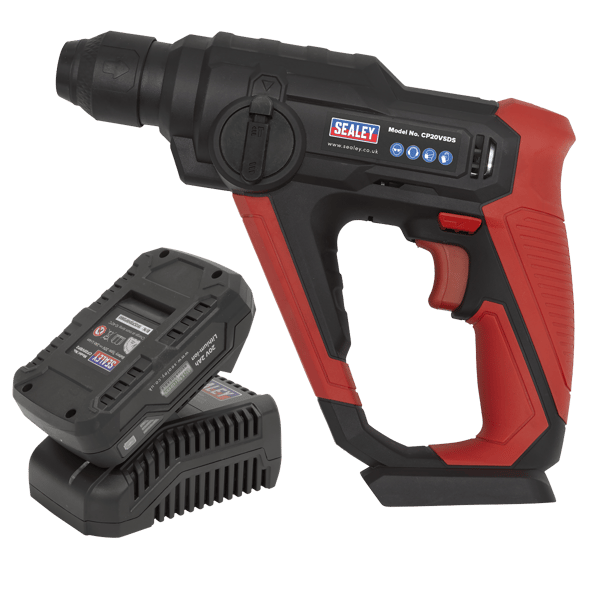 Not yet ratedSealeySV20 Series SDS Plus Cordless Rotary Hammer Drill Kit 20V 2Ah
- SDS Plus chuck
- 20V, 2Ah battery + charger
- Rotary + hammer drilling modes
€205.42€207.50€167.01€168.70 -
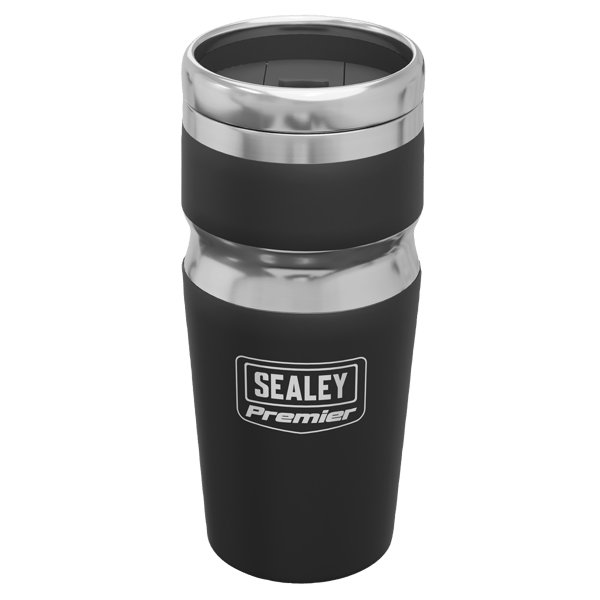 Not yet ratedPremierTravel Mug with Tool Kit
- 470ml stainless steel vacuum mug
- S2 steel bits, colour-coded
€53.21€53.75€43.26€43.70
Most kits fall into three categories: general mechanics' sets, which combine metric and AF sockets, ratchets, drivers, and pliers in a blow-mould case; specialised sets, like the VDE insulated kit for live electrical work, which bundles certified tools with the rating stamped on every piece; and cordless platform kits, built around a battery system—usually 12V for ratchets and drivers, 20V for higher-demand tools like impact wrenches or saws. The battery voltage dictates torque and run time, not interchangeability—SV12 and SV20 cells don't cross-fit.
When choosing a mechanics' set, check the socket range—shallow sockets only, or deep wells included—and whether the ratchet has a quick-release for the socket or a friction fit. A 72-tooth ratchet needs less swing arc than a 45-tooth, which matters in tight engine bays. For cordless kits, note the amp-hour rating on the batteries: 2Ah cells are lighter but drain faster under sustained load; 4Ah cells add weight but keep an impact wrench or polisher running longer between charges. If the kit includes two batteries, you can rotate them; if it's a single-battery kit, budget for a spare unless the tool only sees light use.
Air-tool kits, like the Smart Eraser set, are task-specific—prep tools for bodywork rather than general workshop use. The four-piece format typically covers sanding, cutting, and surface prep at different speeds; you'll need a compressor that holds pressure under continuous draw, usually 6 CFM or higher at 90 PSI, or the tools will stall mid-cut. Insulated kits carry a 1000V rating and VDE approval, meaning each tool has been tested to that standard; check the certification mark is present, because a kit labelled insulated without third-party approval isn't safe for live work.