
Hi. What are you looking for? Tell us what you need and we'll get back to you.
Ratchet Wrenches
Air ratchet wrenches work where bulkier impact guns won't fit — engine bays, behind panels, subframes, tight chassis work. Pneumatic power gives continuous rotation at lower torque, so you can run fasteners down quickly without the hammering. Pick drive size by socket set and fastener range: 1/4" for small assembly work, 3/8" for general automotive and machinery, 1/2" for heavier fixings where space is limited.
Showing 1–48 of 133 results
-
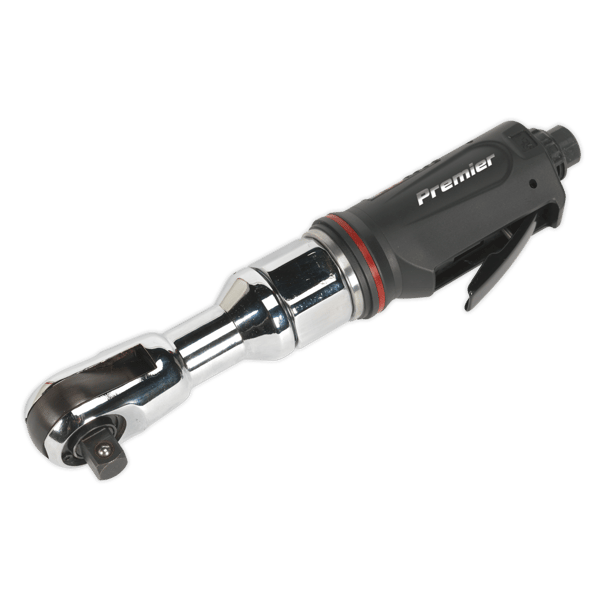 Not yet ratedPremierAir Ratchet Wrench 1/2"Sq Drive
- 1/2 in. Sq drive
- Max torque 50 lb.ft (68 Nm)
- Adjustable 360° exhaust outlet
€121.71€122.94€98.95€99.95 -
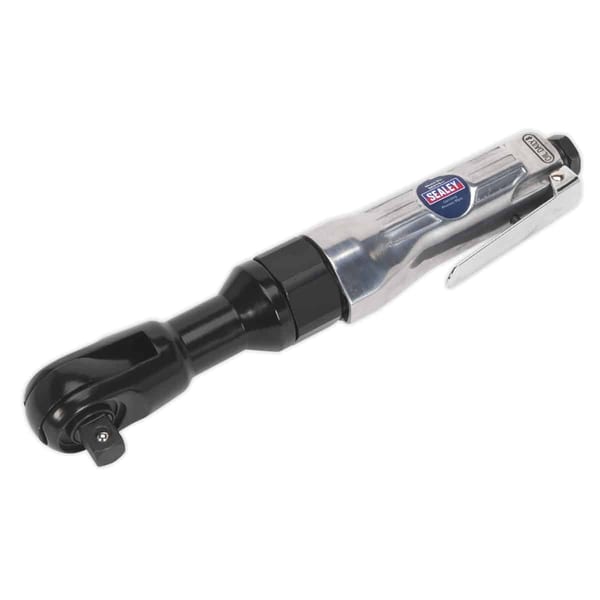 Not yet ratedSealeyAir Ratchet Wrench 1/2"Sq Drive
- 1/2 in. Sq drive
- Max torque 45 lb.ft (61 Nm)
- Hardened steel anvil
€71.48€72.20€58.11€58.70 -
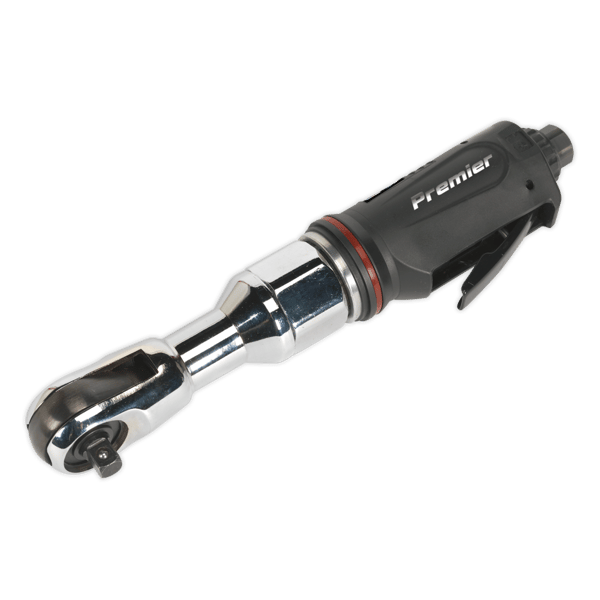 Not yet ratedPremierAir Ratchet Wrench 3/8"Sq Drive
- 3/8 in. square drive
- Aluminium alloy housing
- 360° adjustable exhaust outlet
€121.71€122.94€98.95€99.95 -
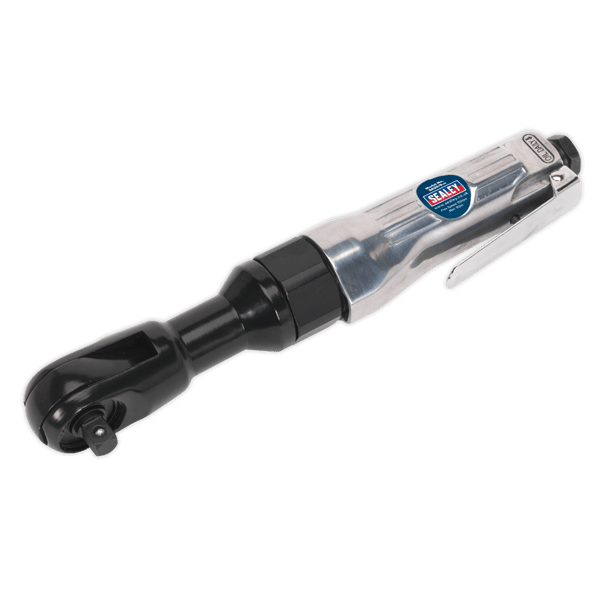 Not yet ratedSealeyAir Ratchet Wrench 3/8"Sq Drive
- 3/8 in. Sq drive
- Max torque 45 lb.ft (61 Nm)
- Hardened steel anvil
€71.48€72.20€58.11€58.70 -
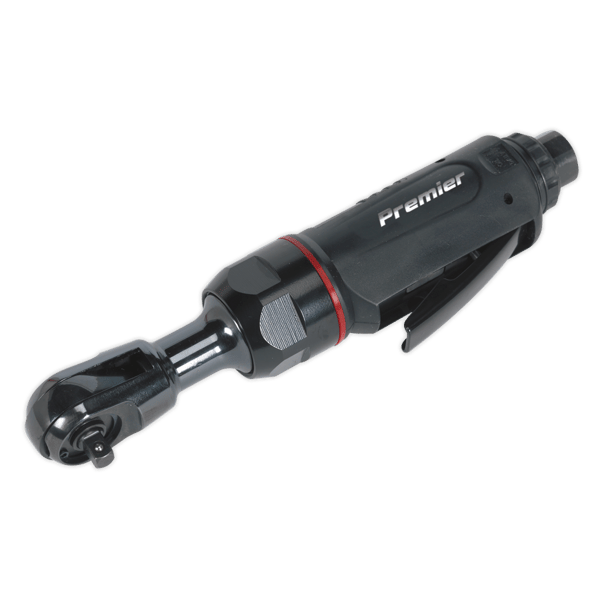 Not yet ratedPremierCompact Air Ratchet Wrench 1/4"Sq Drive
- 1/4" Sq drive
- 250 rpm free speed
- 25 lb.ft (34 Nm) max torque
€129.32€130.63€105.14€106.20 -
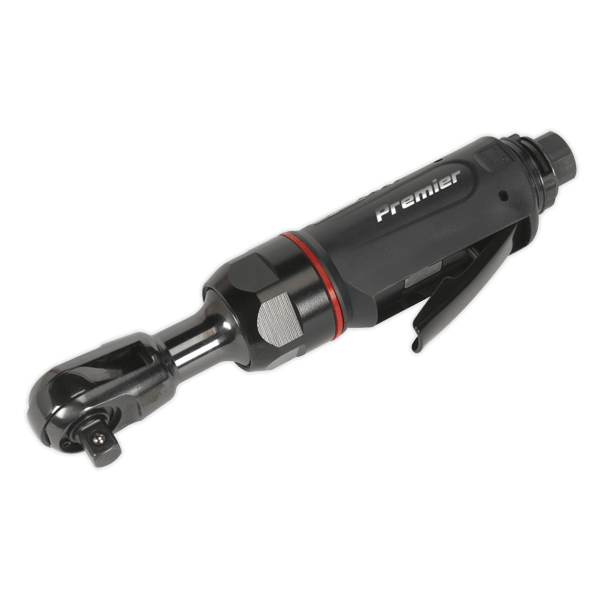 Not yet ratedPremierCompact Air Ratchet Wrench 3/8"Sq Drive
- 3/8" sq drive
- 197 mm length, compact
- Aluminium alloy housing
€129.32€130.63€105.14€106.20 -
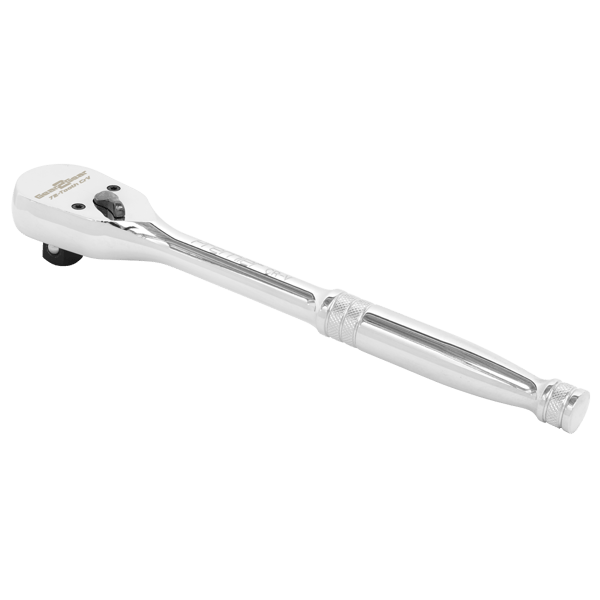 Not yet ratedPremierDust-Free Ratchet Wrench with Flip Reverse 1/2"Sq Drive
- Chrome Vanadium steel
- 72-tooth gear-to-gear ratchet
- Sealed head, dust-free design
€51.70€52.21€42.03€42.45 -
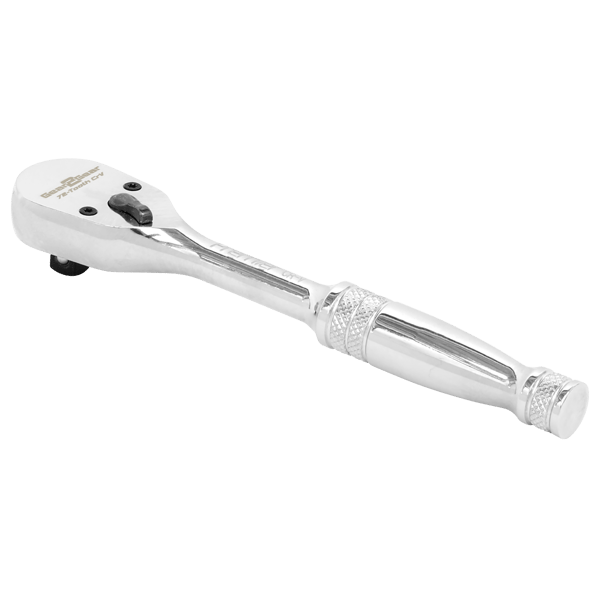 Not yet ratedPremierDust-Free Ratchet Wrench with Flip Reverse 1/4"Sq Drive
- Chrome Vanadium steel
- 72-tooth gear ratchet
- 1/4" Sq drive
€34.94€35.30€28.41€28.70 -
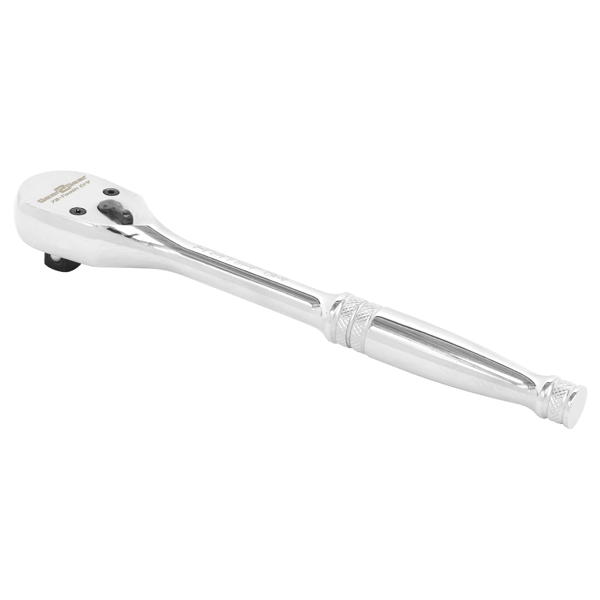 Not yet ratedPremierDust-Free Ratchet Wrench with Flip Reverse 3/8"Sq Drive
- Chrome Vanadium steel
- 72-tooth gear-to-gear ratchet
- Sealed head, dust-free design
€44.08€44.53€35.84€36.20 -
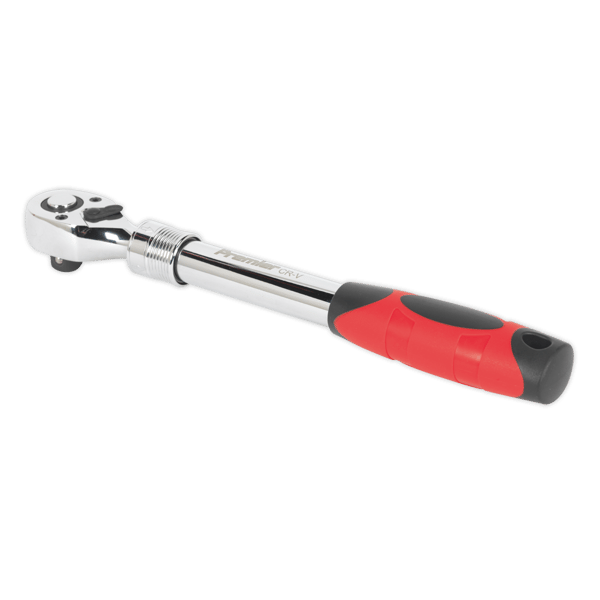 Not yet ratedPremierExtendable Ratchet Wrench 1/2"Sq Drive
- 72-tooth ratchet, flip reverse
€73.00€73.74€59.35€59.95 -
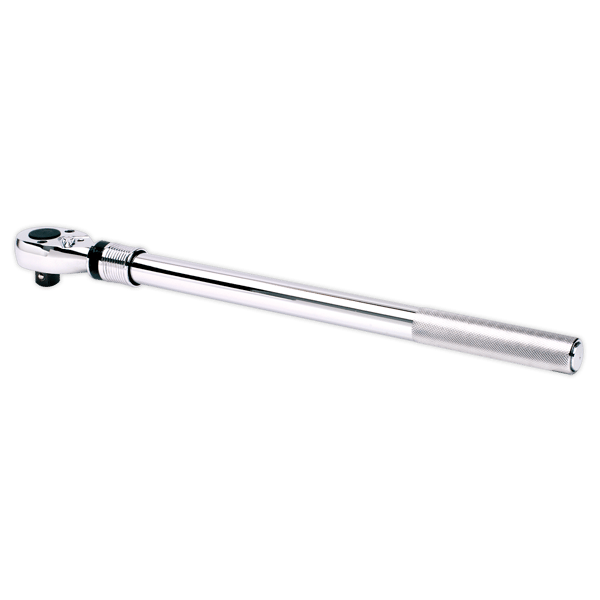 Not yet ratedPremierExtendable Ratchet Wrench 3/4"Sq Drive
- 600-1000 mm, 80 mm increments
- Flip reverse, spring-loaded ball
€304.36€307.44€247.45€249.95 -
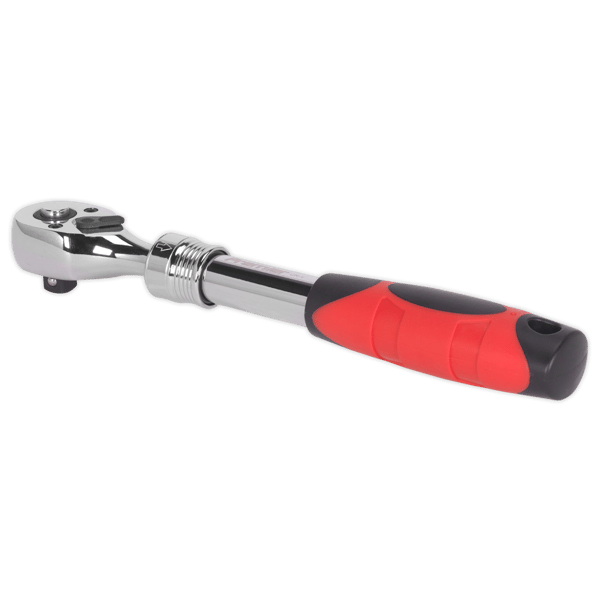 Not yet ratedPremierExtendable Ratchet Wrench 3/8"Sq Drive
- 3/8" sq drive
- 215-315 mm, 25 mm increments
- 72-tooth ratchet
€59.30€59.90€48.21€48.70 -
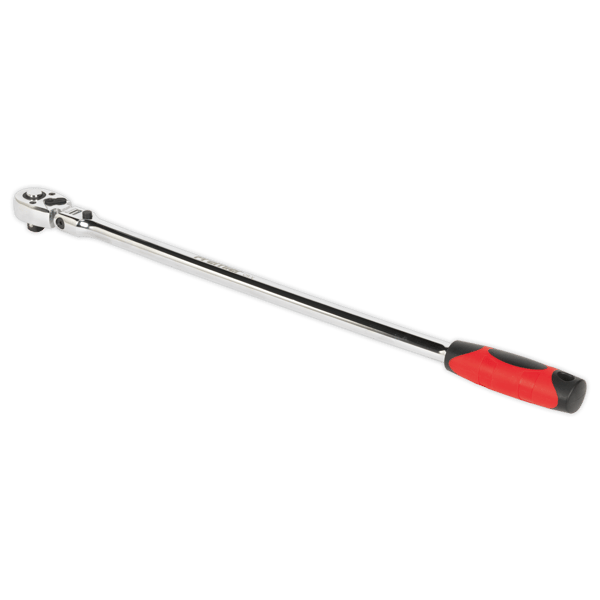 Not yet ratedPremierExtra-Long Flexi-Head Ratchet Wrench 1/2"Sq Drive 600mm
- Chrome Vanadium steel, 72-tooth
- 180° locking flexi-head, 600mm
€114.09€115.25€92.76€93.70 -
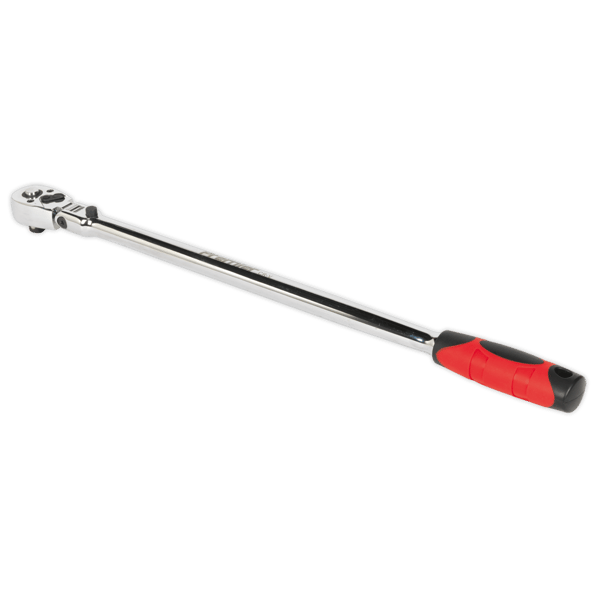 Not yet ratedPremierExtra-Long Flexi-Head Ratchet Wrench 3/8"Sq Drive 455mm
- 3/8" Sq drive, 455mm length
€80.61€81.43€65.54€66.20 -
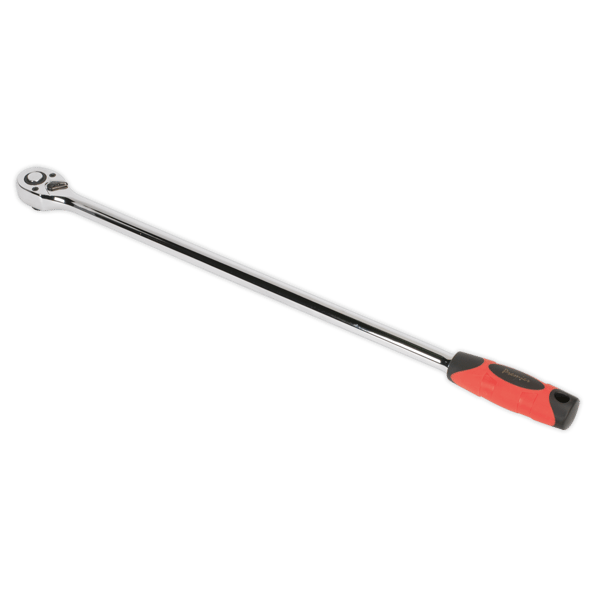 Not yet ratedPremierExtra-Long Ratchet Wrench 1/2"Sq Drive 600mm
- 1/2 in. sq drive, 600 mm length
- 72-tooth pear-head ratchet
€109.53€110.64€89.05€89.95 -
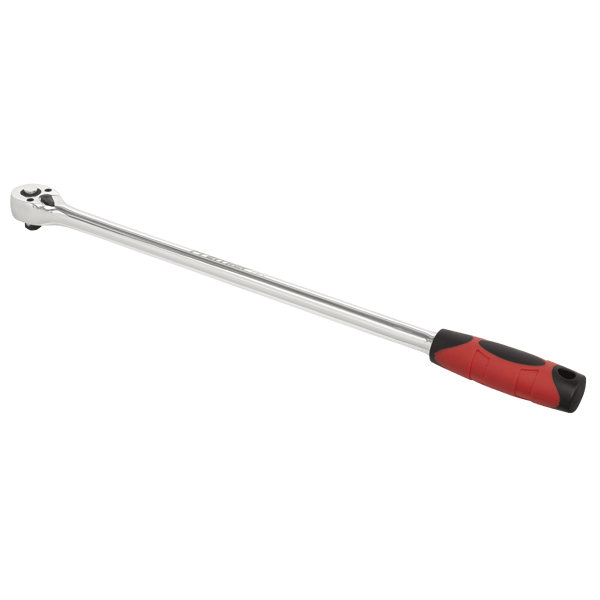 Not yet ratedPremierExtra-Long Ratchet Wrench 3/8"Sq Drive 435mm
- 3/8" Sq drive, 435mm length
- 72-tooth pear-head ratchet
- Chrome Vanadium steel, polished
€76.05€76.81€61.83€62.45 -
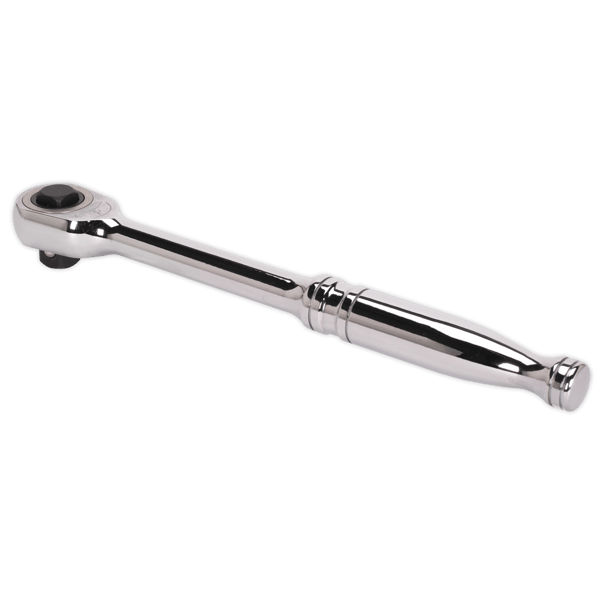 Not yet ratedPremierGearless Ratchet Wrench, Push-Through Reverse 1/2"Sq Drive
- Chrome Vanadium steel
- Gearless, push-through reverse
- 1/2 in. Sq drive, 245 mm
€88.23€89.11€71.73€72.45 -
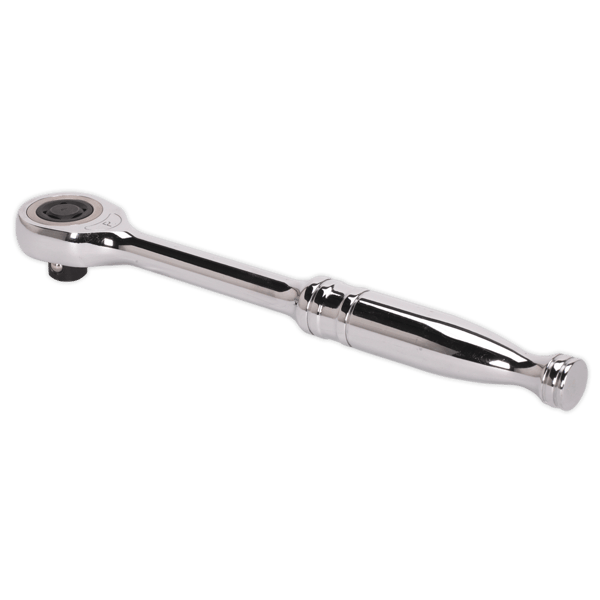 Not yet ratedPremierGearless Ratchet Wrench, Push-Through Reverse 3/8"Sq Drive
- Chrome Vanadium steel
- 3/8" square drive
- Gearless, silent action
€73.00€73.74€59.35€59.95 -
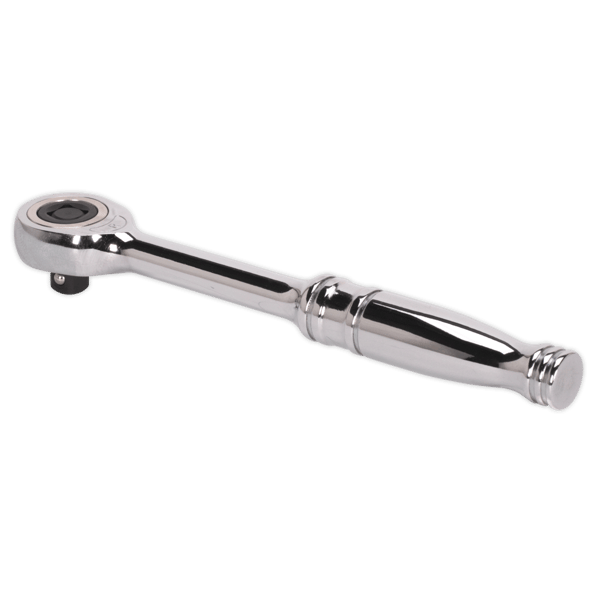 Not yet ratedPremierGearless Ratchet, Push-Through Reverse 1/4"Sq Drive
- Chrome Vanadium steel, hardened
- Gearless, push-through reverse
- 1/4 in. Sq drive, 125 mm
€57.79€58.36€46.98€47.45 -
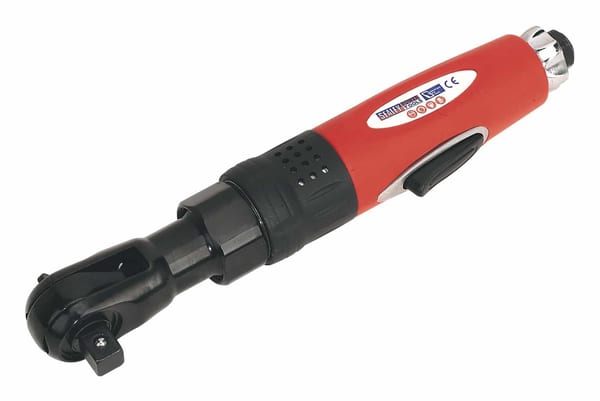 Not yet ratedSealeyGeneration Air Ratchet Wrench 1/2"Sq Drive
- 1/2 in. square drive
- 45 lb.ft torque output
- 360° adjustable exhaust
€79.09€79.89€64.30€64.95 -
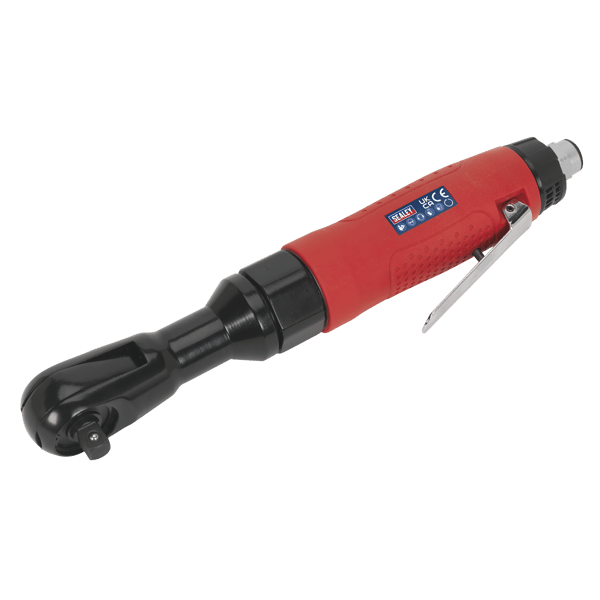 Not yet ratedSealeyGeneration Air Ratchet Wrench 3/8"Sq Drive
- 3/8 in. square drive
- 45 lb.ft torque output
- 360° adjustable exhaust
€79.09€79.89€64.30€64.95 -
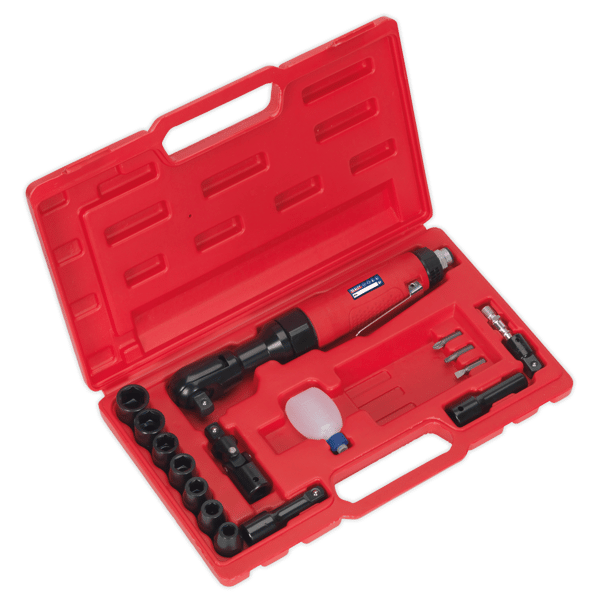 Not yet ratedSealeyGeneration Air Ratchet Wrench Kit 1/2"Sq Drive
- 1/2 in. sq drive
- 150 rpm free speed
- 45 lb.ft (61 Nm) max torque
€121.71€122.94€98.95€99.95 -
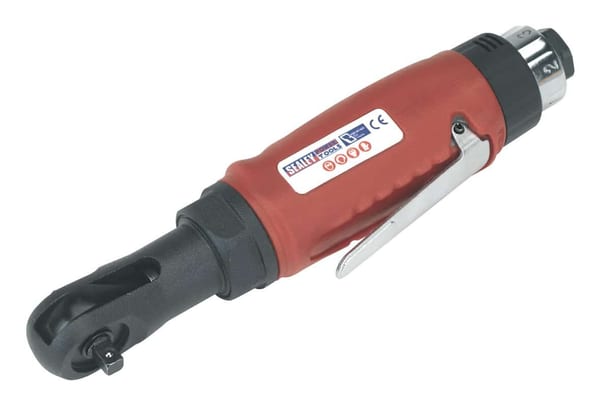 Not yet ratedSealeyGeneration Compact Air Ratchet Wrench 1/4"Sq Drive
- 1/4" Sq drive
- Max torque 20 lb.ft (27 Nm)
- Compact, 185 mm length
€76.05€76.81€61.83€62.45 -
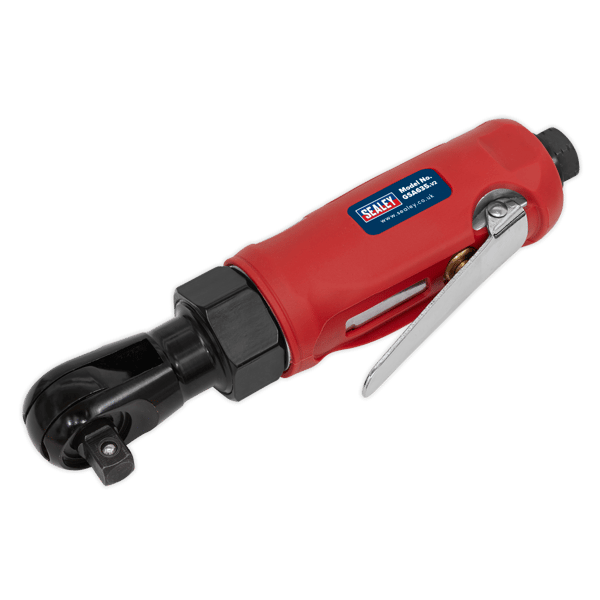 Not yet ratedSealeyGeneration Compact Air Ratchet Wrench 3/8"Sq Drive
- 3/8 in. Sq drive
- 185 mm length, compact
- 20 lb.ft (27 Nm) max torque
€76.05€76.81€61.83€62.45 -
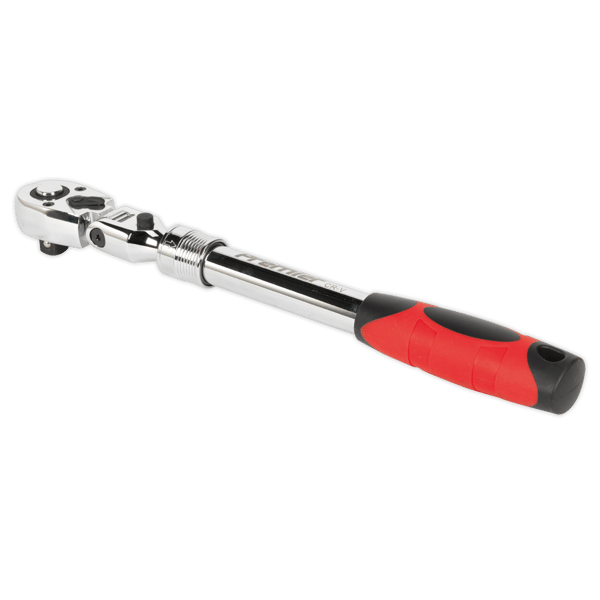 Not yet ratedPremierLocking Flexi-Head Extendable Ratchet Wrench 1/2"Sq Drive
- Chrome Vanadium steel, hardened
- 180° locking flexi-head
- 340-480 mm, 6 lengths
€88.23€89.11€71.73€72.45 -
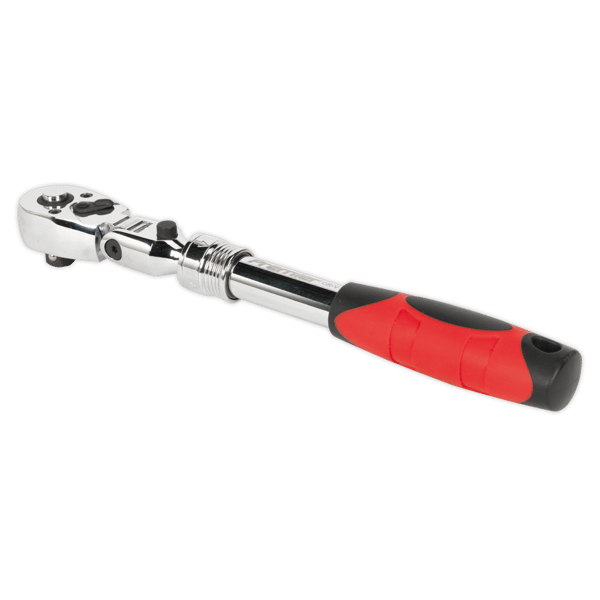 Not yet ratedPremierLocking Flexi-Head Extendable Ratchet Wrench 3/8"Sq Drive
- Chrome Vanadium steel, hardened
- 180° locking flexi-head
- 240-340 mm, 4 lengths
€73.00€73.74€59.35€59.95 -
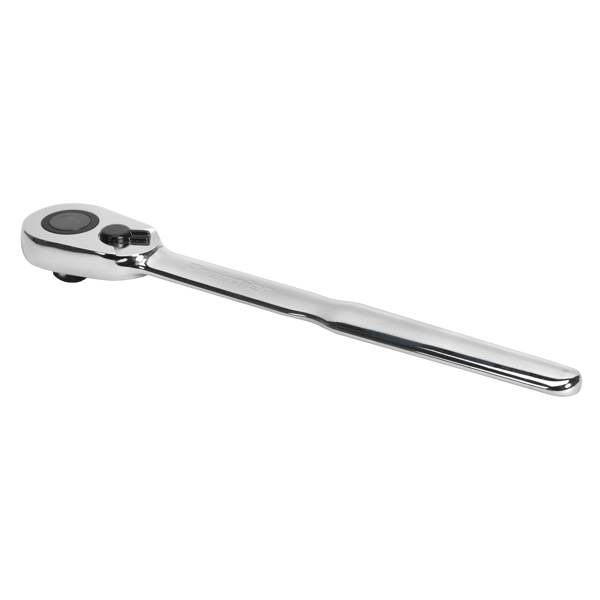 Not yet ratedPremierLow Profile Ratchet Wrench 3/8"Sq Drive
- Chrome Vanadium steel, polished
- 60-tooth, low profile pear-head
- 3/8" square drive
€48.65€49.14€39.55€39.95 -
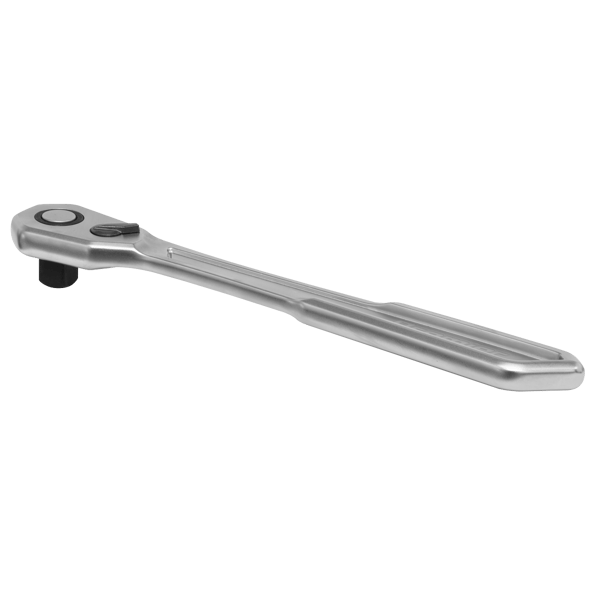 Not yet ratedPremierLow Profile Ratchet Wrench with Flip Reverse 1/2"Sq Drive
- Chrome Vanadium steel, hardened
- 90-tooth ratchet, low profile
- Flip reverse + quick release
€56.26€56.83€45.74€46.20 -
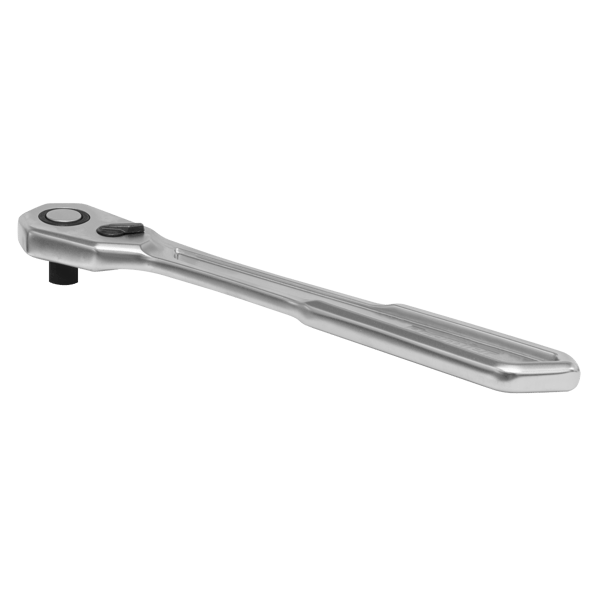 Not yet ratedPremierLow Profile Ratchet Wrench with Flip Reverse 1/4"Sq Drive
- Chrome Vanadium steel, 90-tooth
- 1/4 in. square drive
- Flip reverse + quick release
€36.47€36.84€29.65€29.95 -
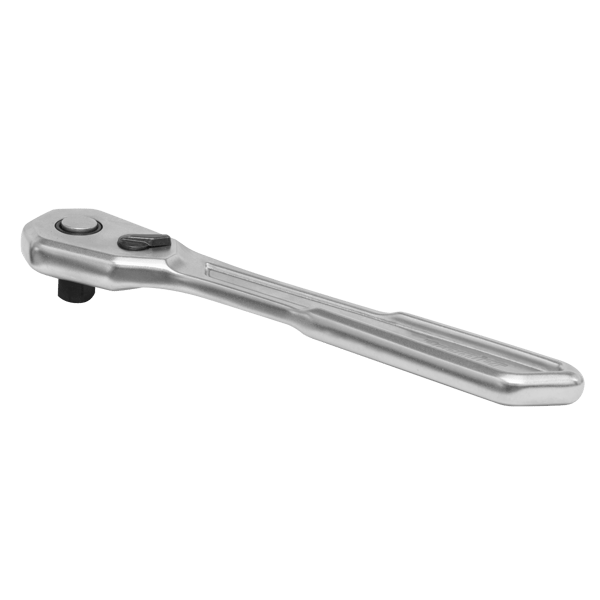 Not yet ratedPremierLow Profile Ratchet Wrench with Flip Reverse 3/8"Sq Drive
- Chrome Vanadium steel, hardened
- 90-tooth, low profile head
- Flip reverse + quick release
€45.61€46.06€37.08€37.45 -
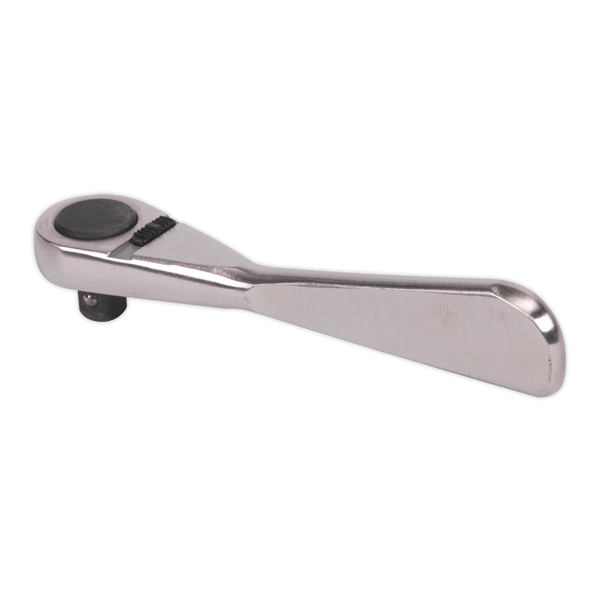 Not yet ratedPremierMicro Ratchet Wrench Stainless Steel 1/4"Sq Drive
- 1/4" Sq drive
- 72-tooth ratchet mechanism
- Stainless steel, satin finish
€30.38€30.69€24.70€24.95 -
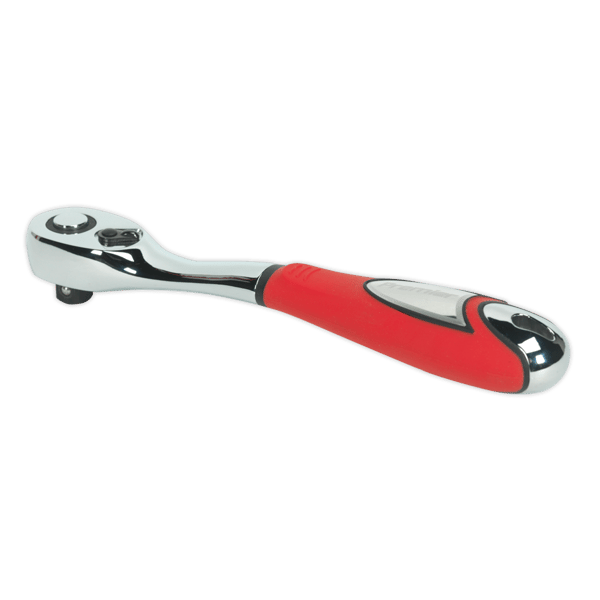 Not yet ratedPremierOffset Ratchet Wrench 1/2"Sq Drive
- 1/2" sq drive
- 72-tooth ratchet, 5° increments
€50.17€50.68€40.79€41.20 -
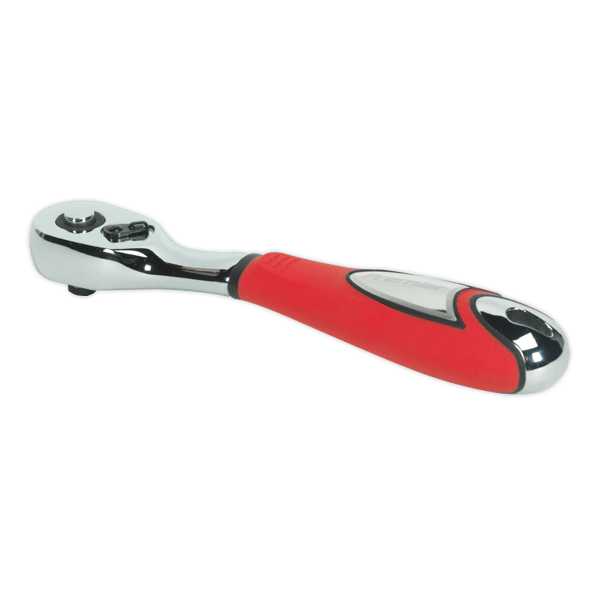 Not yet ratedPremierOffset Ratchet Wrench 1/4"Sq Drive
- 1/4 in. Sq drive
- 72-tooth ratchet, 5° increments
€30.38€30.69€24.70€24.95 -
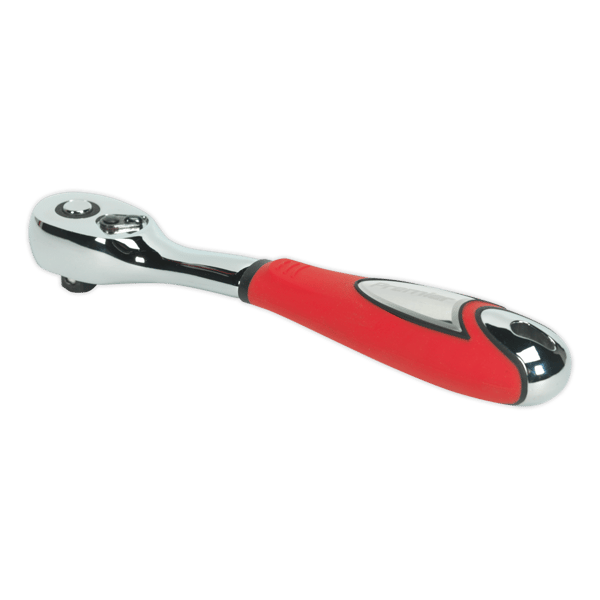 Not yet ratedPremierOffset Ratchet Wrench 3/8"Sq Drive
- 3/8" sq drive, 72-tooth ratchet
- 5° increment ratcheting
€37.99€38.38€30.89€31.20 -
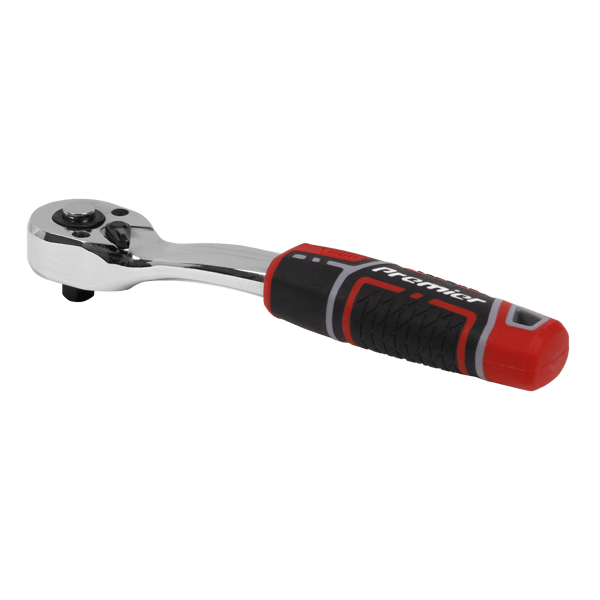 Not yet ratedPremierOffset Ratchet Wrench with Flip Reverse 1/4"Sq Drive
- Chrome Vanadium steel
- 72-tooth ratchet action
- 1/4" Sq drive, 150 mm
€22.77€23.00€18.51€18.70 -
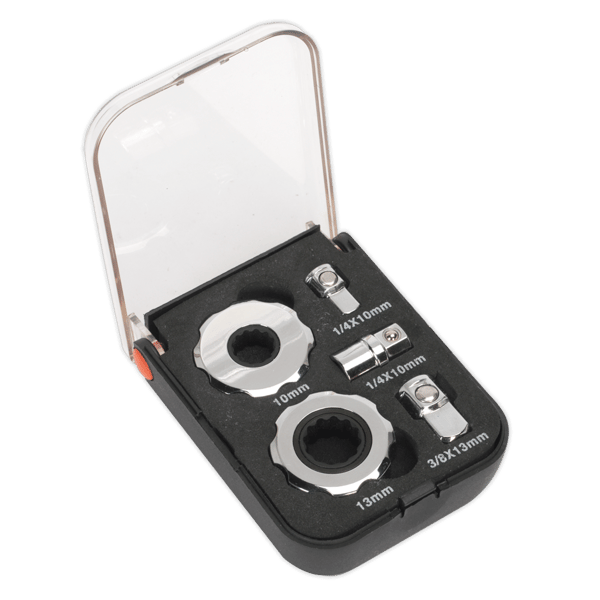 Not yet ratedPremierPalm Ratchet Set 1/4" & 3/8"Sq Drive 5pc
- 72-tooth ratchet, 5° increments
- Chrome Vanadium steel, polished
- 1/4" & 3/8" square drive
€56.26€56.83€45.74€46.20 -
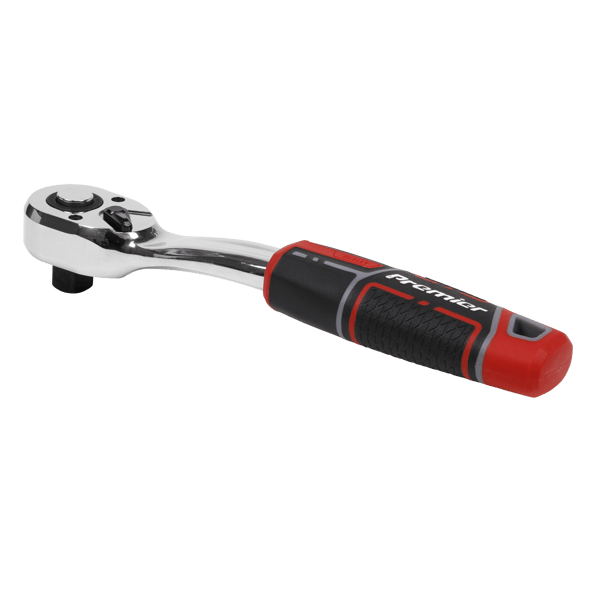 Not yet ratedPremierPear-Head Offset Ratchet Wrench with Flip Reverse 1/2"Sq Drive
- Chrome Vanadium steel, 72-tooth
- 1/2 in. square drive, 235 mm
- Pear-head, flip reverse, offset
€37.99€38.38€30.89€31.20 -
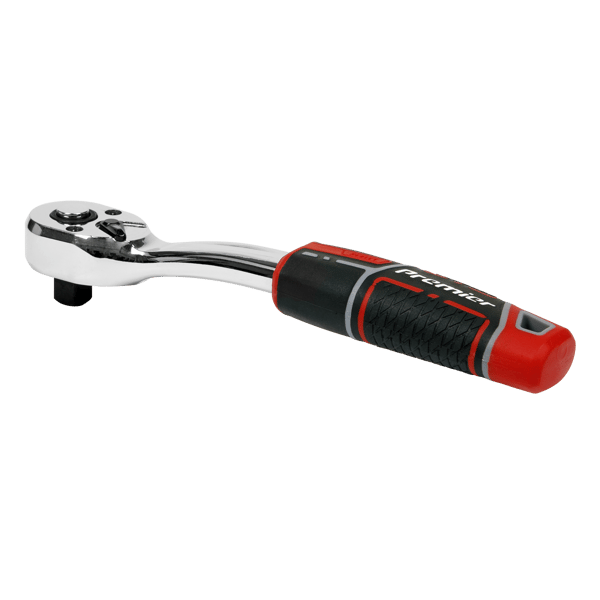 Not yet ratedPremierPear-Head Offset Ratchet Wrench with Flip Reverse 3/8"Sq Drive
- Chrome Vanadium steel, hardened
- 72-tooth ratchet action
- 3/8" sq drive, 190 mm length
€30.38€30.69€24.70€24.95 -
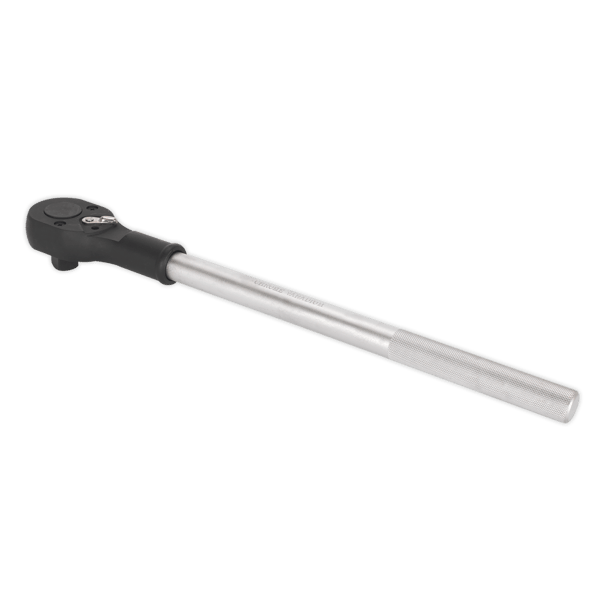 Not yet ratedPremierPear-Head Ratchet Wrench 3/4"Sq Drive
- 3/4 in. sq drive
- 24-tooth ratchet
- 500 mm length
€152.15€153.69€123.70€124.95 -
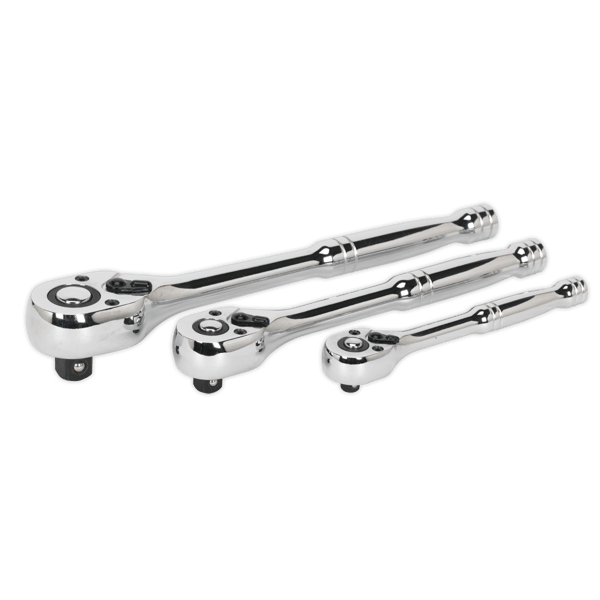 Not yet ratedPremierPear-Head Ratchet Wrench Set with Flip Reverse 3pc
- Chrome Vanadium steel, 72-tooth
- 1/4", 3/8", 1/2" sq drive
- Flip reverse, quick release
€114.09€115.25€92.76€93.70 -
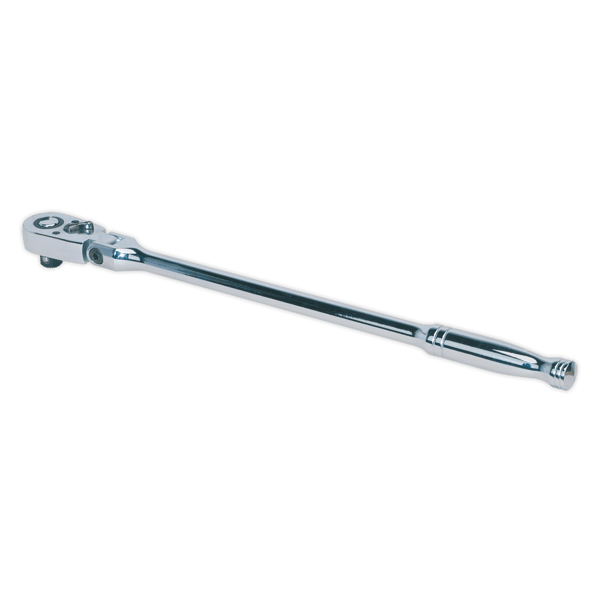 Not yet ratedPremierPear-Head Ratchet Wrench with Flexi-Head & Flip Reverse 1/2"Sq Drive 445mm
- Chrome Vanadium steel, 48-tooth
- 180° flexi-head, flip reverse
- 1/2" Sq drive, 445 mm
€101.92€102.95€82.86€83.70 -
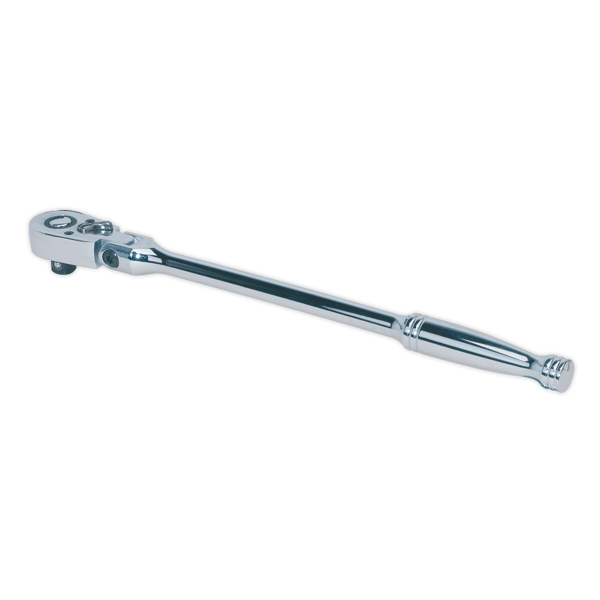 Not yet ratedPremierPear-Head Ratchet Wrench with Flexi-Head & Flip Reverse 3/8"Sq Drive 300mm
- Chrome Vanadium steel, 48-tooth
- 3/8" Sq drive, 300mm length
- 180° flexi-head, flip reverse
€76.05€76.81€61.83€62.45 -
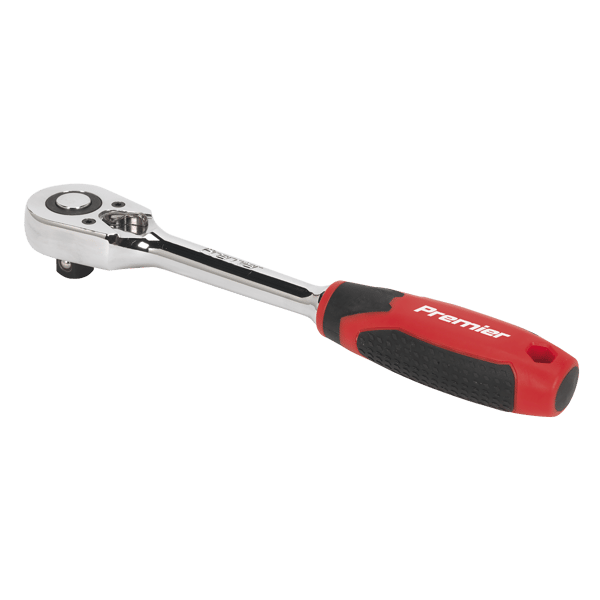 Not yet ratedPremierPear-Head Ratchet Wrench with Flip Reverse 1/2"Sq Drive
- Chrome Vanadium steel, 48-tooth
- 1/2 in. sq drive, 250 mm length
€56.26€56.83€45.74€46.20 -
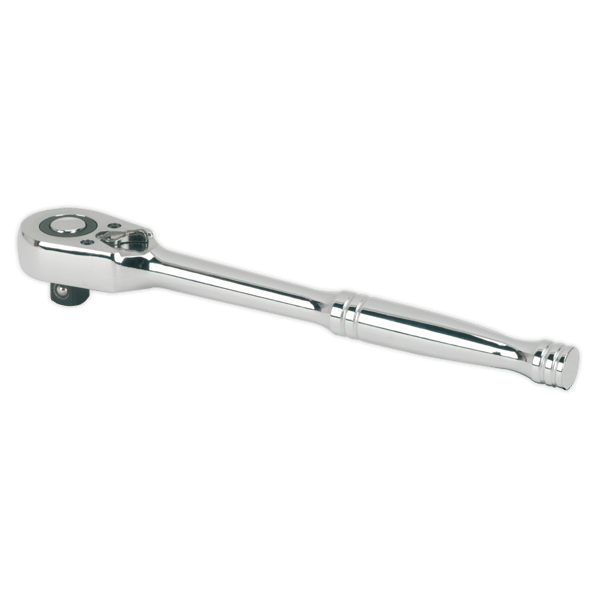 Not yet ratedPremierPear-Head Ratchet Wrench with Flip Reverse 1/2"Sq Drive
- Chrome Vanadium steel, 48-tooth
- 1/2" Sq drive
- Flip reverse + quick release
€57.79€58.36€46.98€47.45 -
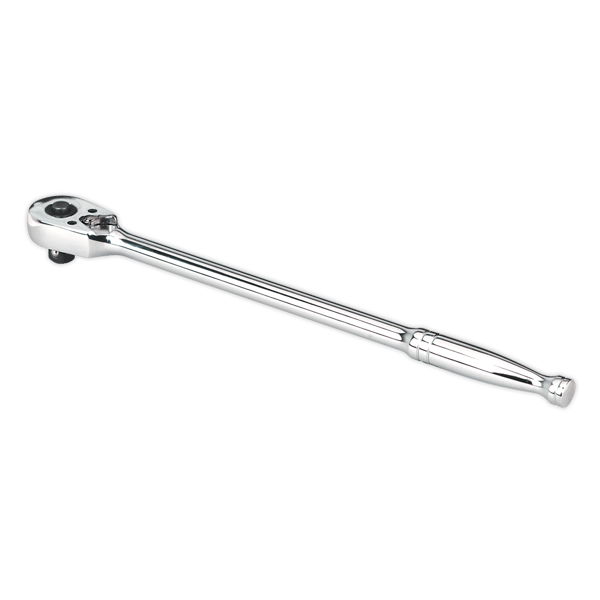 Not yet ratedPremierPear-Head Ratchet Wrench with Flip Reverse 1/2"Sq Drive 375mm
- Chrome Vanadium steel, 48-tooth
- 1/2″ Sq drive, 375 mm length
- Flip reverse + quick release
€86.70€87.58€70.49€71.20 -
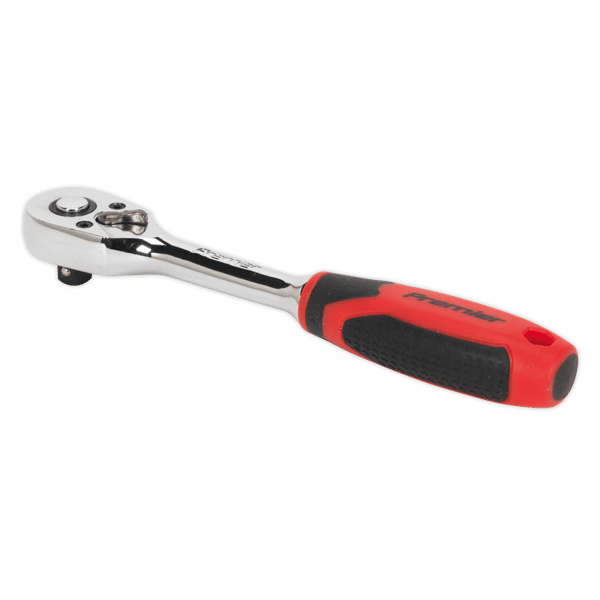 Not yet ratedPremierPear-Head Ratchet Wrench with Flip Reverse 1/4"Sq Drive
- Chrome Vanadium steel, 48-tooth
- 1/4 in. Sq drive, 135 mm
- Flip reverse + quick release
€37.99€38.38€30.89€31.20 -
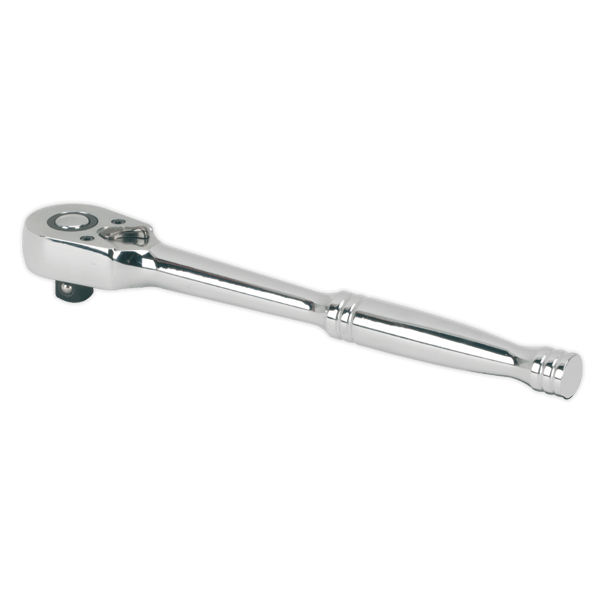 Not yet ratedPremierPear-Head Ratchet Wrench with Flip Reverse 1/4"Sq Drive
- Chrome Vanadium steel, 48-tooth
- 1/4 in. sq drive
- Flip reverse + quick release
€37.99€38.38€30.89€31.20 -
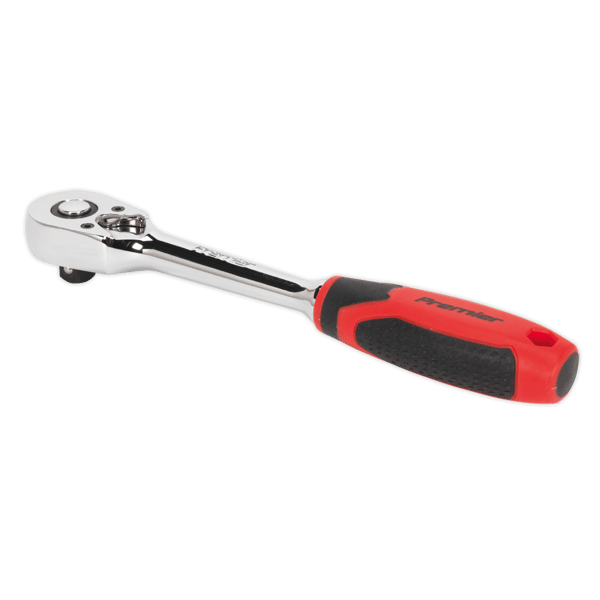 Not yet ratedPremierPear-Head Ratchet Wrench with Flip Reverse 3/8"Sq Drive
- Chrome Vanadium steel, 48-tooth
- 3/8 in. sq drive, 200 mm length
- Flip reverse + quick release
€45.61€46.06€37.08€37.45
Drive size matters most. A 1/4" square drive suits instrument panels, small brackets, and light assembly — torque is low, but so is the head profile. 3/8" covers most automotive and plant work: suspension bolts, gearbox covers, hydraulic fittings. 1/2" drive handles larger fasteners on truck chassis, agricultural equipment, and structural frames, though head size increases accordingly.
Compact and stubby models trade speed for access. A standard-length tool typically runs 150–200 RPM free speed; compact and super-stubby versions drop to around 100–130 RPM but fit into recesses a few centimetres deep. Check head width and overall length against your usual working clearance — pear-head designs angle the drive to reduce knuckle contact with surrounding parts.
Reverse mechanism varies. Flip-lever types let you change direction one-handed without repositioning the tool. Twist collars require two hands but are less prone to accidental engagement when wedged into tight spots. Free speed and torque ratings are nominal — actual performance depends on your compressor's CFM delivery at working pressure. Match air consumption (usually 4–6 CFM at 90 PSI) to your compressor's output, or expect the tool to stall under load.