
Hi. What are you looking for? Tell us what you need and we'll get back to you.
Nibblers
Nibblers cut sheet metal without distorting the edge. They work by punching out a narrow strip of material in a continuous line, leaving a clean kerf you can bend or weld to. Useful for cutting corrugated sheet, profiles, and curves where a disc cutter would warp the metal or throw sparks near fuel lines. Air nibblers here run off a compressor at typical workshop pressure—check your CFM against the tool spec before you buy.
Showing all 5 results
-
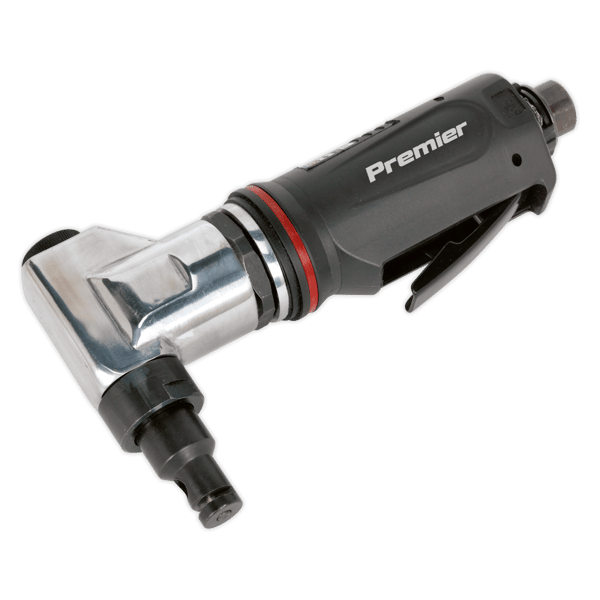 Not yet ratedPremierAir Nibbler
- Cuts steel up to 1.5 mm thick
- 3200 spm free speed
- 360° rotatable punch and die
€144.54€146.00€117.51€118.70 -
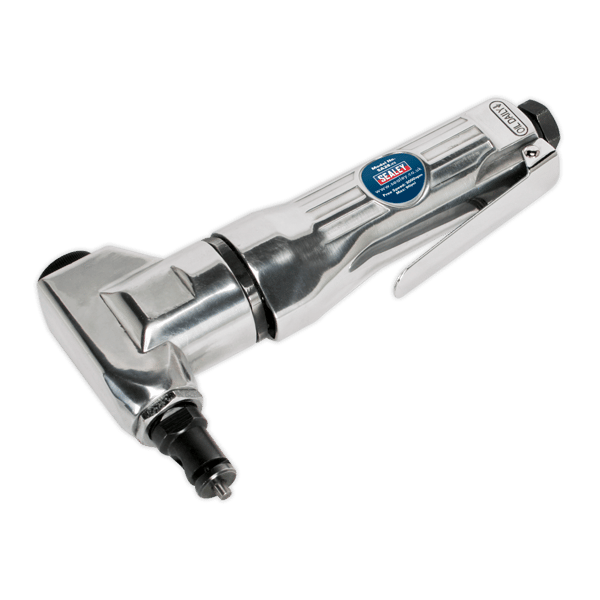 Not yet ratedSealeyAir Nibbler
- Cuts steel up to 1.5 mm
- 360° rotatable punch & die
- Fingertip throttle control
€82.14€82.96€66.78€67.45 -
-
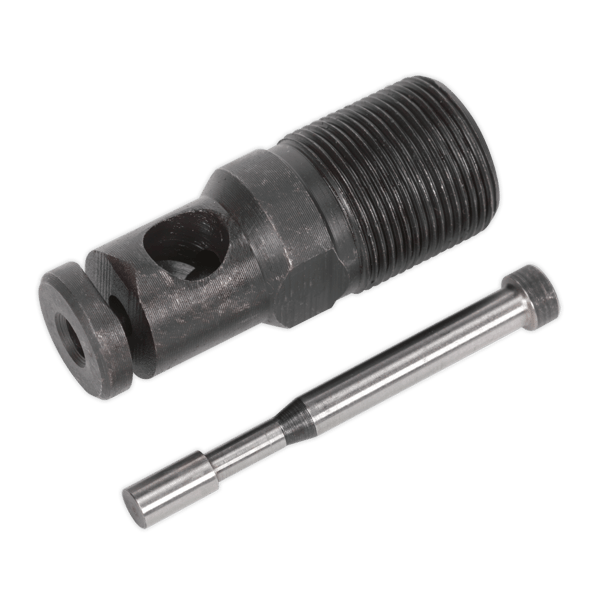 Not yet ratedSealeyPunch & Die Kit for SA28.V2
- Fits SA28.V2 Air Nibbler
- Includes 1 punch + 1 die
€23.57€23.80€19.16€19.35 -
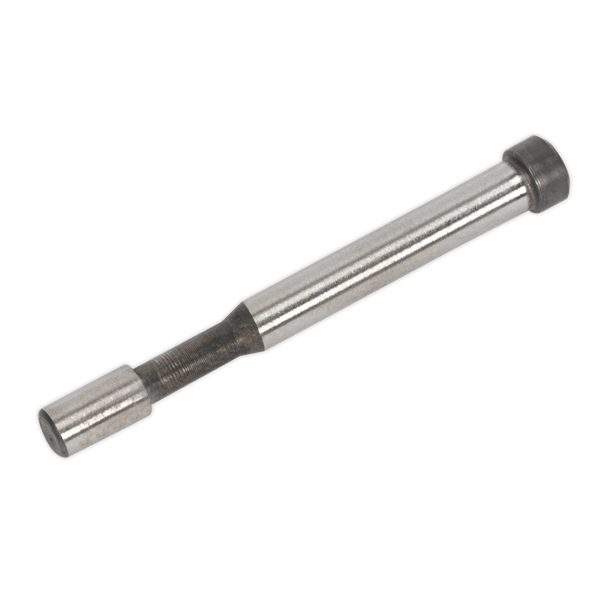
The cutting action comes from a reciprocating punch driving material through a fixed die. Punch and die wear as you work, so they're consumable parts—check what replacements cost and whether they're a common size. Some models use a single proprietary set; others take standard geometries you can cross-reference. The kit listings here include spare punches and dies for specific Sealey units, so match the part number to your tool before ordering.
Throat depth matters if you're starting a cut in the middle of a sheet. A shallow throat forces you to begin at an edge or drill a pilot hole; a deeper reach lets you notch out panels without pre-cutting. Minimum radius tells you the tightest curve the tool will follow without stalling—useful for ductwork corners or trim panels. Stroke rate affects speed but also finish: faster nibbling can leave a coarser edge on thicker stock.
Air consumption varies. A tool pulling 170 litres per minute needs a compressor that can sustain that flow, not just hit it on the gauge. If you're running multiple air tools on one line, add up the demand or fit a regulator close to the nibbler to hold pressure steady. Check the inlet thread—most take a standard quick coupler, but verify size if you're adapting an older whip.
Material capacity is listed as a maximum mild-steel thickness. Stainless cuts slower and wears the punch faster; aluminium is easier but clogs the die with swarf if you don't clear it. If you're nibbling painted or coated sheet, the finish will chip along the cut line—that's inherent to the process. Deburr the edge afterward or plan to fold it under if appearance matters.