
Hi. What are you looking for? Tell us what you need and we'll get back to you.
Breaker Bars
Breaker bars give you the leverage to shift seized fasteners without hammering a ratchet. Fixed-length bars suit regular work; extendable models let you dial in the reach without switching tools. Half-inch square drive covers most automotive and machinery fasteners, three-quarter for heavy plant and truck hubs. Siegen and Premier both offer rigid and telescopic options, plus knuckle joints and ratchet adaptors when access is tight.
Showing all 44 results
-
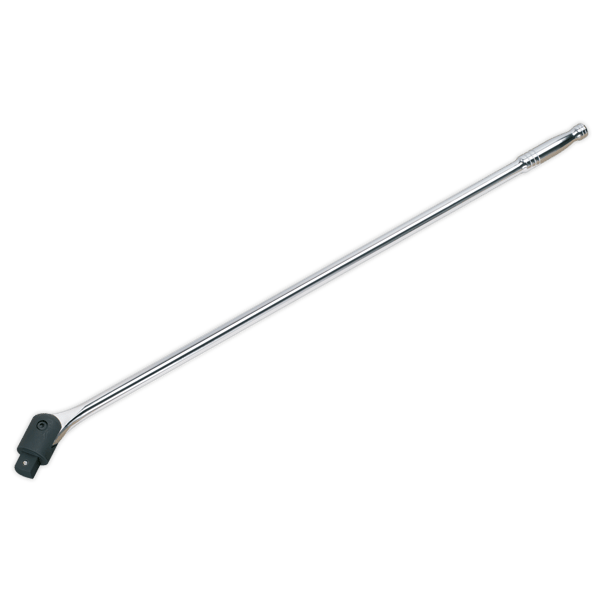 Not yet ratedPremierBreaker Bar 1"Sq Drive 1000mm
- Chrome Vanadium steel, hardened
- 1 in. Sq drive, 1000 mm length
- Replaceable knuckle joint
€205.42€207.50€167.01€168.70 -
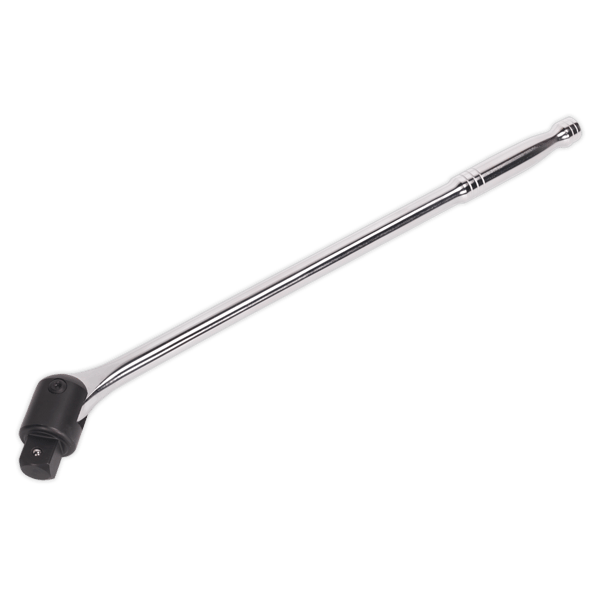 Not yet ratedPremierBreaker Bar 1"Sq Drive 600mm
- Chrome Vanadium steel, 22mm dia
- 1" sq drive, 600mm length
- Spring-loaded socket retention
€136.94€138.31€111.33€112.45 -
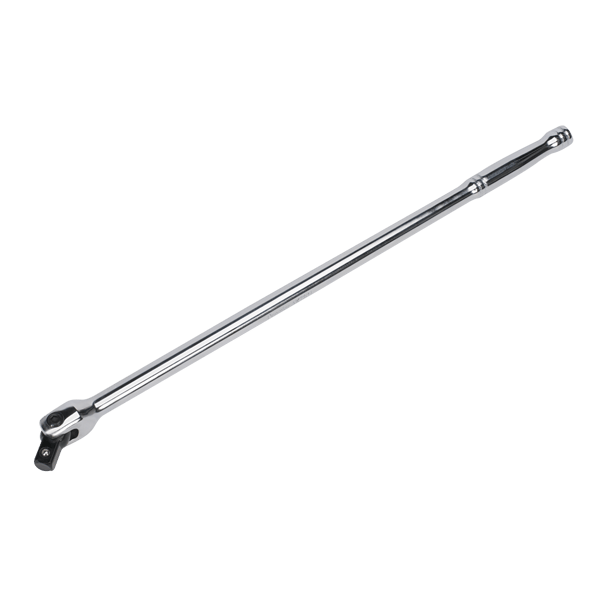 Not yet ratedPremierBreaker Bar 1/2"Sq Drive 450mm
- Chrome Vanadium steel, hardened
- 1/2" sq drive, 450mm length
- Spring-loaded socket retention
€33.43€33.76€27.18€27.45 -
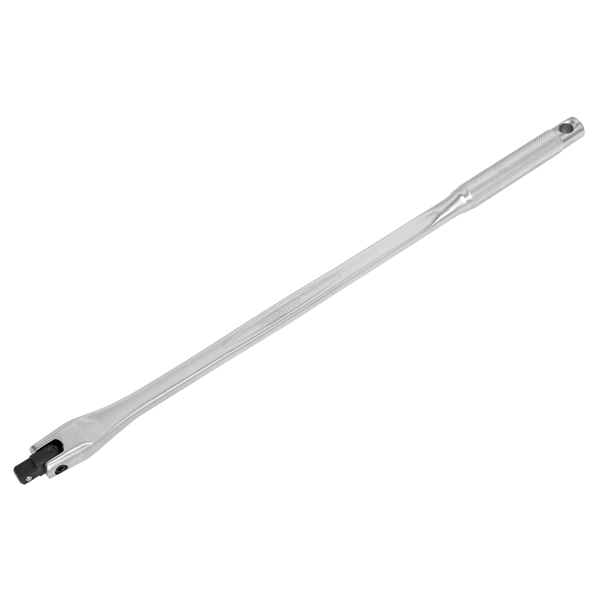 Not yet ratedPremierBreaker Bar 1/2"Sq Drive 600mm
- 1/2" Sq drive, 600mm length
- Chrome Vanadium steel, hardened
- Knurled non-slip handle
€86.70€87.58€70.49€71.20 -
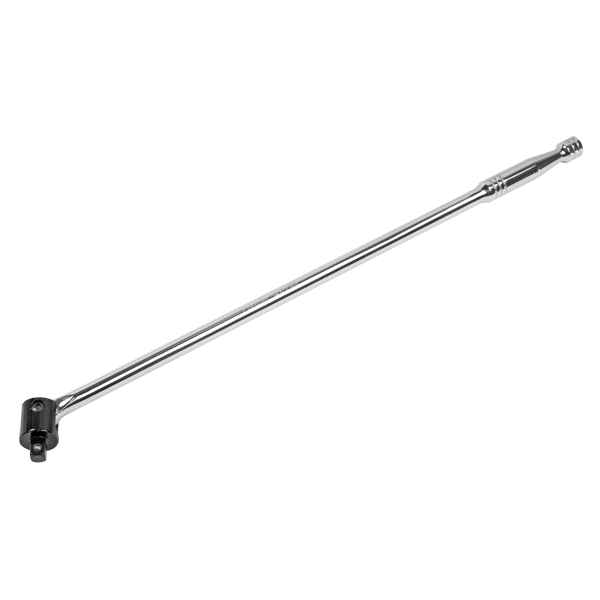 Not yet ratedPremierBreaker Bar 1/2"Sq Drive 600mm
- 1/2" square drive, 600 mm length
- Replaceable knuckle joint
€42.56€42.99€34.60€34.95 -
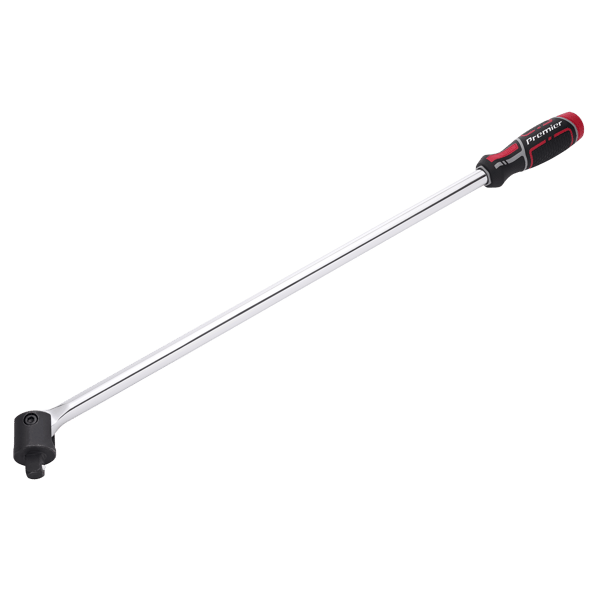 Not yet ratedPremierBreaker Bar 1/2"Sq Drive 600mm
- Chrome Vanadium steel, hardened
- 1/2 in. sq drive, 600 mm
- Spring-loaded socket retention
€51.70€52.21€42.03€42.45 -
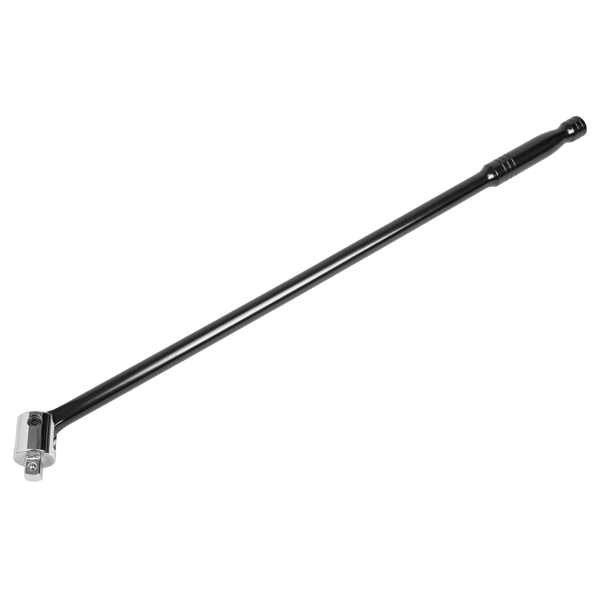 Not yet ratedPremier BlackBreaker Bar 1/2"Sq Drive 600mm
- Chrome Vanadium steel, hardened
- 1/2 in. sq drive, 600 mm
- Spring-loaded socket retention
€48.65€49.14€39.55€39.95 -
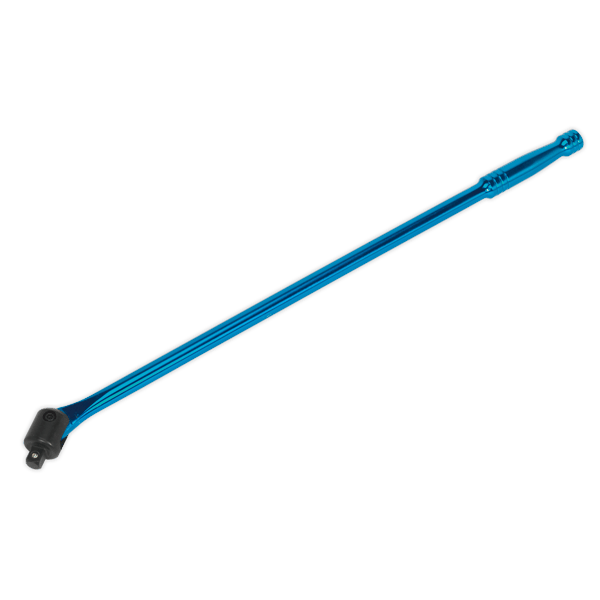 Not yet ratedPremierBreaker Bar 1/2"Sq Drive 600mm - Blue
- Chrome Vanadium steel, hardened
- 1/2 in. sq drive, 600 mm
- Spring-loaded socket retention
€60.82€61.44€49.45€49.95 -
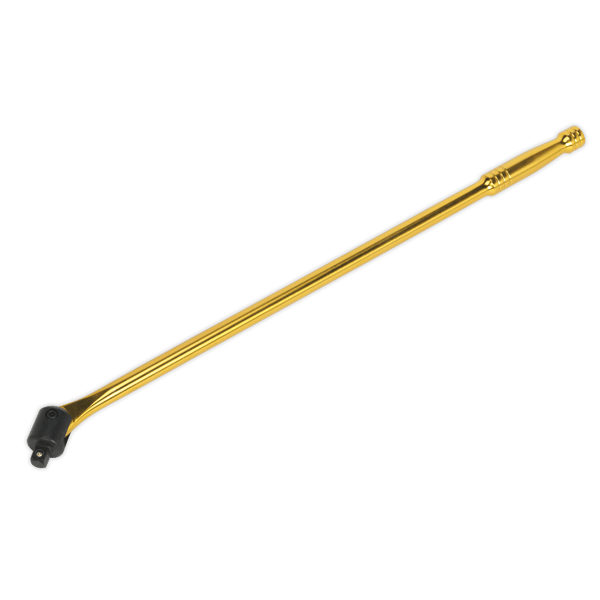 Not yet ratedPremierBreaker Bar 1/2"Sq Drive 600mm - Gold
- Chrome Vanadium steel, hardened
- 1/2" Sq drive, 600mm length
- Spring-loaded socket retention
€60.82€61.44€49.45€49.95 -
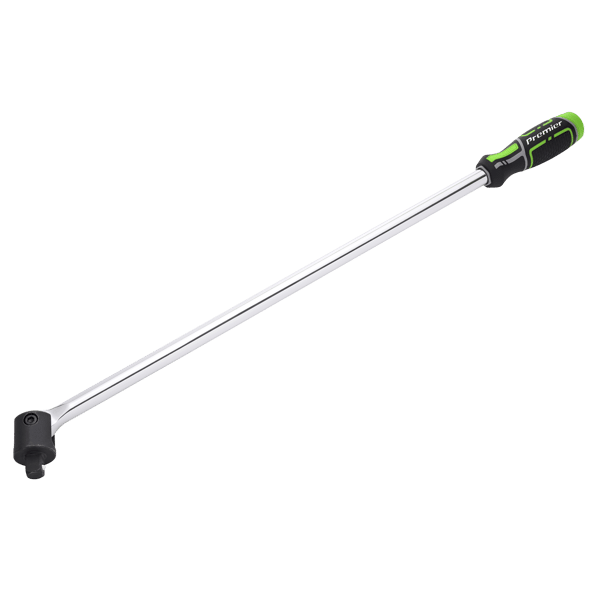 Not yet ratedPremierBreaker Bar 1/2"Sq Drive 600mm - Hi-Vis Green
- 1/2" square drive
- 600 mm length
- Chrome Vanadium steel, hardened
€51.70€52.21€42.03€42.45 -
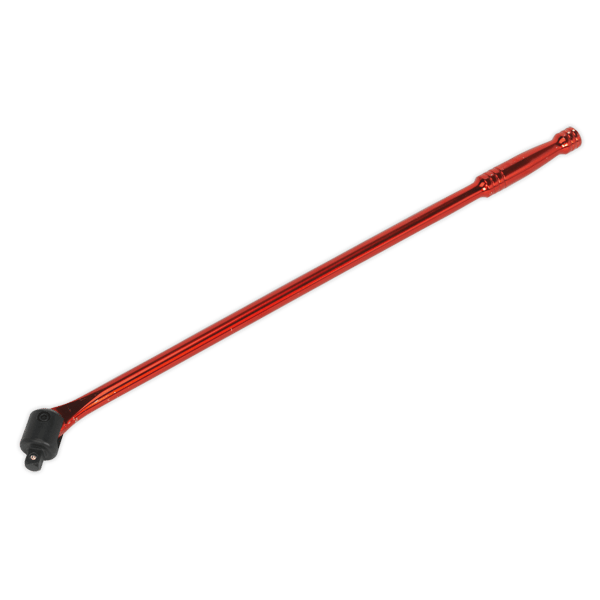 Not yet ratedPremierBreaker Bar 1/2"Sq Drive 600mm - Red
- Chrome Vanadium steel, hardened
- 1/2 in. sq drive, 600 mm
- Spring loaded socket retention
€60.82€61.44€49.45€49.95 -
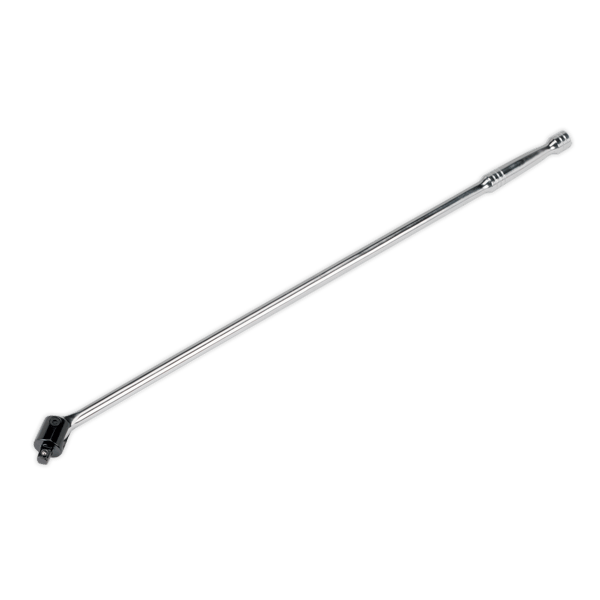 Not yet ratedPremierBreaker Bar 1/2"Sq Drive 750mm
- Chrome Vanadium steel, hardened
- 750mm length
- 1/2 in. Sq drive
€47.12€47.60€38.31€38.70 -
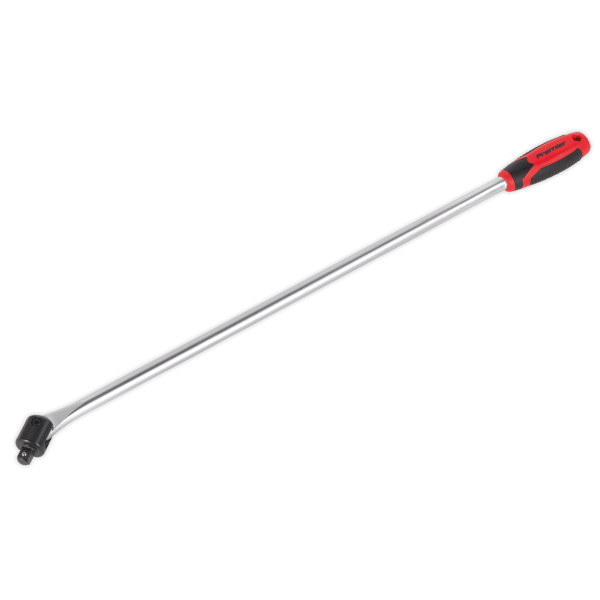 Not yet ratedPremierBreaker Bar 1/2"Sq Drive 750mm
- 1/2" Sq drive, 750mm length
- Chrome Vanadium steel, hardened
- Spring loaded socket retention
€80.61€81.43€65.54€66.20 -
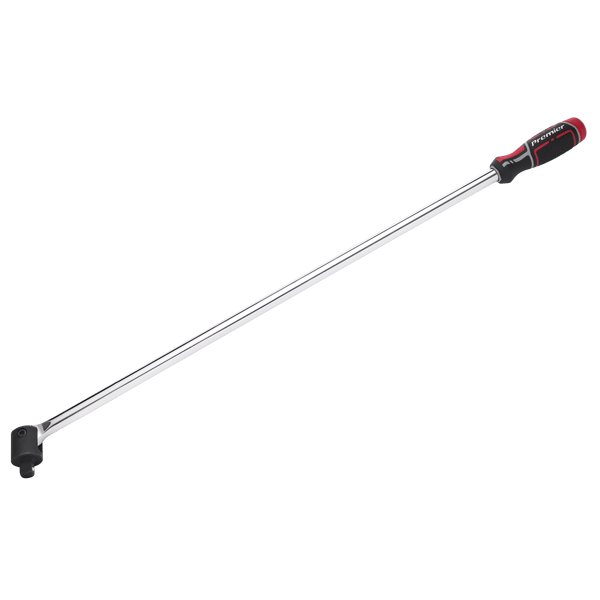 Not yet ratedPremierBreaker Bar 1/2"Sq Drive 750mm
- 1/2 in. Sq drive, 750 mm
- Chrome Vanadium steel, hardened
€59.30€59.90€48.21€48.70 -
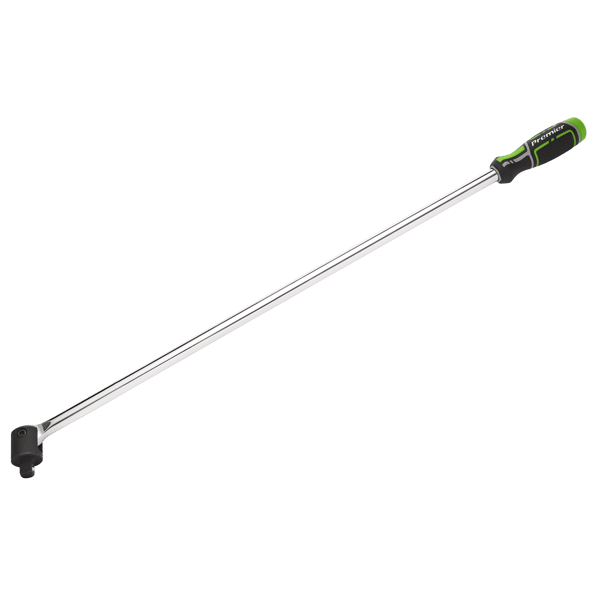 Not yet ratedPremierBreaker Bar 1/2"Sq Drive 750mm - Hi-Vis Green
- 1/2 in. square drive
- 750 mm length
- Chrome Vanadium steel, hardened
€59.30€59.90€48.21€48.70 -
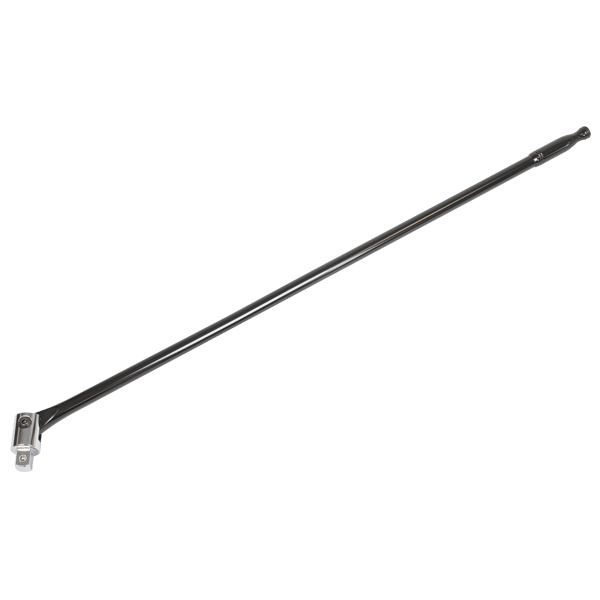 Not yet ratedPremier BlackBreaker Bar 1000mm 3/4"Sq Drive
- Chrome Vanadium steel, hardened
- 1000 mm length, 3/4 in. sq drive
- Spring-loaded socket retention
€121.71€122.94€98.95€99.95 -
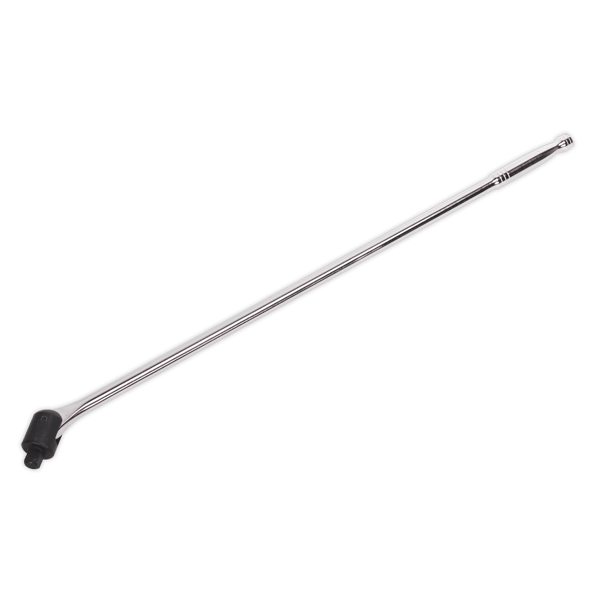 Not yet ratedPremierBreaker Bar 3/4"Sq Drive 1000mm
- 3/4 in. sq drive
- 1000 mm length
- Replaceable knuckle joint
€167.38€169.06€136.08€137.45 -
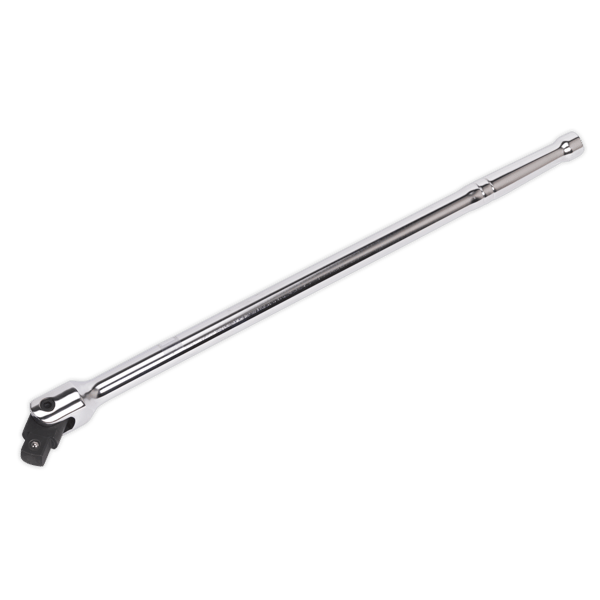 Not yet ratedPremierBreaker Bar 3/4"Sq Drive 600mm
- 3/4" Sq drive, 600mm length
- Chrome Vanadium steel, hardened
- Spring loaded socket retention
€114.09€115.25€92.76€93.70 -
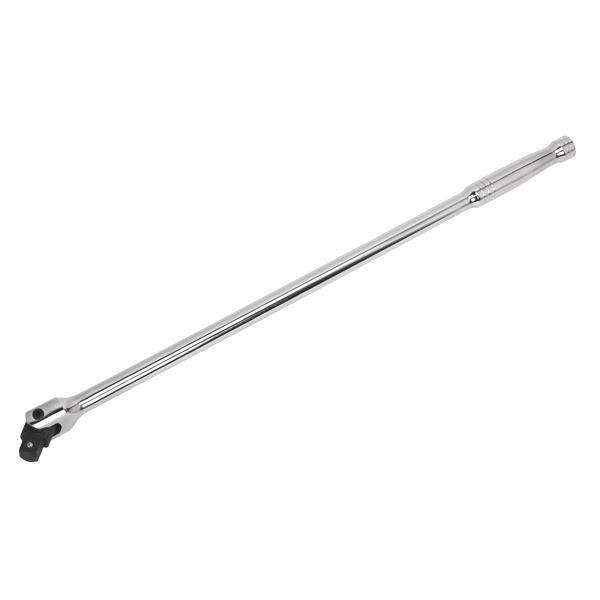 Not yet ratedPremierBreaker Bar 3/4"Sq Drive 750mm
- 3/4 in. square drive
- 750 mm length
- Chrome Vanadium steel, hardened
€129.32€130.63€105.14€106.20 -
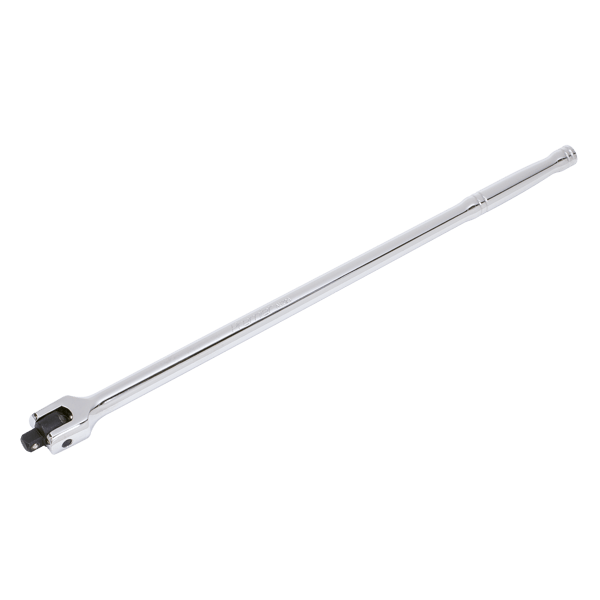 Not yet ratedPremierBreaker Bar 3/8"Sq Drive 450mm
- 3/8" sq drive, 450mm length
- Chrome Vanadium steel, hardened
- Spring loaded socket retention
€33.43€33.76€27.18€27.45 -
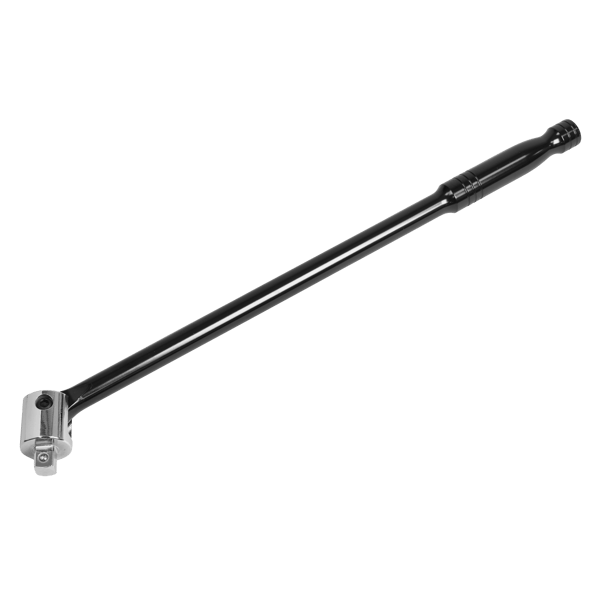 Not yet ratedPremier BlackBreaker Bar 450mm 1/2"Sq Drive
- Chrome Vanadium steel bar
- 450mm length, 1/2 in. sq drive
- Replaceable knuckle joint
€36.47€36.84€29.65€29.95 -
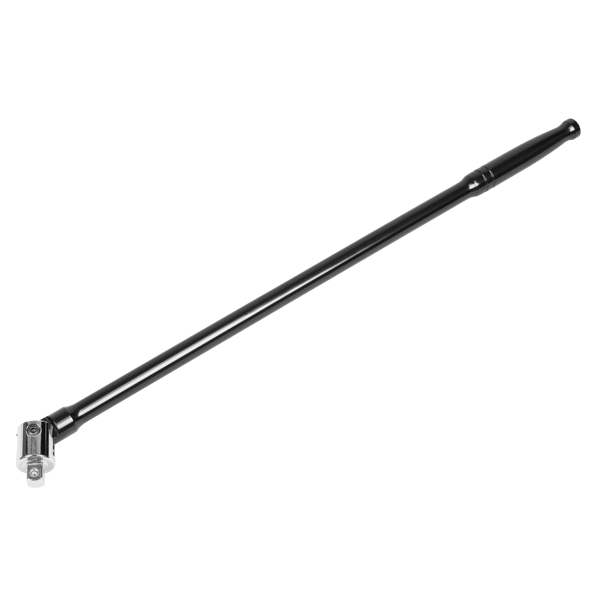 Not yet ratedPremier BlackBreaker Bar 450mm 3/8"Sq Drive
- Chrome Vanadium steel, hardened
- 450 mm length, 3/8 in. sq drive
- Replaceable knuckle joint
€30.38€30.69€24.70€24.95 -
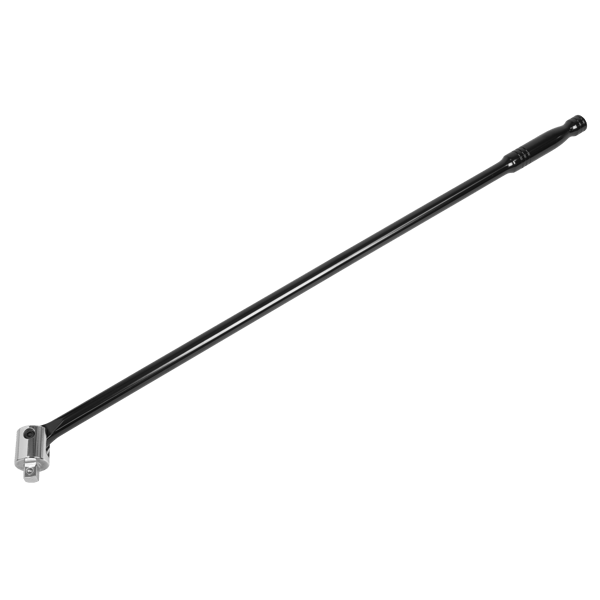 Not yet ratedPremier BlackBreaker Bar 750mm 1/2"Sq Drive
- Chrome Vanadium steel, hardened
- 750mm length, 1/2" Sq drive
- Spring-loaded socket retention
€56.26€56.83€45.74€46.20 -
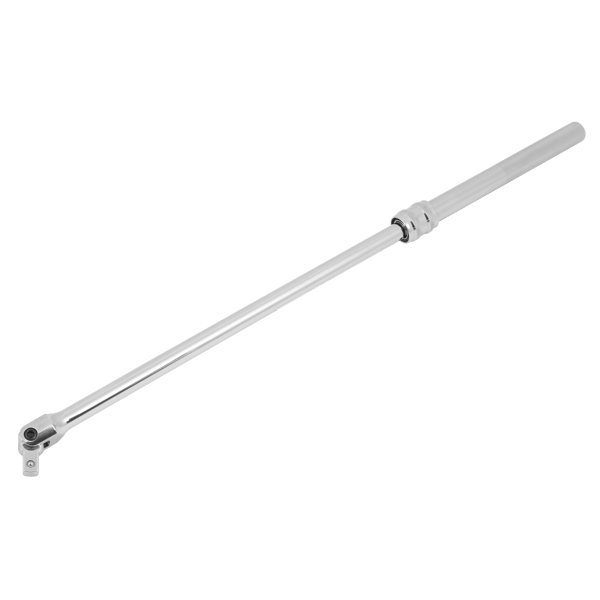
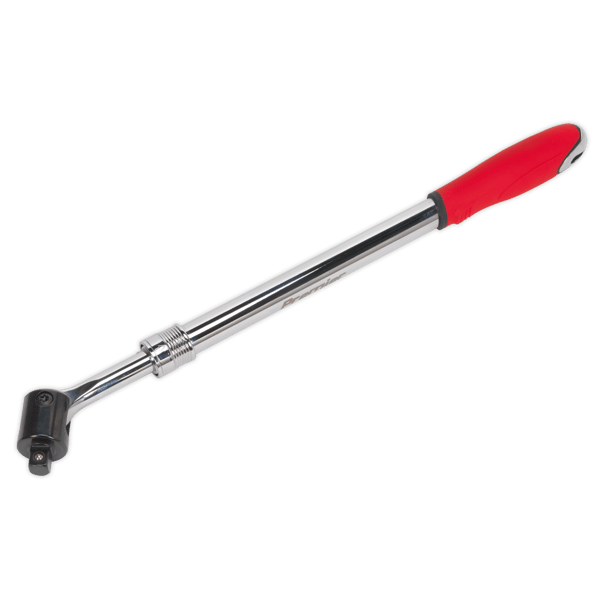 Not yet ratedPremierExtendable Breaker Bar 1/2"Sq Drive
- Chrome Vanadium steel, hardened
- 1/2 in. Sq drive
- 4 shaft lengths, 450–600 mm
€76.05€76.81€61.83€62.45 -
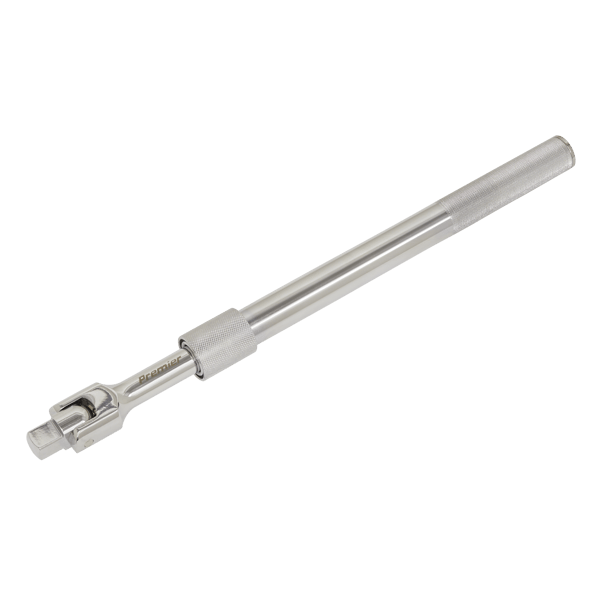
 Not yet ratedPremierExtendable Breaker Bar 1/2"Sq Drive
- Chrome Vanadium steel, hardened
- 1/2" square drive
- 480–630 mm shaft length range
€53.21€53.75€43.26€43.70 -
 Not yet ratedPremierExtendable Breaker Bar 3/4"Sq Drive
- Chrome Vanadium steel, hardened
- 3/4 in. sq drive
- Extendable 540–800 mm
€190.21€192.13€154.64€156.20 -
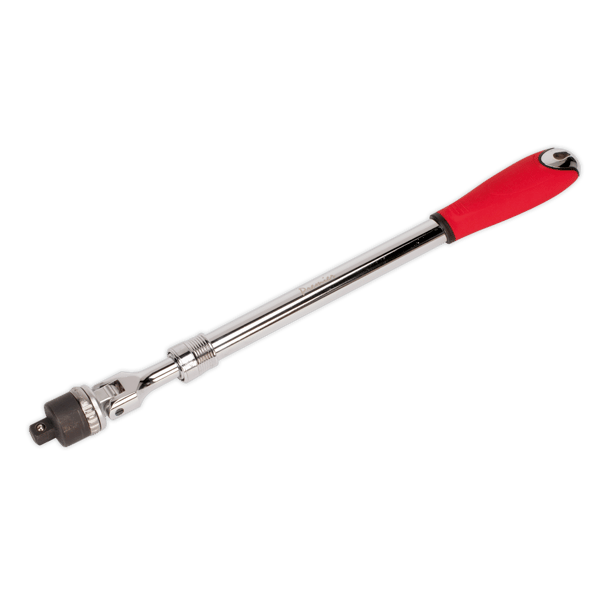 Not yet ratedPremierExtendable Ratcheting Breaker Bar 1/2"Sq Drive
- Chrome Vanadium steel, hardened
- 36-tooth ratchet, 10° engagement
- Soft grip handle
€103.44€104.49€84.10€84.95 -
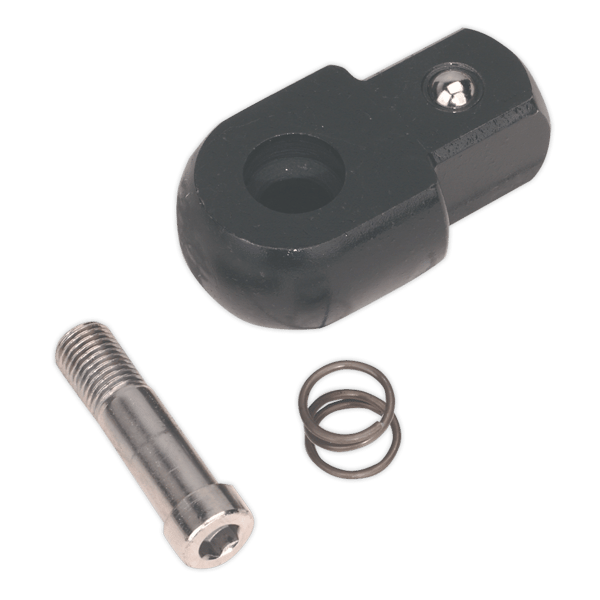 Not yet ratedPremierKnuckle 3/4"Sq Drive for AK731 & AK7314
- Fits 3/4" Sq drive breaker bars
- For AK731 & AK7314 models
- Knuckle joint
€25.82€26.08€20.99€21.20 -
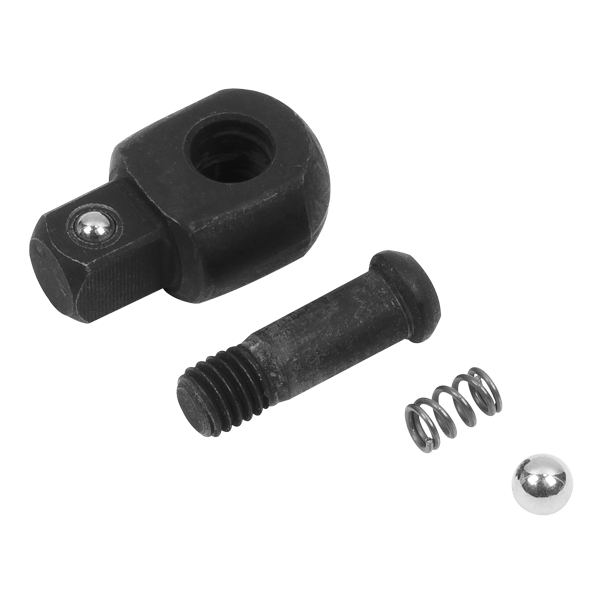 Not yet ratedPremierKnuckle for AK729 3/8"Sq Drive
- Fits AK729 3/8" Sq Drive
- Knuckle joint attachment
€12.61€12.73€10.25€10.35 -
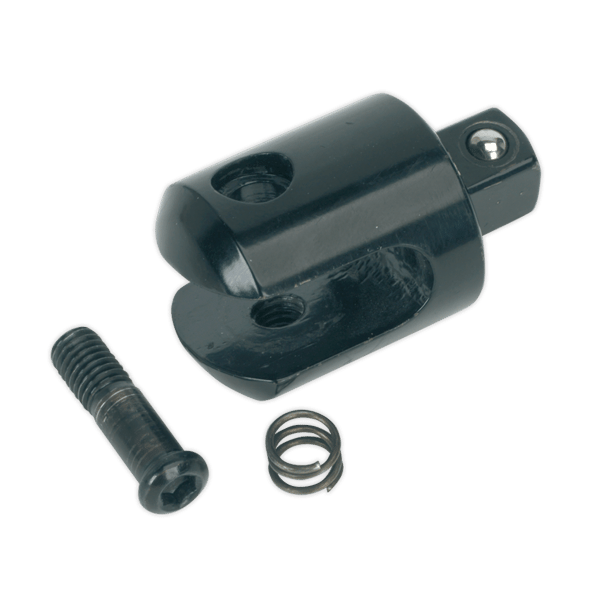 Not yet ratedPremierKnuckle for AK730 & AK7302 1/2"Sq Drive
- Fits AK730 & AK7302 breaker bars
- 1/2 in. square drive
- Consumable replacement part
€17.48€17.65€14.21€14.35 -
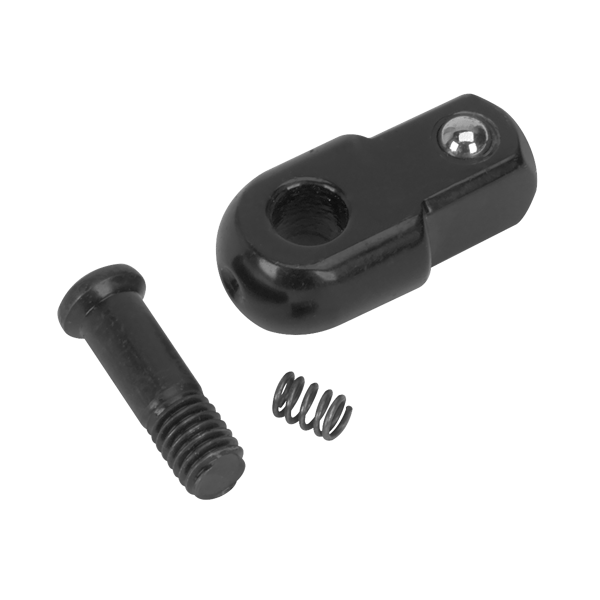 Not yet ratedPremierKnuckle for AK7301.V2 1/2"Sq Drive
- Fits AK7301.V2 1/2" Sq Drive
- Knuckle joint for breaker bar
€13.64€13.78€11.09€11.20 -
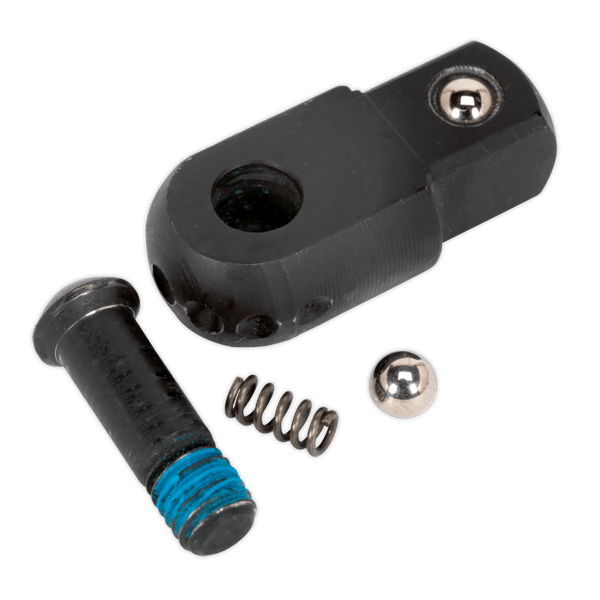 Not yet ratedPremierKnuckle for AK7303 1/2"Sq Drive
- Knuckle joint for AK7303
- 1/2 in. Sq Drive
- Consumable item
€15.17€15.31€12.33€12.45 -
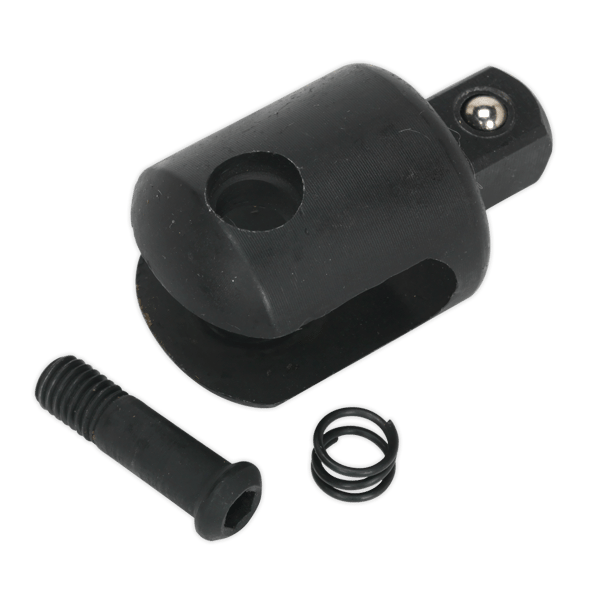 Not yet ratedPremierKnuckle for AK730B, AK730G, AK730R, AK730BL, AK7304 & AK7305 1/2"Sq Drive
- Fits 1/2" Sq Drive breaker bars
€14.86€15.01€12.08€12.20 -
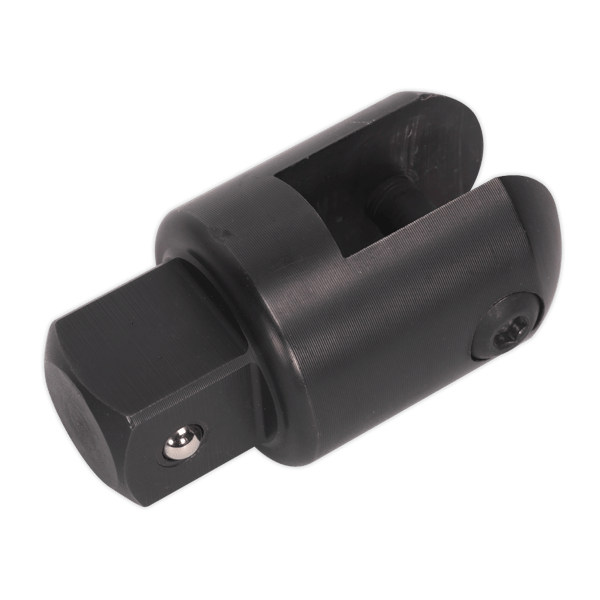 Not yet ratedPremierKnuckle for AK7311 1"Sq Drive
- 1" Sq drive knuckle joint
- Fits AK7311 breaker bar
€30.38€30.69€24.70€24.95 -
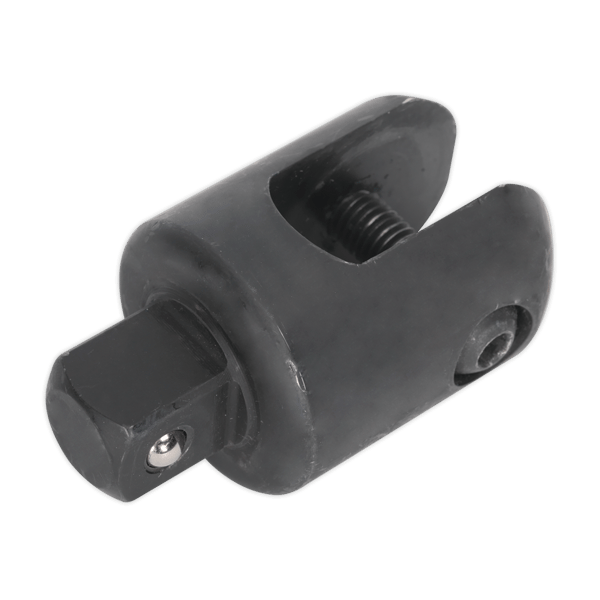 Not yet ratedPremierKnuckle for AK7312 3/4"Sq Drive
- 3/4" Sq drive knuckle joint
- Fits AK7312 breaker bar
€44.08€44.53€35.84€36.20 -
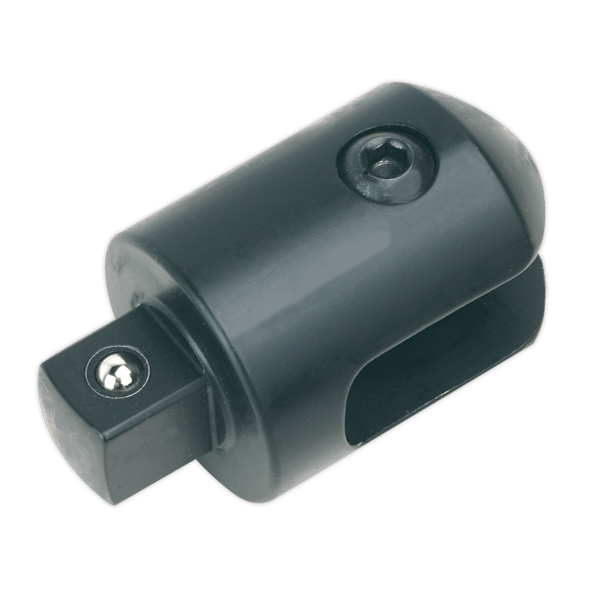 Not yet ratedPremierKnuckle for AK7313 1"Sq Drive
- 1" Sq drive knuckle joint
- Fits AK7313 breaker bar
- 0.67 kg
€37.99€38.38€30.89€31.20 -
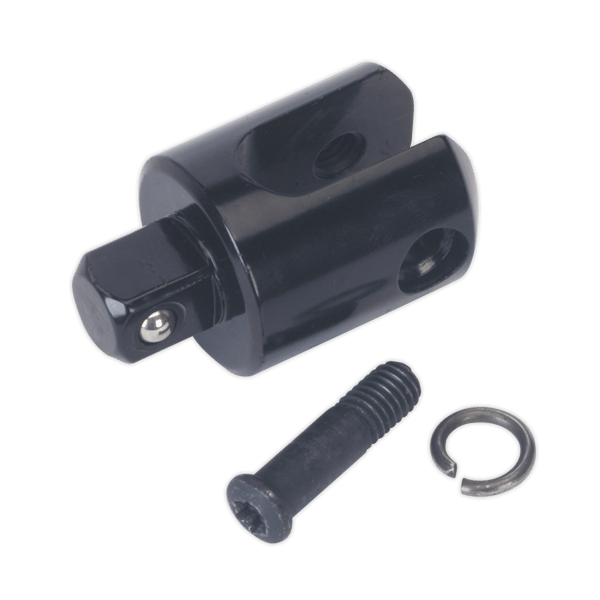 Not yet ratedPremierKnuckle for AK7315 1/2"Sq Drive
- Fits AK7315 breaker bar
- 1/2 in. Sq drive
€26.60€26.88€21.63€21.85 -
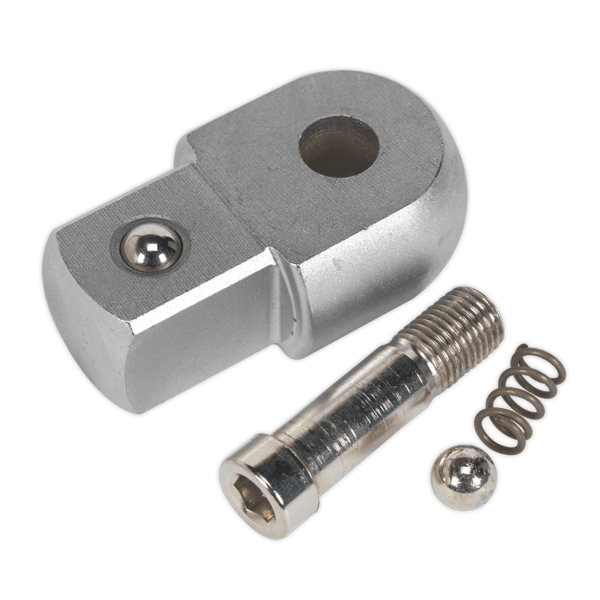 Not yet ratedPremierKnuckle for AK7318 3/4"Sq Drive
- 3/4" Sq drive knuckle joint
- Fits AK7318 breaker bar
€19.73€19.93€16.04€16.20 -
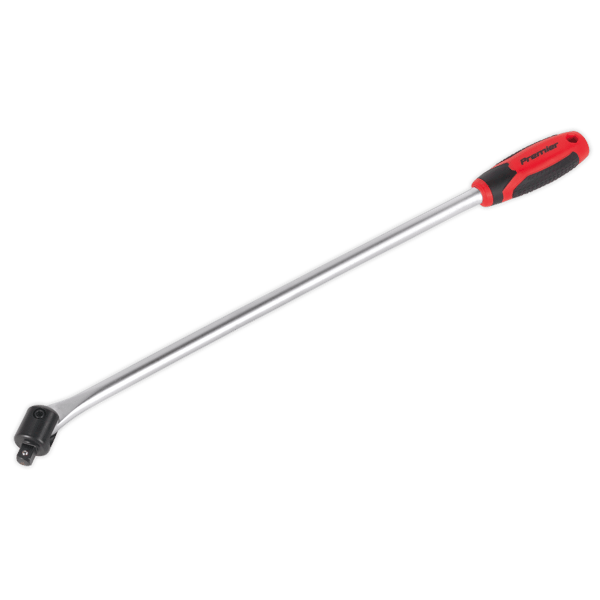 Not yet ratedPremierPlatinum Breaker Bar 1/2"Sq Drive 600mm
- 1/2" Sq drive, 600mm length
- Chrome Vanadium steel, hardened
- Spring-loaded socket retention
€73.00€73.74€59.35€59.95 -
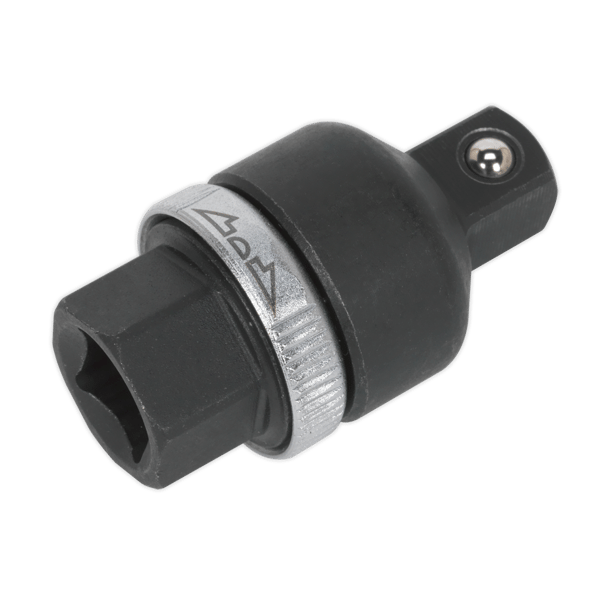 Not yet ratedPremierRatchet Adaptor 1/2"Sq Drive
- 512Nm max torque capacity
- 24-tooth ratchet, 15° engagement
- 3-position control ring
€45.61€46.06€37.08€37.45 -
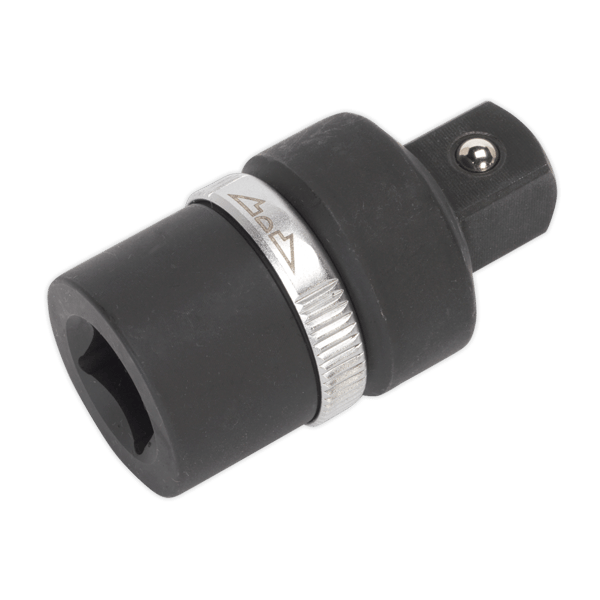 Not yet ratedPremierRatchet Adaptor 3/4"Sq Drive
- 3/4 in. square drive
- Transmits up to 1412 Nm torque
- 24-tooth, 15° engagement
€91.27€92.19€74.20€74.95 -
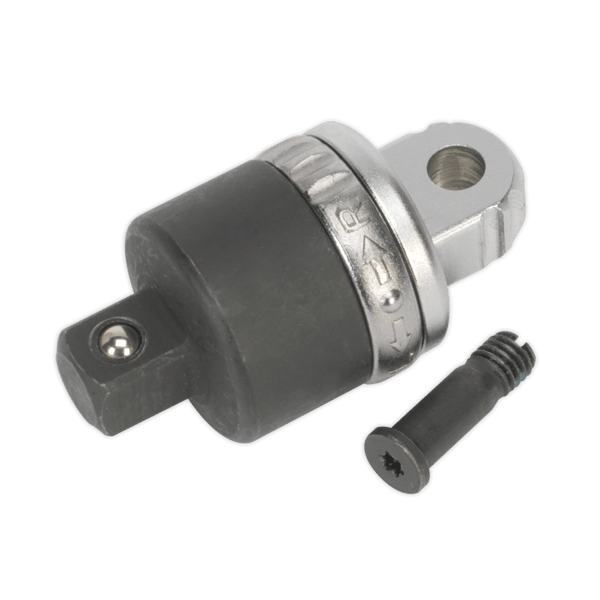 Not yet ratedPremierRatcheting Knuckle Joint for AK7316 1/2"Sq Drive
- 36-tooth ratchet, 10° engagement
- 3-position control ring
€30.38€30.69€24.70€24.95 -
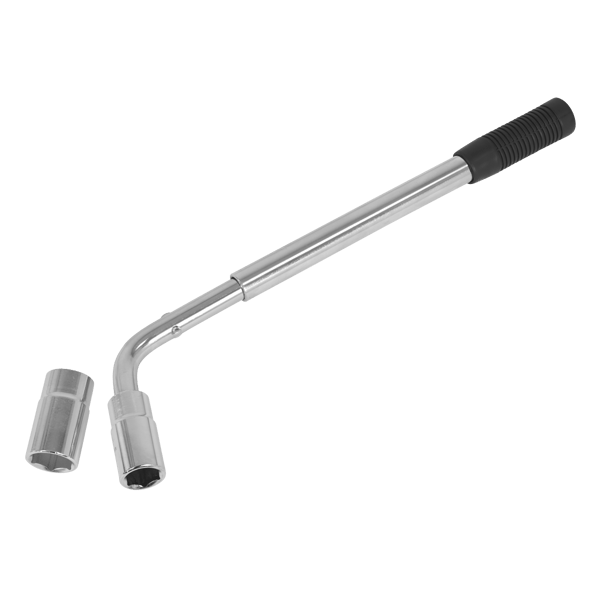 Not yet ratedSiegen ToolsSiegen Extendable L-Bar Wrench Set 1/2"Sq Drive 3pc
- 1/2" Sq Drive, extends 355-520mm
- Steel construction, rubber grip
€30.38€30.69€24.70€24.95 -
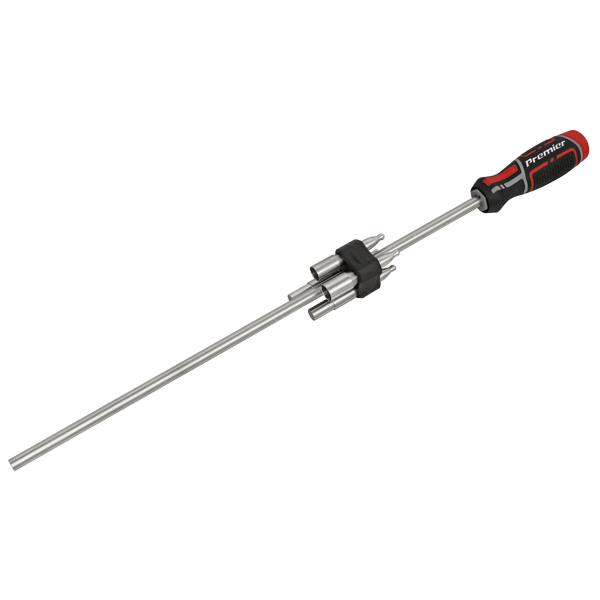 Not yet ratedPremierWheelEazy(TM) Wheel Fitting & Alignment Tool
- 4 CNC-machined adaptor pegs
- Wheels up to 35 kg capacity
€65.39€66.05€53.16€53.70
A fixed breaker bar is simpler—no sliding collar to catch dirt—but you carry multiple lengths or accept the reach you have. Extendable bars collapse for storage and stretch when you need the extra moment, though the locking collar must hold securely under load; check it clicks home before you lean on it. Knuckle joints let you work around obstructions, but they flex slightly under heavy torque, so save them for access problems rather than maximum breakaway force.
Match the square drive to your socket set. Half-inch is standard for car work, general machinery, anything up to about M20 or 3/4" fasteners. Three-quarter drive suits larger commercial vehicle work, agricultural equipment, structural bolts. Ratchet adaptors turn the bar into a low-speed ratchet—useful for running fasteners down once they're cracked loose, though the mechanism adds length and isn't meant for the same breakaway torque as the plain bar.
Bar length dictates torque. A 750 mm bar on a seized M16 bolt delivers serious force; the same bar on a small fastener can snap the head clean off or strip threads. If you're regularly working mixed sizes, an extendable bar or two fixed lengths cover more ground than one very long bar used carefully.
Frequently asked questions
What square drive size do I need for a breaker bar?
Half-inch square drive covers most automotive and machinery fasteners up to about M20 or 3/4". Three-quarter drive suits larger commercial vehicle work, agricultural equipment, and structural bolts. Match the drive to your existing socket set.
Should I buy a fixed or extendable breaker bar?
Fixed breaker bars are simpler with no sliding collar to catch dirt, but you carry multiple lengths or accept the reach you have. Extendable bars collapse for storage and stretch when you need extra leverage, though you must check the locking collar clicks home securely before applying load.
When would I use a knuckle joint on a breaker bar?
Knuckle joints let you work around obstructions when access is tight. They flex slightly under heavy torque, so use them for access problems rather than maximum breakaway force on seized fasteners.
What does a ratchet adaptor do on a breaker bar?
Ratchet adaptors turn the bar into a low-speed ratchet, useful for running fasteners down once they're cracked loose. The mechanism adds length and isn't meant for the same breakaway torque as the plain bar.
How does bar length affect torque on a breaker bar?
Longer bars deliver more force. A 750 mm bar on a seized M16 bolt delivers serious torque, but the same bar on a small fastener can snap the head off or strip threads. If you work mixed sizes regularly, an extendable bar or two fixed lengths cover more ground than one very long bar.