
Hi. What are you looking for? Tell us what you need and we'll get back to you.
Battery Maintenance
Battery maintenance gear keeps workshop, farm, and vehicle batteries topped up and ready. This range covers starter/chargers that crank dead batteries and maintain charge on stored plant, plus solar trickle panels for isolated kit. Sealey units handle 12V and 24V systems — match the amp rating to battery size and how often you're starting cold.
Showing 1–48 of 61 results
-
 Not yet ratedSealey100A Fuse 99 x 20mm - Large
- 100A fuse
- 99 x 20mm
- SuperStart compatible
€6.81€6.89€5.54€5.60 -
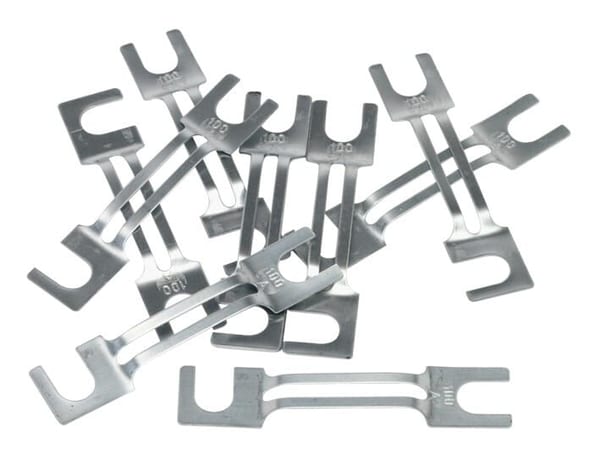 Not yet ratedSealey100A Fuse 99 x 20mm, Large - Pack of 10
- 100A rating, large type
- 99 × 20 mm
- Pack of 10
€51.70€52.21€42.03€42.45 -
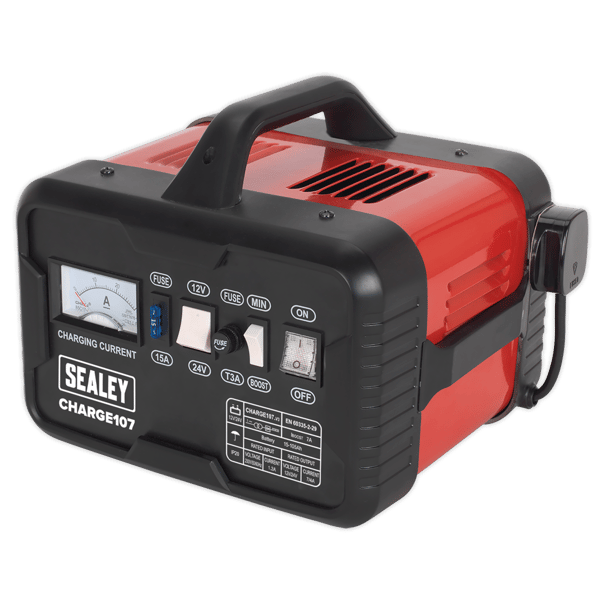 Not yet ratedSealey12/24V Battery Charger 11A 230V
- 12/24V output, 230V input
- 11A peak charge, 2 rates
- Steel case, carry handle
€171.94€173.68€139.79€141.20 -
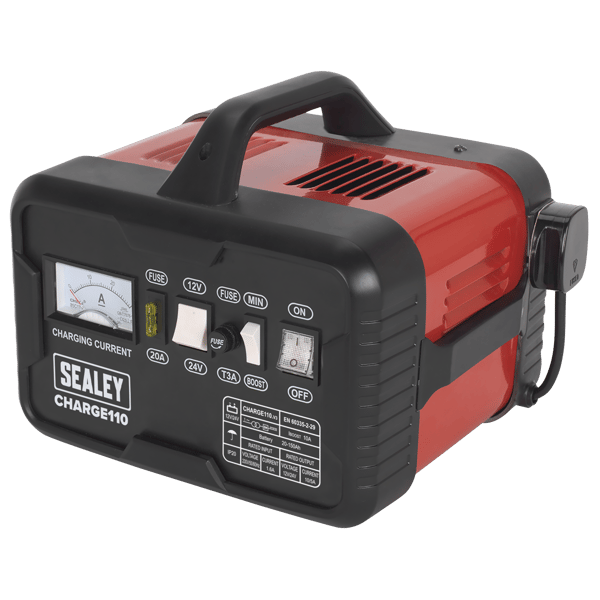 Not yet ratedSealey12/24V Battery Charger 14A 230V
- 12/24V output, 230V supply
- 14A peak charge, 2 rates
- Suits 20-120Ah batteries
€190.21€192.13€154.64€156.20 -
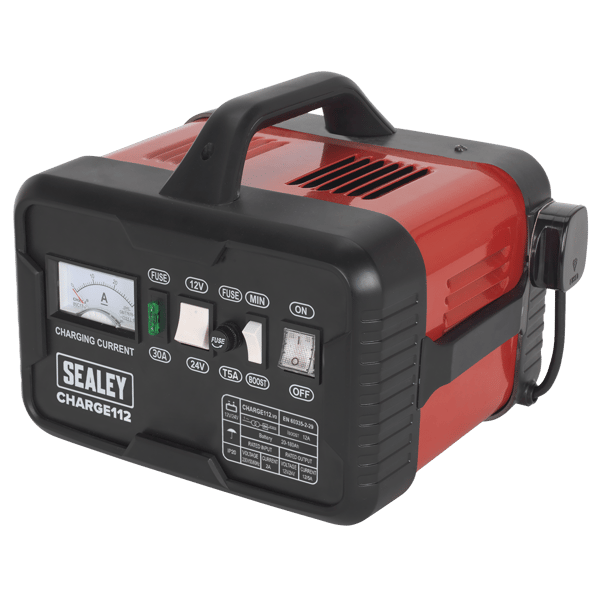 Not yet ratedSealey12/24V Battery Charger 16A 230V
- 12/24V output, 16A peak charge
- Steel case, carry handle
- Polarity protection fuse
€205.42€207.50€167.01€168.70 -
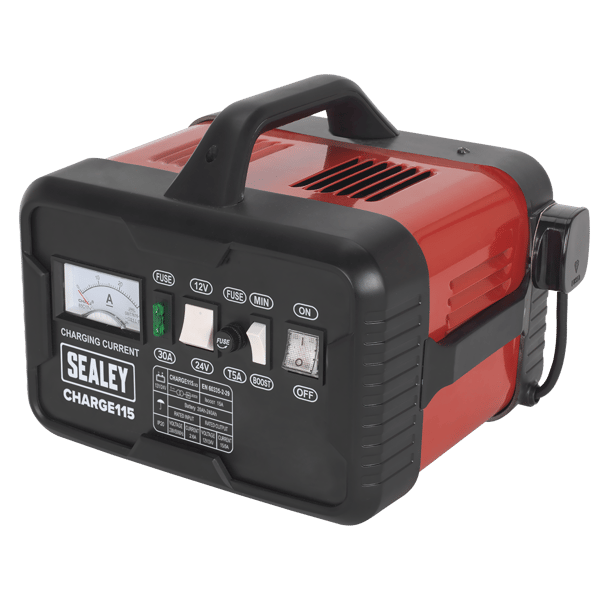 Not yet ratedSealey12/24V Battery Charger 19A 230V
- 12V/24V output, 19A peak charge
- Steel case, carry handle
- Battery range 20-250Ah
€228.26€230.56€185.58€187.45 -
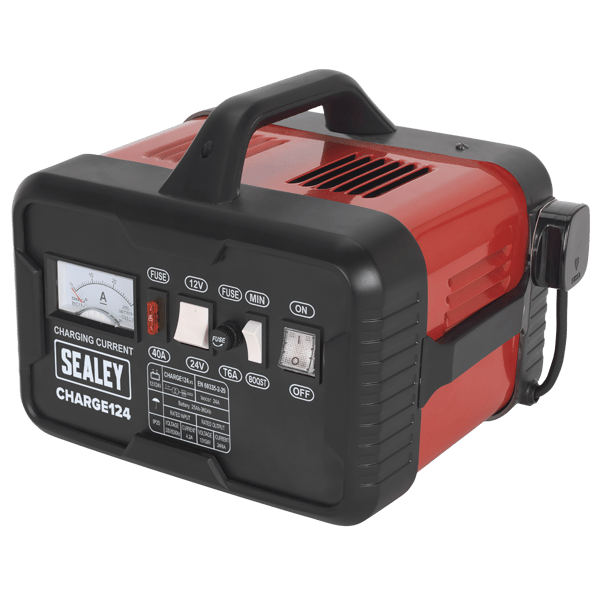 Not yet ratedSealey12/24V Battery Charger 28A 230V
- 12/24V output, 28A peak charge
- Steel case, carry handle
- Battery range 25-320Ah
€266.31€269.00€216.51€218.70 -
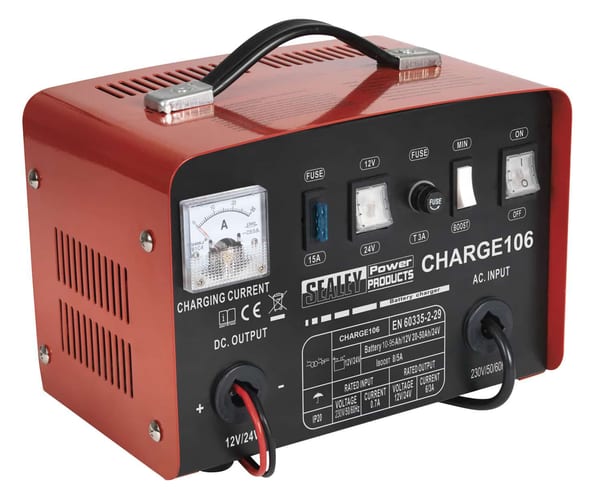 Not yet ratedSealey12/24V Battery Charger 8A 230V
- 12/24V output, 8A peak charge
- Steel case, carry handle
- Polarity protection fuse
€152.15€153.69€123.70€124.95 -
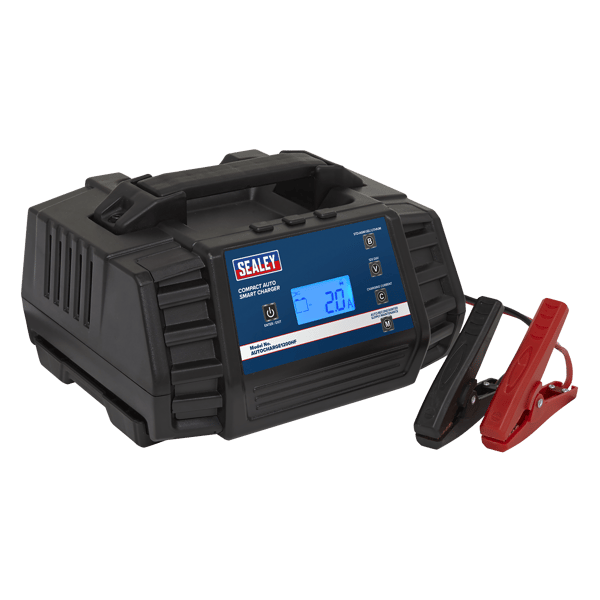 Not yet ratedSealey12/24V Compact Auto Smart Charger & Maintainer 12A
- 12/24V dual voltage output
- Charges 1.3-400Ah batteries
- 12A @ 12V, 6A @ 24V
€190.21€192.13€154.64€156.20 -
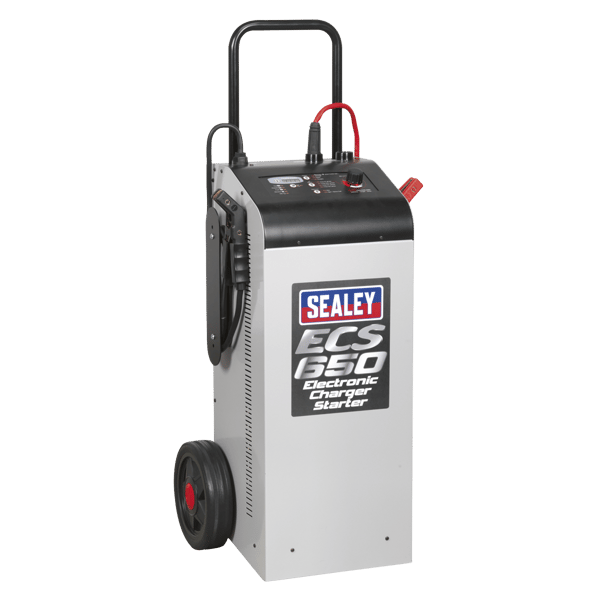 Not yet ratedSealey12/24V Electronic Charger Maintainer/Starter 100/650A
- 12/24V, 100/650A output
- Battery range 4–700Ah
- Ten charge phases + trickle mode
€1,415.52€1,429.81€1,150.83€1,162.45 -
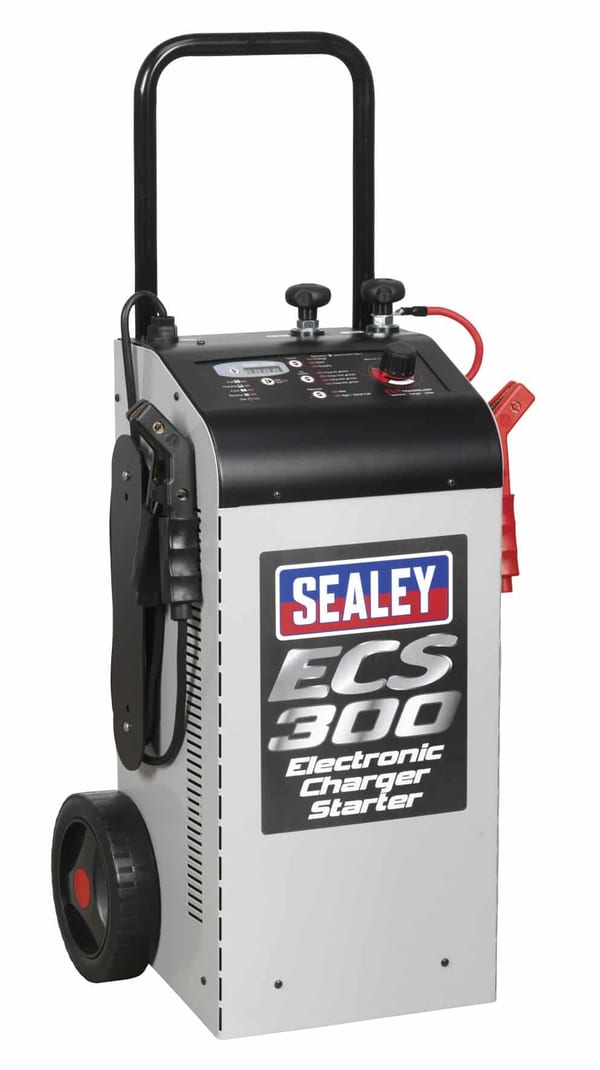 Not yet ratedSealey12/24V Electronic Charger Maintainer/Starter 45/300A
- 12/24V, 45/300A charger/starter
- Battery range 4-350Ah
- Ten analysis & charge phases
€898.00€907.06€730.08€737.45 -
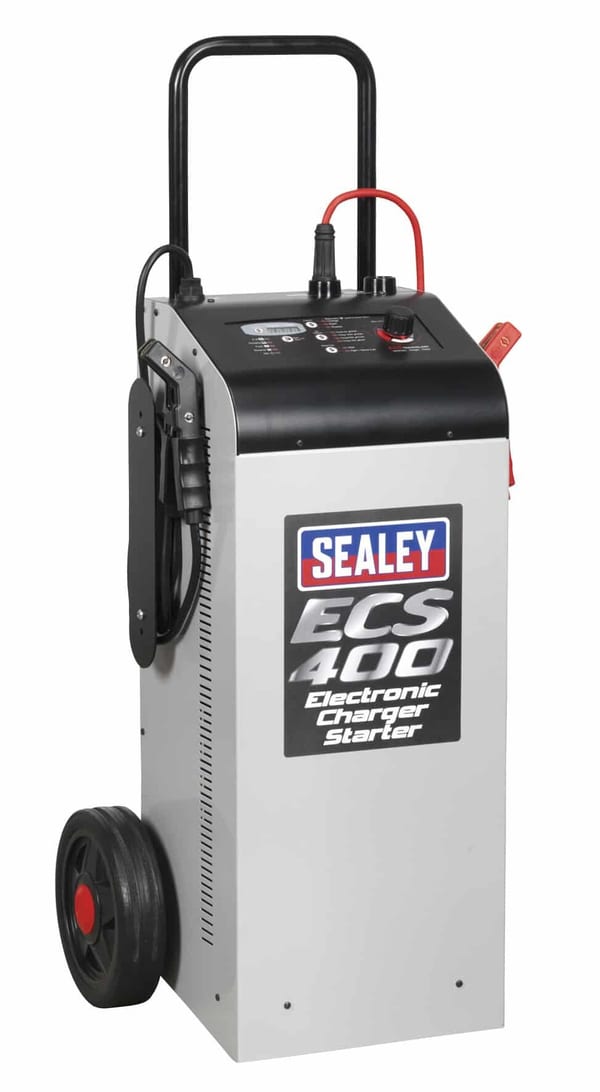 Not yet ratedSealey12/24V Electronic Charger Maintainer/Starter 75/400A
- 12/24V, 75/400A output
- Battery range 4-550Ah
- Up to 10 charge phases
€1,278.52€1,291.44€1,039.45€1,049.95 -
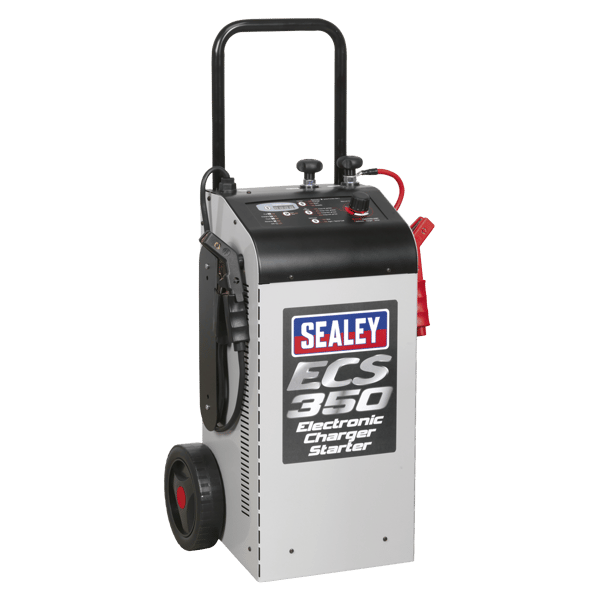 Not yet ratedSealey12/24V Electronic Charger Starter 60/350A
- 12/24V, 60/350A output
- Battery range 4-450Ah
- Ten charge phases + trickle mode
€1,034.98€1,045.44€841.45€849.95 -
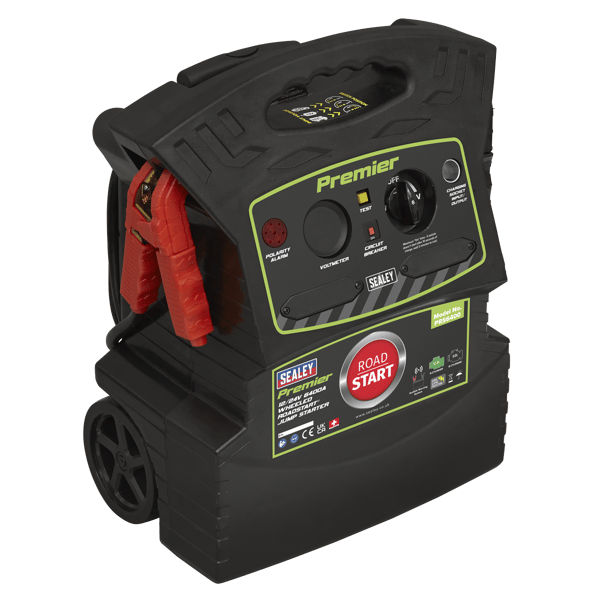 Not yet ratedPremier12/24V Premier RoadStart(R) Jump Starter 6400A
- 66Ah AGM battery, 6400A peak
- 12/24V rotary switch, spark-free
- 1.7 m cable, brass clamps
€2,176.58€2,198.56€1,769.58€1,787.45 -
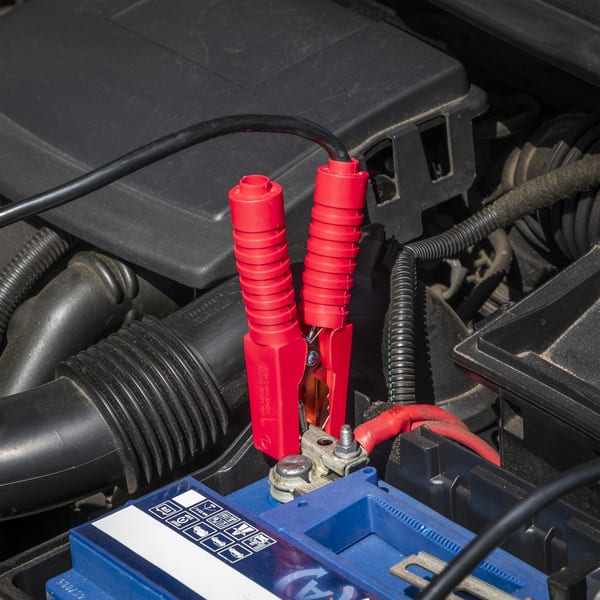 Not yet ratedSealey12/24V Starter 200A/Automatic Battery Charger 60A
- 200A peak engine start (12V)
- Charges 10–600Ah batteries
- 12/24V, 3 charge rates each
€532.69€538.06€433.08€437.45 -
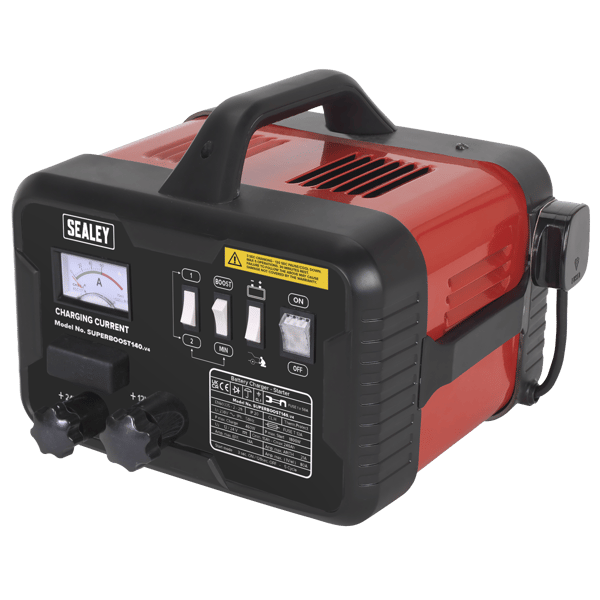 Not yet ratedSealey12/24V Starter/Charger 140/21A 230V
- 140A peak start / 21A charge
- 12/24V dual output
- Suitable 15-240Ah batteries
€319.59€322.81€259.83€262.45 -
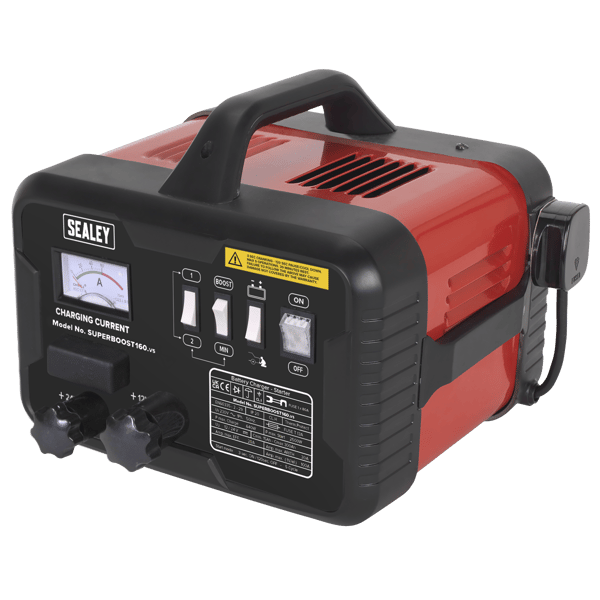 Not yet ratedSealey12/24V Starter/Charger 160/30Amp 230V
- 160A start / 30A charge peak
- 12/24V output, 230V input
- Battery range 15-300Ah
€350.03€353.56€284.58€287.45 -
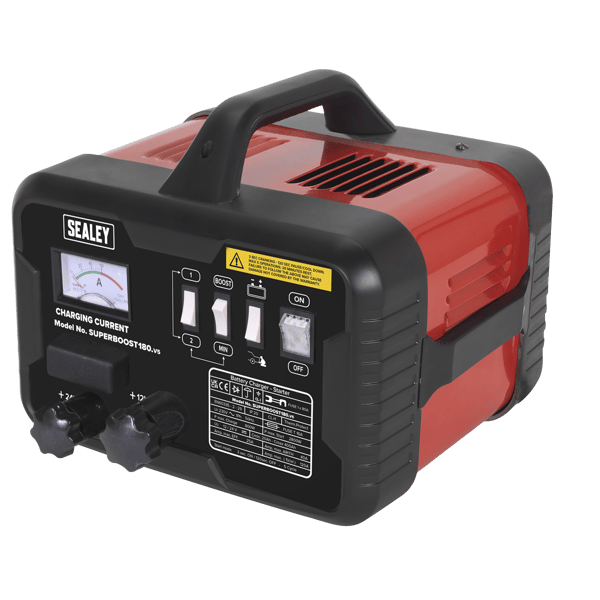 Not yet ratedSealey12/24V Starter/Charger 180/40A 230V
- 180A start / 40A charge output
- 12/24V dual output
- Battery range 20-400Ah
€380.48€384.31€309.33€312.45 -
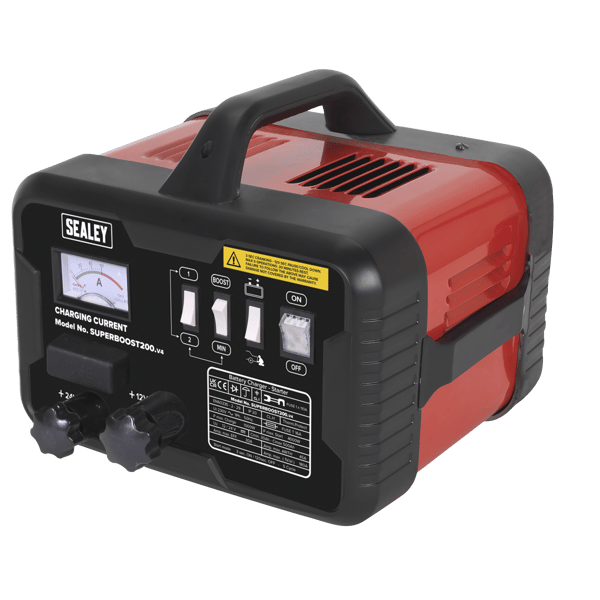 Not yet ratedSealey12/24V Starter/Charger 200/45A 230V
- 200A peak start, 45A charge
- 12/24V dual output
- Battery range 30–500Ah
€410.92€415.06€334.08€337.45 -
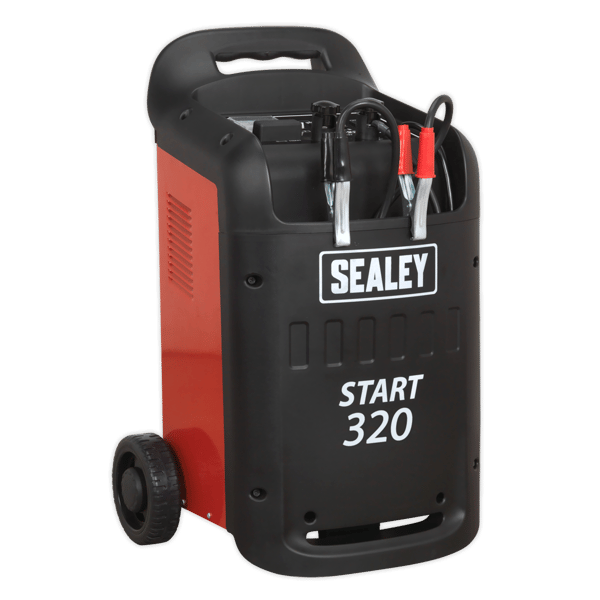 Not yet ratedSealey12/24V Starter/Charger 320/45A 230V
- 12/24V output, 230V input
- Start 320A / Charge 45A
- Battery range 30–500Ah
€433.75€438.13€352.64€356.20 -
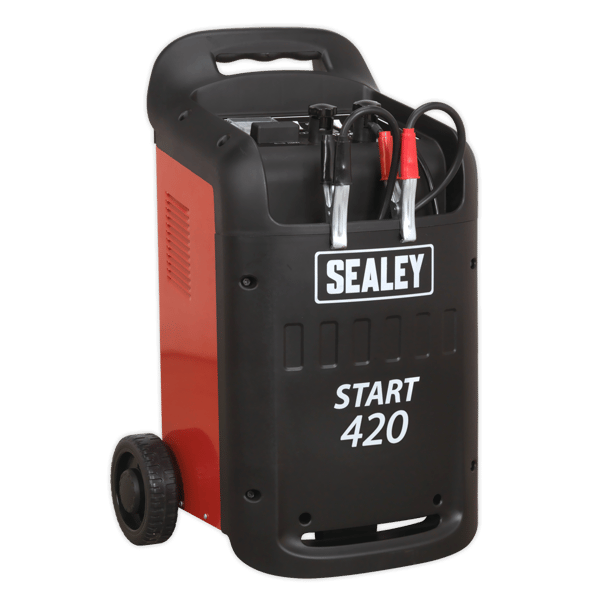 Not yet ratedSealey12/24V Starter/Charger 420/60A 230V
- 12/24V output, 230V supply
- 420A start / 60A charge peak
- Battery range 30-700Ah
€471.80€476.56€383.58€387.45 -
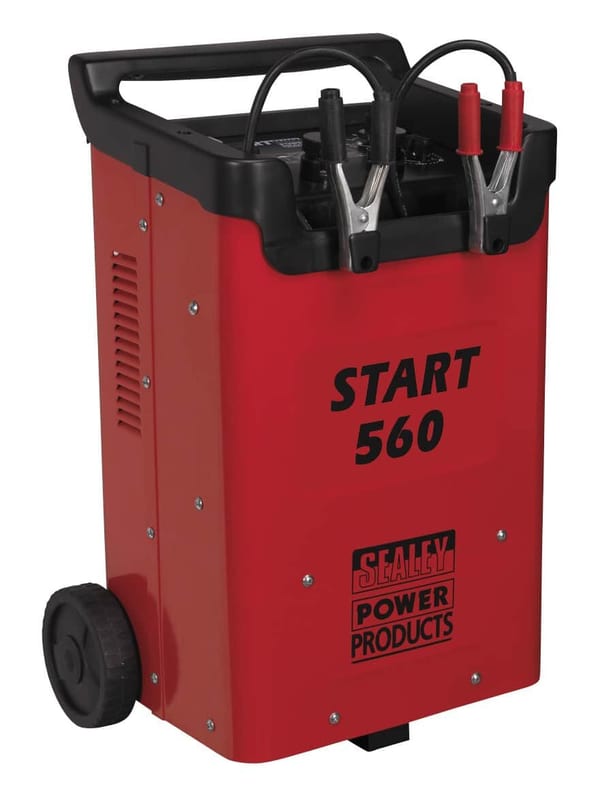 Not yet ratedSealey12/24V Starter/Charger 560/95A 230V
- Battery range 50–1000Ah
- 2.1m cable + clamp, large wheels
€517.46€522.69€420.70€424.95 -
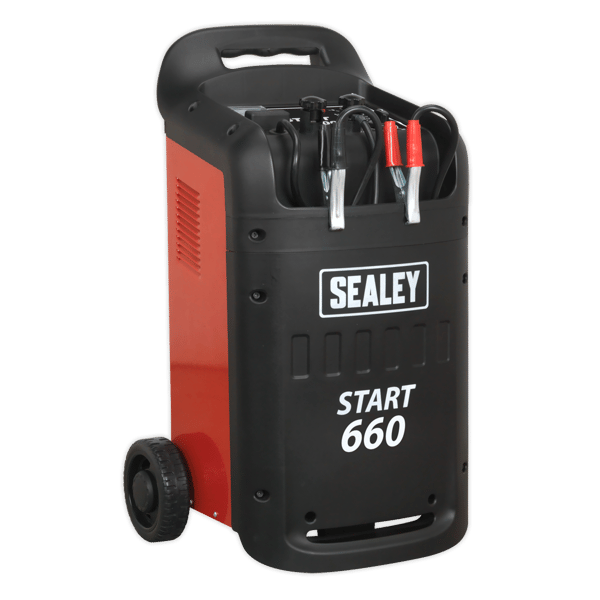 Not yet ratedSealey12/24V Starter/Charger 660/100A 230V
- 660A starting, 100A charging
- 12/24V output, 230V supply
- Battery range 50–1200Ah
€563.13€568.81€457.83€462.45 -
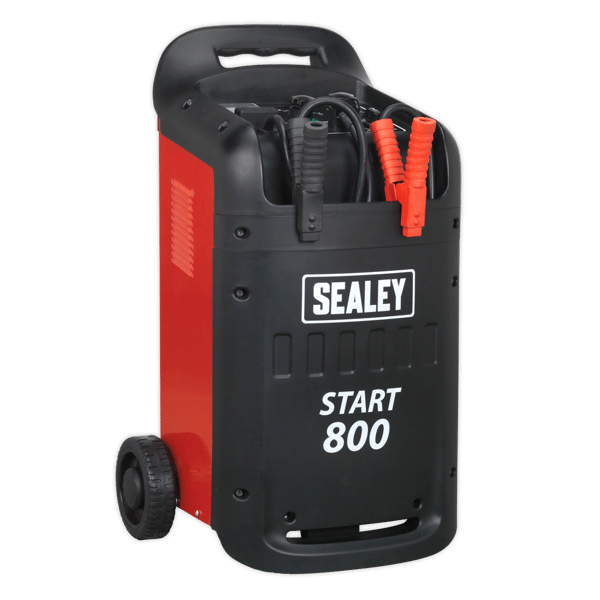 Not yet ratedSealey12/24V Starter/Charger 800/110A 400V
- Battery range 20-1200Ah
- Analogue ammeter, large wheels
€1,171.98€1,183.81€952.83€962.45 -
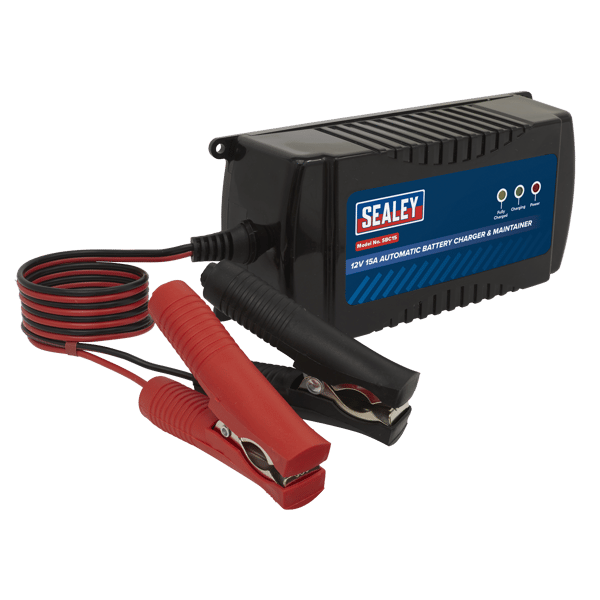 Not yet ratedSealey12V Automatic Battery Charger & Maintainer 15A
- 12V, 15A output, 3-stage charger
- 1 m charging cable + clamps
€152.15€153.69€123.70€124.95 -
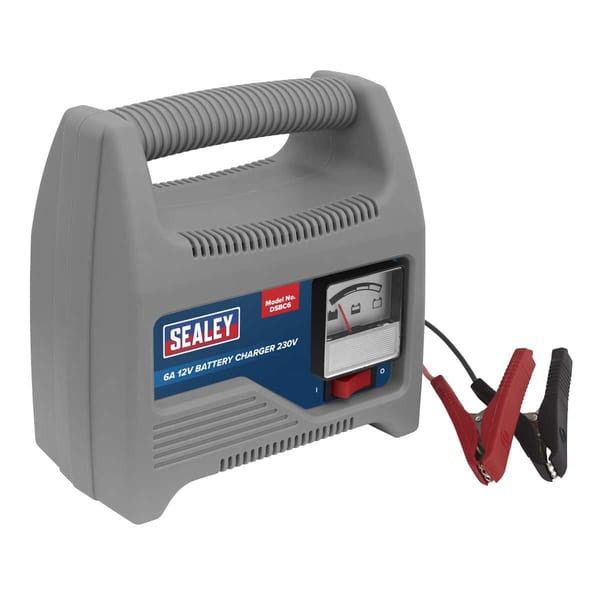 Not yet ratedSealey12V Battery Charger 6A 230V
- 12V lead acid, 12–60Ah
- 4.2A effective output charge
- 1.4m cable, insulated clamps
€59.30€59.90€48.21€48.70 -
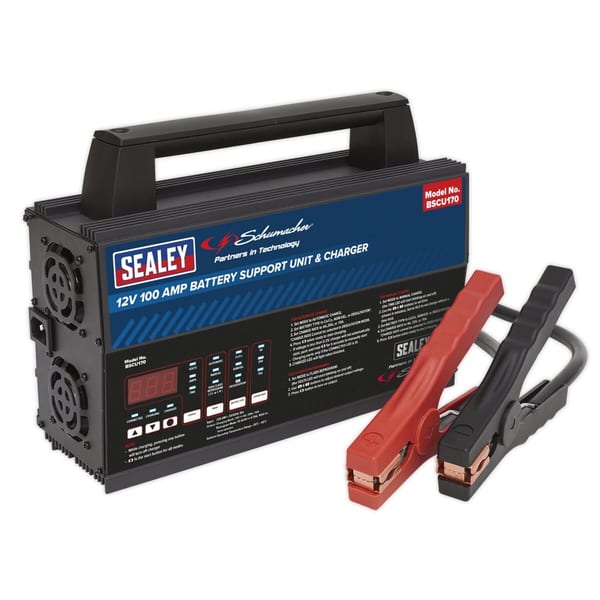 Not yet ratedSealey12V Battery Support Unit & Charger 100A
- 100A max, 70A continuous output
- 12V, 5–1,000Ah battery range
- 13–14.8V selectable, 5m cable
€1,263.31€1,276.06€1,027.08€1,037.45 -
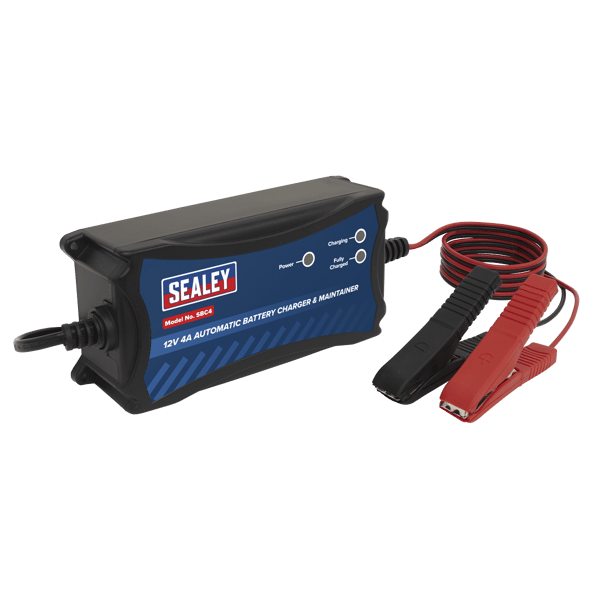 Not yet ratedSealey12V Fully Automatic Battery Maintainer/Charger 4A
- 12V, 4A output, 3-stage charger
- 1m cable + clamp, IP33
€62.35€62.98€50.69€51.20 -
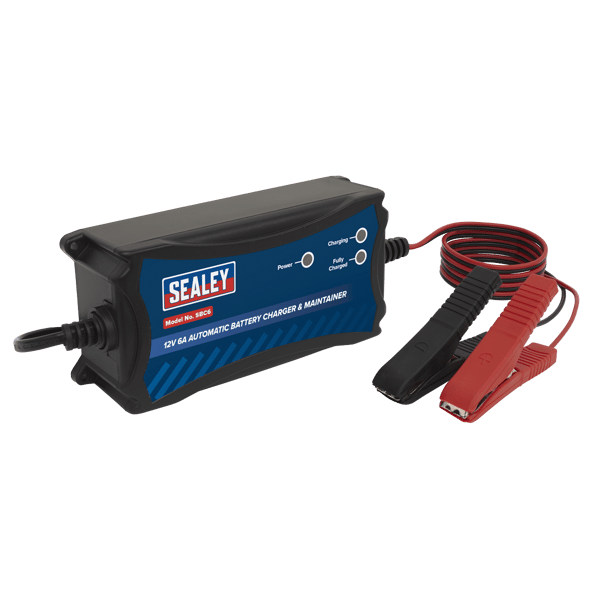 Not yet ratedSealey12V Fully Automatic Battery Maintainer/Charger 6A
- 12V, 6A output, 3-stage charger
- 1 m cable, 40-100 Ah range
€68.44€69.13€55.64€56.20 -
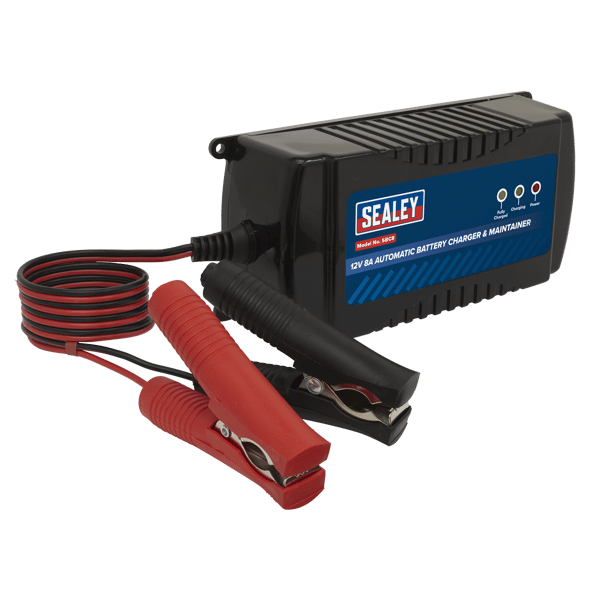 Not yet ratedSealey12V Fully Automatic Battery Maintainer/Charger 8A
- 12V, 8A output, 3-stage charging
- VRLA, GEL, AGM/EFB battery types
- 1m cable + clamp, IP33 rated
€106.49€107.56€86.58€87.45 -
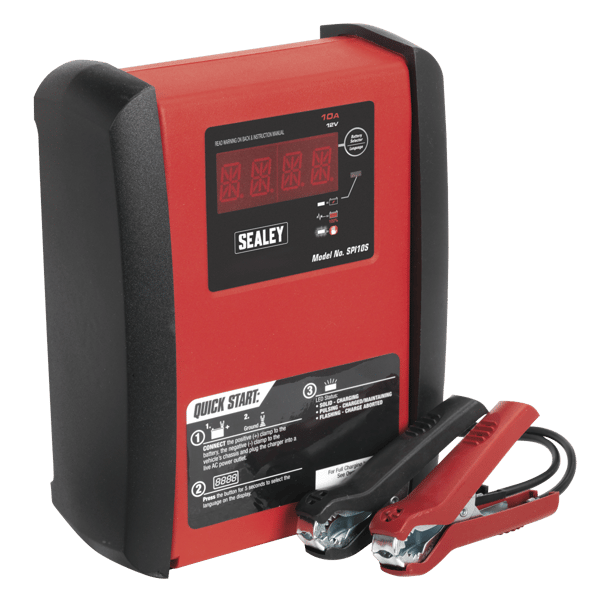 Not yet ratedSealey12V Intelligent Speed Charge Battery Charger/Maintainer 10A
- 12V 10A output
- Charges up to 3× faster
- Fits 10-230Ah lead acid
€197.82€199.81€160.83€162.45 -
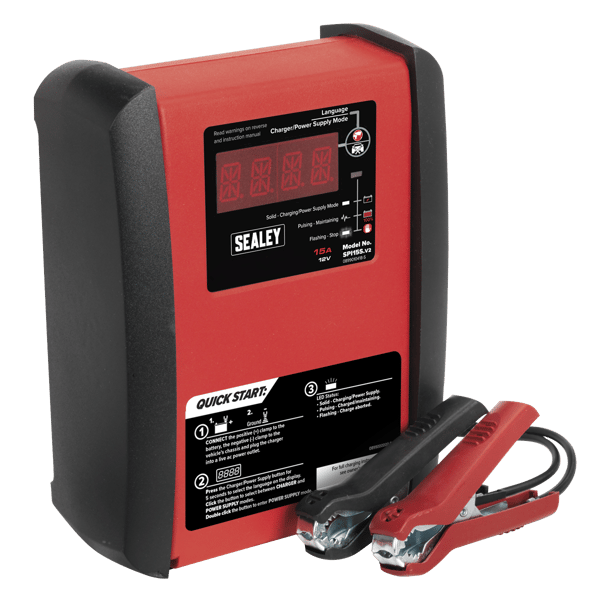 Not yet ratedSealey12V Intelligent Speed Charge Battery Charger/Maintainer 15A
- 12V, 15A output, 230V supply
- 2m cable, IP20 rated
€225.21€227.49€183.10€184.95 -
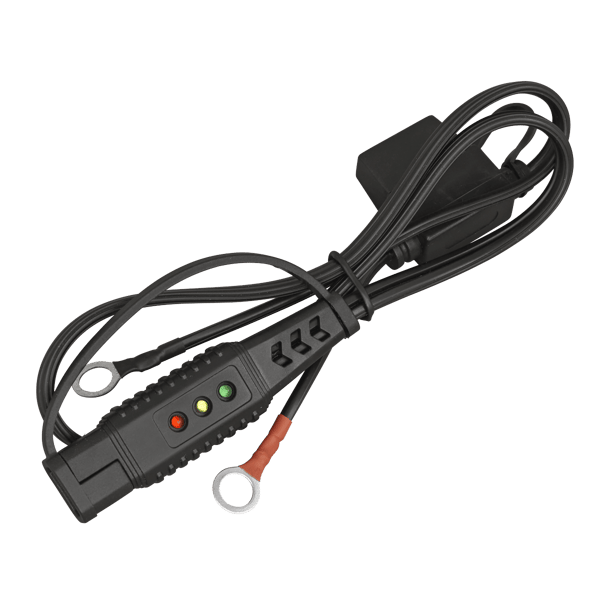 Not yet ratedSealey12V Ring Terminal Battery Indicator Cable
- 3 LED battery status indicators
- 15A replaceable in-line fuse
- 700 mm cable length
€23.57€23.80€19.16€19.35 -
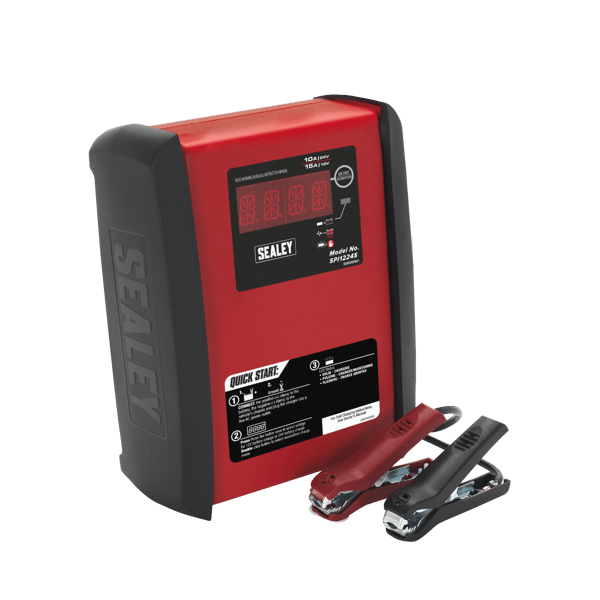 Not yet ratedSealey12V/15A 24V/10A Intelligent Speed Charge Battery Charger/Maintainer
- 12V/15A, 24V/10A output
- Lead Acid 40-230Ah range
- Reverse polarity protection
€243.48€245.94€197.95€199.95 -
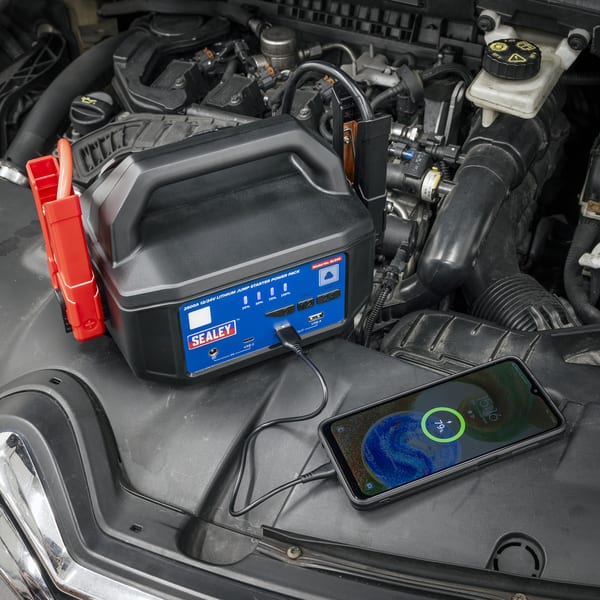 Not yet ratedSealey2500A 12/24V Lithium Jump Starter Power Pack
- 2500A peak output, 12/24V
- Lithium-ion, 36,400mAh battery
- Force start from 0V batteries
€532.69€538.06€433.08€437.45 -
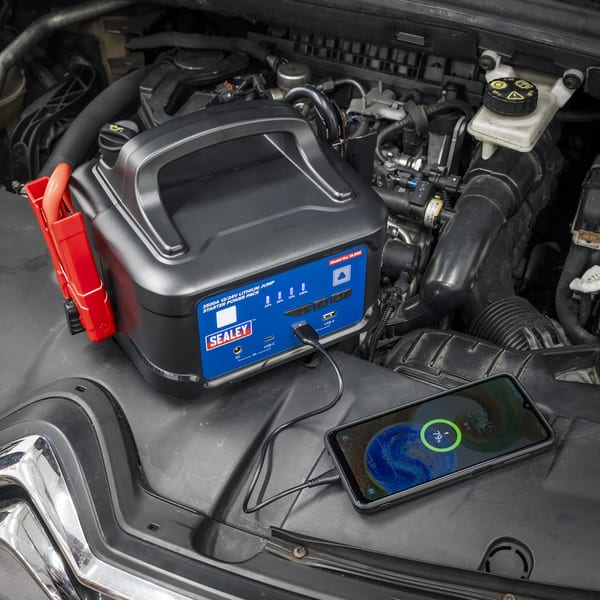 Not yet ratedSealey3500A 12/24V Lithium Jump Starter Power Pack
- 3500A peak output, 12/24V
- 122,500mAh lithium-ion battery
- Force start from 0V, up to 560hp
€684.90€691.81€556.83€562.45 -
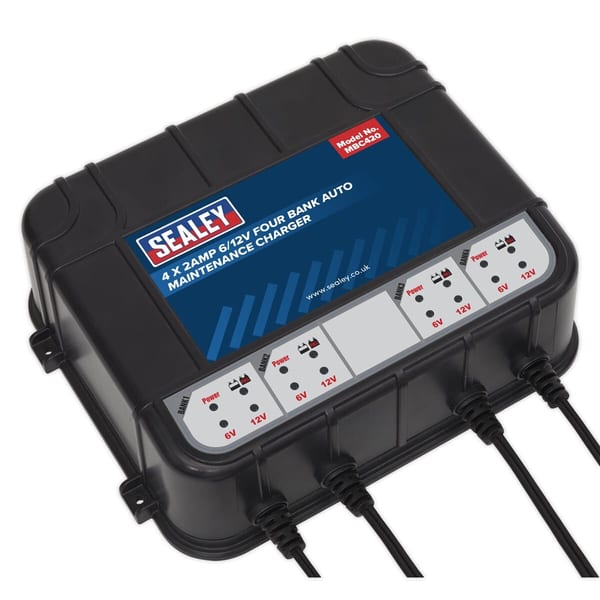 Not yet ratedSealey6/12V 4 Bank Auto Maintenance Charger 8A (4 x 2A)
- 4 bank charger, 4 x 2A output
- 6/12V, AGM/Gel/VRLA compatible
- 2m cable, SAE connectors
€197.82€199.81€160.83€162.45 -
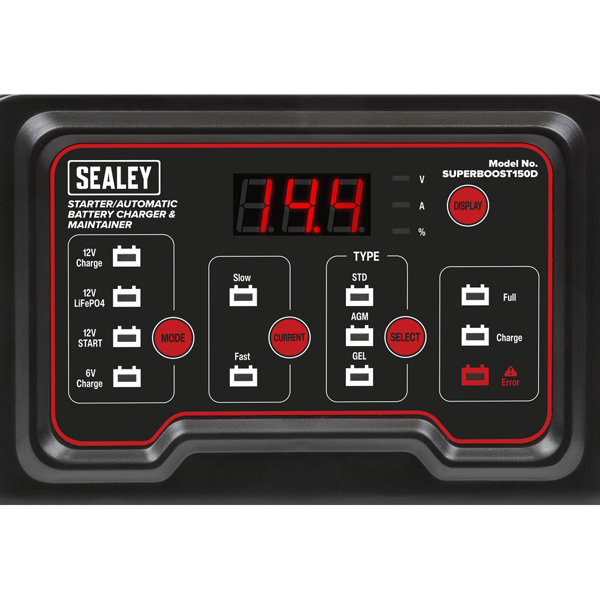 Not yet ratedSealey6/12V Automatic Battery Charger & Maintainer 150A Starter/15A
- 150A peak engine start function
- Charges 30-300Ah batteries
- AGM, GEL, lead acid, LiFePO4
€304.36€307.44€247.45€249.95 -
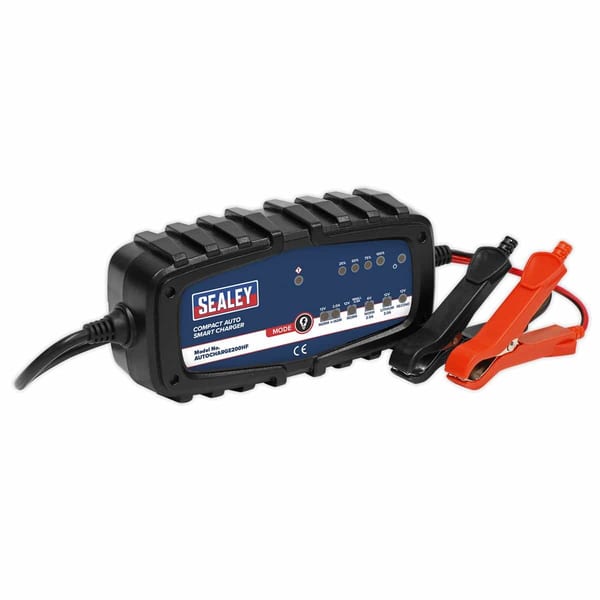 Not yet ratedSealey6/12V Compact Auto Smart Charger & Maintainer 2A
- 6/12V dual voltage output
- 2A charge rate
- 1.3-60Ah battery range
€79.09€79.89€64.30€64.95 -
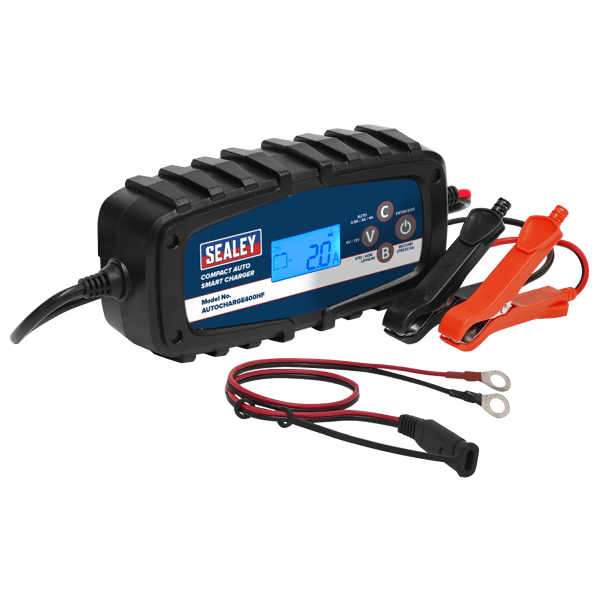 Not yet ratedSealey6/12V Compact Auto Smart Charger & Maintainer 4A
- 6/12V dual voltage, 4A output
€94.32€95.26€76.68€77.45 -
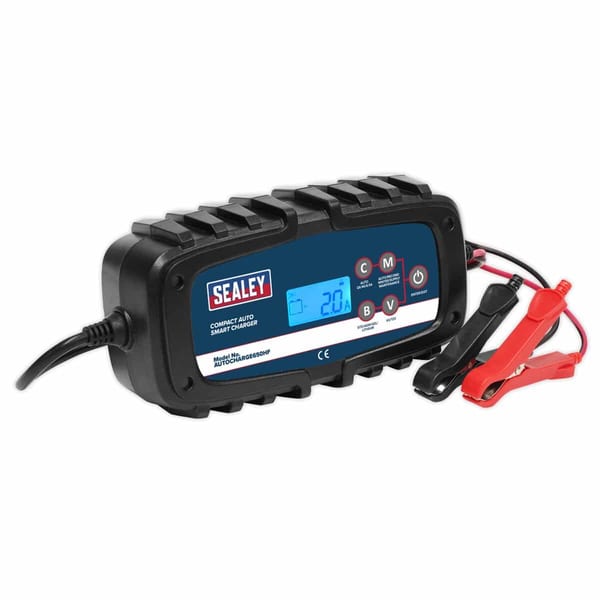 Not yet ratedSealey6/12V Compact Auto Smart Charger & Maintainer 6.5A
- 6/12V output, 6.5A charge
- Charges EFB, AGM/GEL, Lithium
- Battery range 1.3–200Ah
€124.76€126.01€101.43€102.45 -
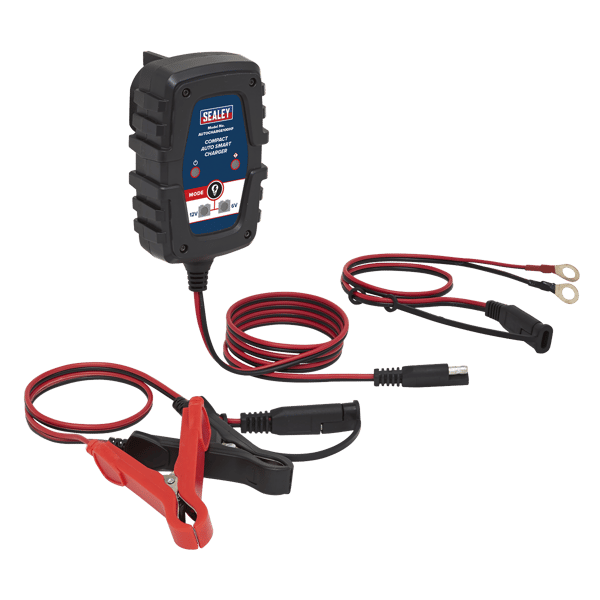 Not yet ratedSealey6/12V Compact Smart Trickle Charger & Maintainer 1A
- 6/12V dual voltage output
- 1A charge rate
- 0.8-14Ah battery range
€49.43€49.94€40.19€40.60 -

-
 Not yet ratedSealey80A Fuse 40 x 11mm - Pack of 20
- 80A rating, 40 × 11 mm
- Pack of 20
- Fits SuperBoost, SuperStart, ECS
€36.47€36.84€29.65€29.95 -
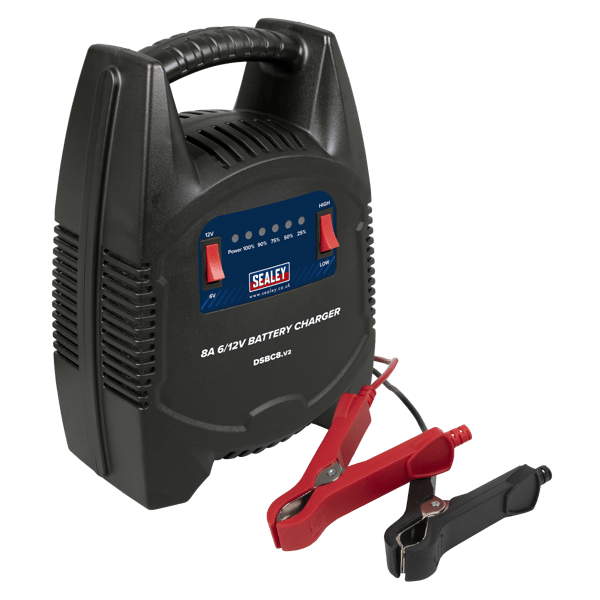 Not yet ratedSealey8A 6/12V Battery Charger 230V
- 6/12V lead acid, 20-80Ah
- 5.6A effective output charge
- 1.4m cable, insulated clamps
€86.70€87.58€70.49€71.20 -
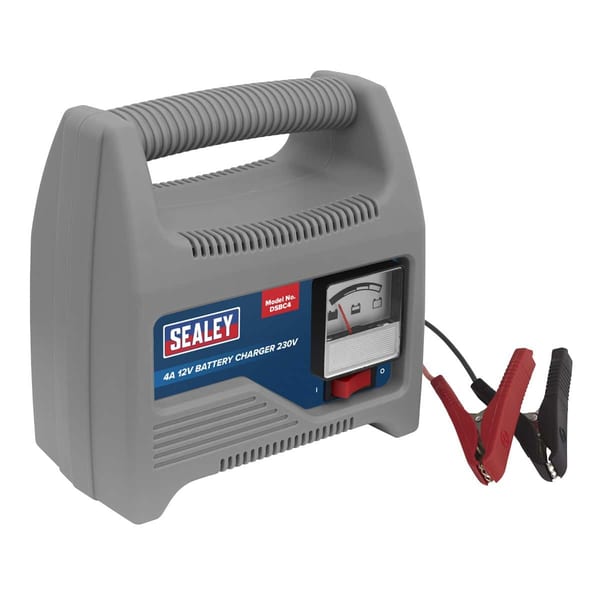 Not yet ratedSealeyBattery Charger 12V 4A 230V
- 12V lead acid, 12-60Ah
- 4A peak / 2.8A effective output
- LED indicator, 1.4m cable
€50.17€50.68€40.79€41.20 -
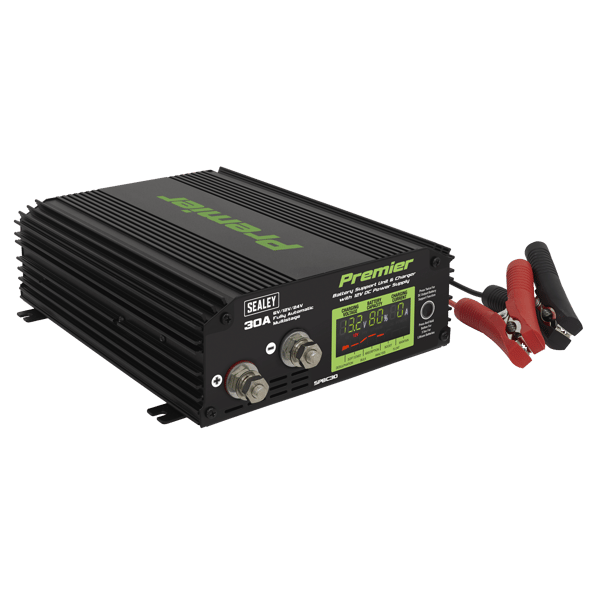 Not yet ratedPremierBattery Support Unit Charger & Maintainer 30A
- 7-stage charger, 6/12/24V auto
- 30A @ 6/12V, 16A @ 24V output
- Zero volt + sulfation repair
€456.58€461.19€371.20€374.95 -
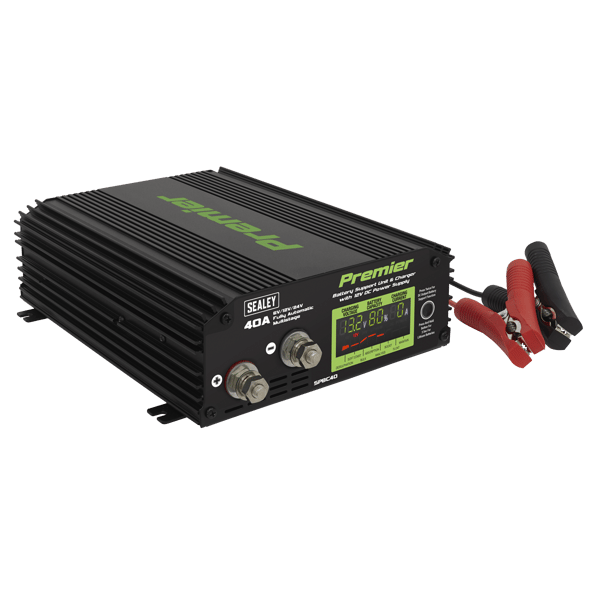 Not yet ratedPremierBattery Support Unit Charger & Maintainer 40A
- 40A output (21A @ 24V)
- Zero volt + sulfation repair
- EFB, AGM, GEL, lithium capable
€608.79€614.94€494.95€499.95
Starter/chargers combine jump-start power with trickle or float maintenance. The first number is cranking amps for cold starts, the second is charging current. A 140/21A unit handles car and light van batteries; 560/95A is for HGV, agricultural, or multiple batteries in series. Higher cranking amps mean faster starts on big diesels in cold weather, but you'll need a 16A or 32A socket to run the larger models.
Check the duty cycle if you're using it daily. Continuous-rated chargers can sit on a battery indefinitely; intermittent-rated units need cooling breaks between starts. Most Sealey starter/chargers switch automatically between charge and maintenance modes once the battery reaches voltage, so you can leave them connected on seasonal machinery without overcharging.
Solar panels suit remote equipment — trailers, caravans, gate motors — where mains isn't practical. A 4.8W panel offsets parasitic drain on a typical 12V leisure or starter battery. The watertight hardwired connectors let you fit them permanently without drilling large holes. Solar works as long as there's daylight; it won't recover a flat battery quickly, but it stops a good one going flat over winter.
Replacement fuses are listed by model. The 110A fuse on the START560 can blow during repeated heavy cranking — keep spares if you're running a busy workshop or doing roadside callouts. Standard 50A fuses fit the smaller units. Match fuse rating to the charger spec; uprating a fuse to avoid nuisance blowing will damage the transformer.