
Hi. What are you looking for? Tell us what you need and we'll get back to you.
Battery Chargers & Starters
Battery chargers and starters cover everything from maintaining a car battery over winter to getting a flat fleet vehicle running again. You'll find trickle chargers for seasonal storage, smart chargers that handle AGM and gel cells, and jump starters — both traditional booster packs and compact lithium units. If you're working on multiple vehicles or need portable power beyond starting, check the subcategories for maintenance gear, cables, and inverters.
Showing 1–48 of 94 results
-
 Not yet ratedSealey100A Fuse 99 x 20mm - Large
- 100A fuse
- 99 x 20mm
- SuperStart compatible
€6.81€6.89€5.54€5.60 -
 Not yet ratedSealey100A Fuse 99 x 20mm, Large - Pack of 10
- 100A rating, large type
- 99 × 20 mm
- Pack of 10
€51.70€52.21€42.03€42.45 -
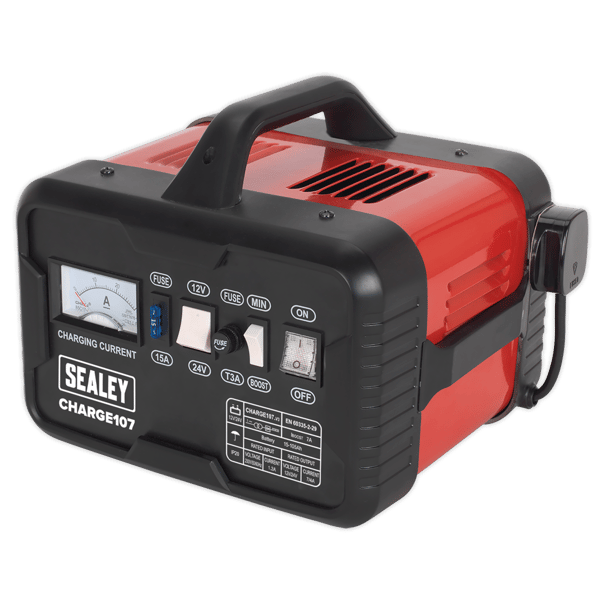 Not yet ratedSealey12/24V Battery Charger 11A 230V
- 12/24V output, 230V input
- 11A peak charge, 2 rates
- Steel case, carry handle
€171.94€173.68€139.79€141.20 -
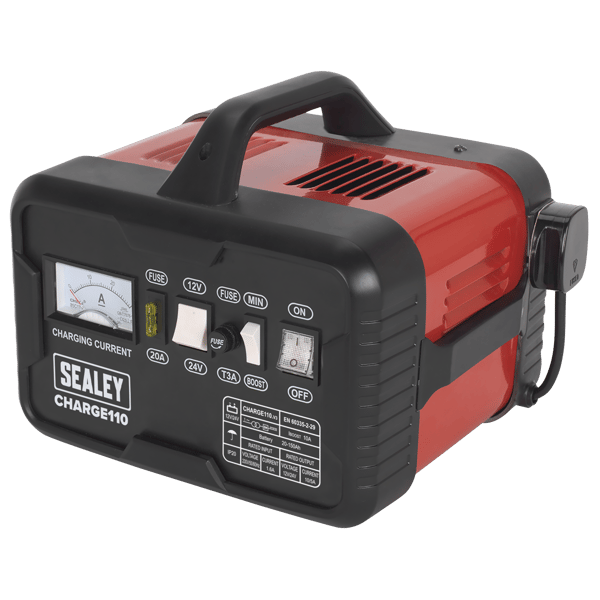 Not yet ratedSealey12/24V Battery Charger 14A 230V
- 12/24V output, 230V supply
- 14A peak charge, 2 rates
- Suits 20-120Ah batteries
€190.21€192.13€154.64€156.20 -
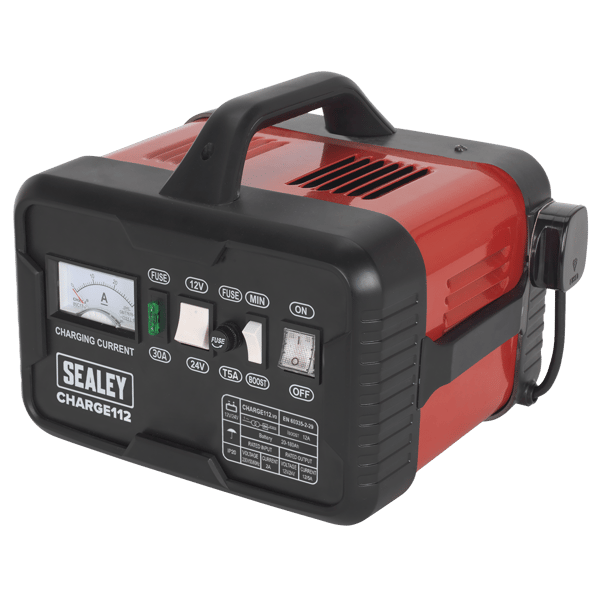 Not yet ratedSealey12/24V Battery Charger 16A 230V
- 12/24V output, 16A peak charge
- Steel case, carry handle
- Polarity protection fuse
€205.42€207.50€167.01€168.70 -
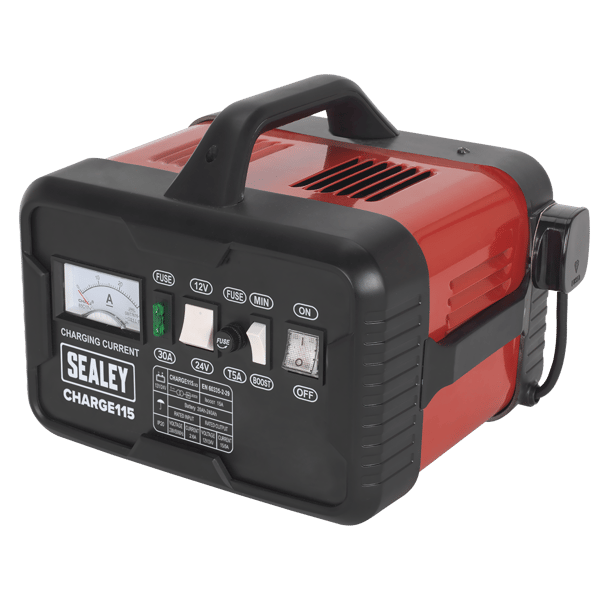 Not yet ratedSealey12/24V Battery Charger 19A 230V
- 12V/24V output, 19A peak charge
- Steel case, carry handle
- Battery range 20-250Ah
€228.26€230.56€185.58€187.45 -
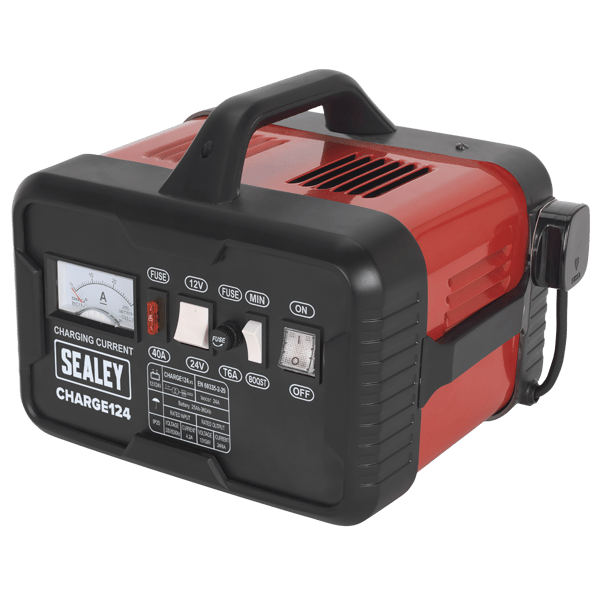 Not yet ratedSealey12/24V Battery Charger 28A 230V
- 12/24V output, 28A peak charge
- Steel case, carry handle
- Battery range 25-320Ah
€266.31€269.00€216.51€218.70 -
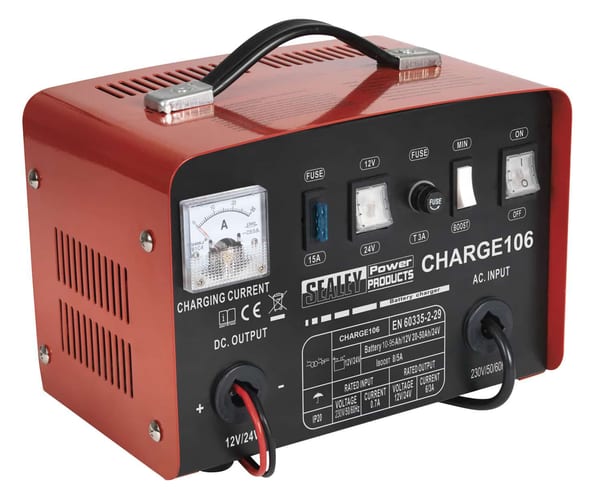 Not yet ratedSealey12/24V Battery Charger 8A 230V
- 12/24V output, 8A peak charge
- Steel case, carry handle
- Polarity protection fuse
€152.15€153.69€123.70€124.95 -
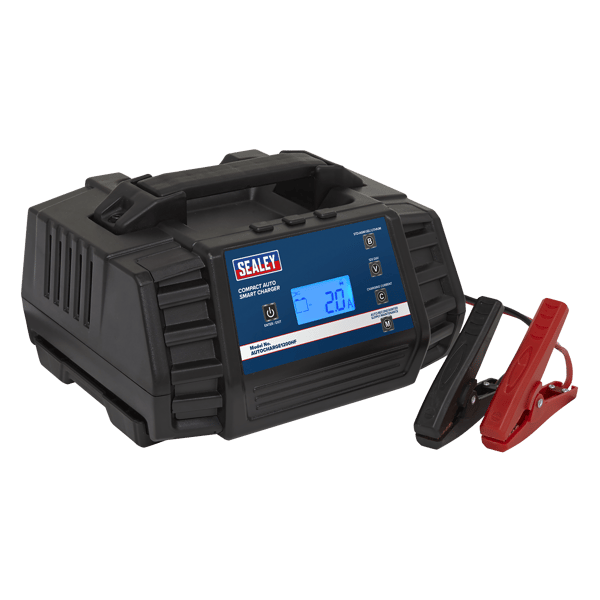 Not yet ratedSealey12/24V Compact Auto Smart Charger & Maintainer 12A
- 12/24V dual voltage output
- Charges 1.3-400Ah batteries
- 12A @ 12V, 6A @ 24V
€190.21€192.13€154.64€156.20 -
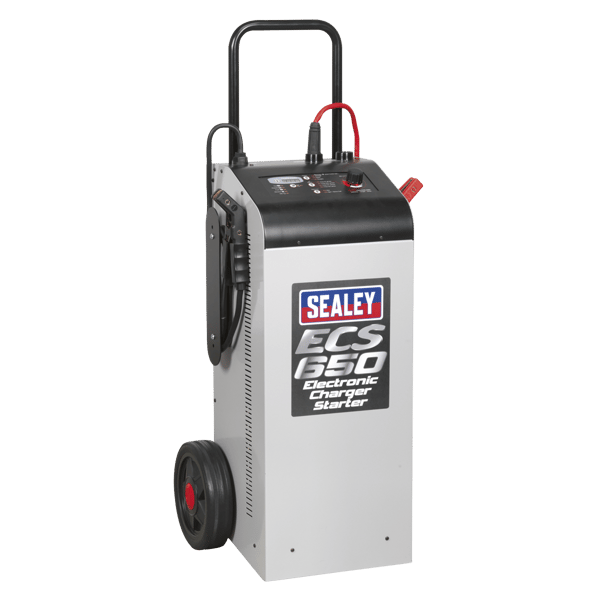 Not yet ratedSealey12/24V Electronic Charger Maintainer/Starter 100/650A
- 12/24V, 100/650A output
- Battery range 4–700Ah
- Ten charge phases + trickle mode
€1,415.52€1,429.81€1,150.83€1,162.45 -
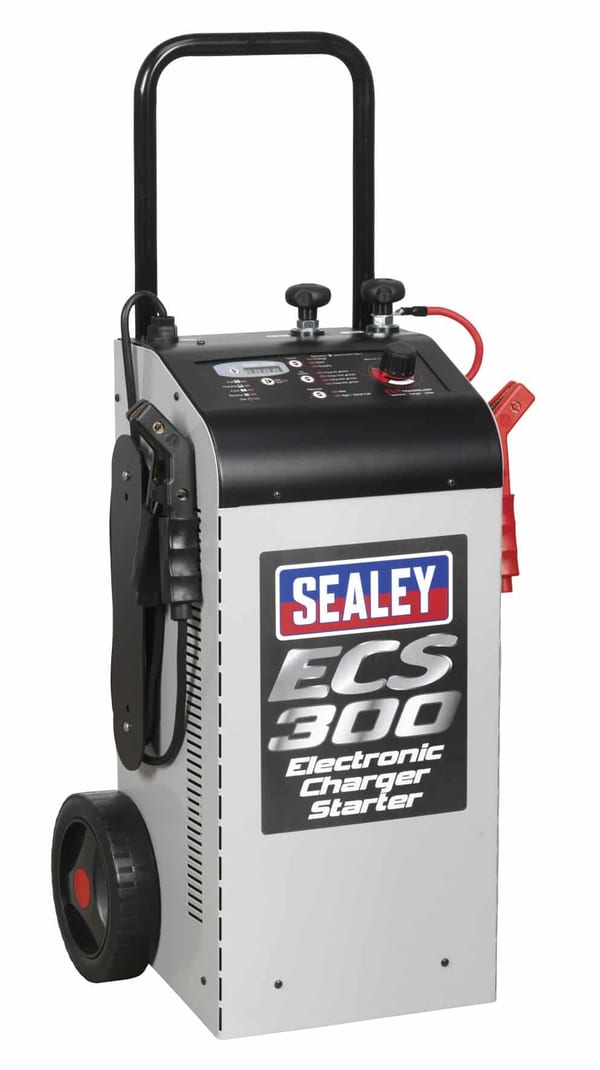 Not yet ratedSealey12/24V Electronic Charger Maintainer/Starter 45/300A
- 12/24V, 45/300A charger/starter
- Battery range 4-350Ah
- Ten analysis & charge phases
€898.00€907.06€730.08€737.45 -
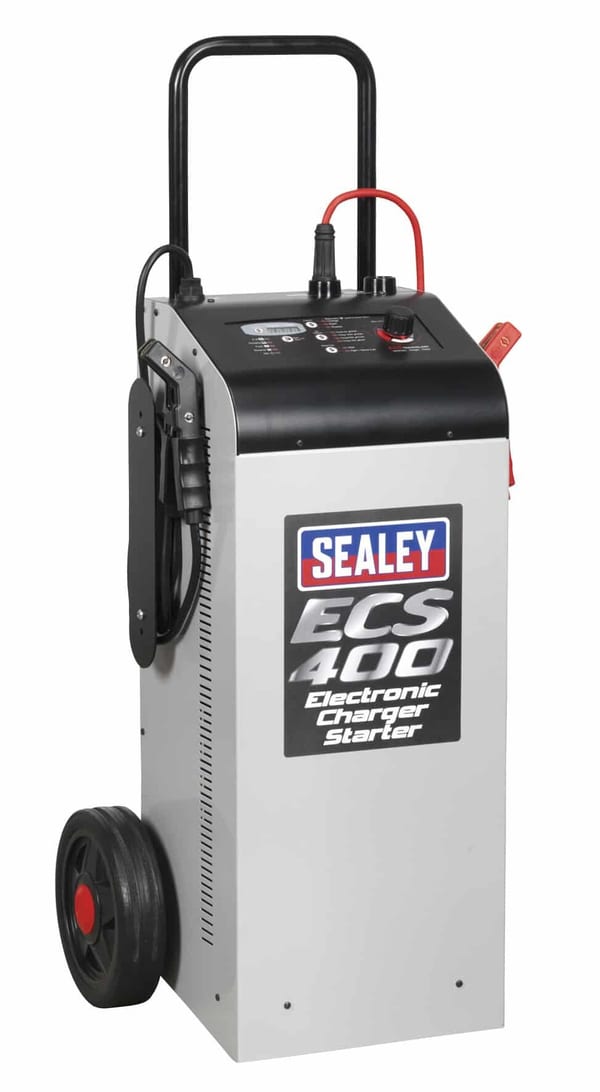 Not yet ratedSealey12/24V Electronic Charger Maintainer/Starter 75/400A
- 12/24V, 75/400A output
- Battery range 4-550Ah
- Up to 10 charge phases
€1,278.52€1,291.44€1,039.45€1,049.95 -
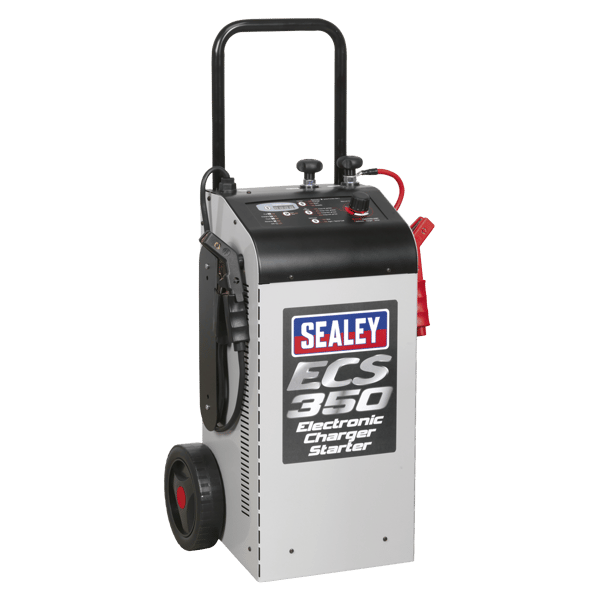 Not yet ratedSealey12/24V Electronic Charger Starter 60/350A
- 12/24V, 60/350A output
- Battery range 4-450Ah
- Ten charge phases + trickle mode
€1,034.98€1,045.44€841.45€849.95 -
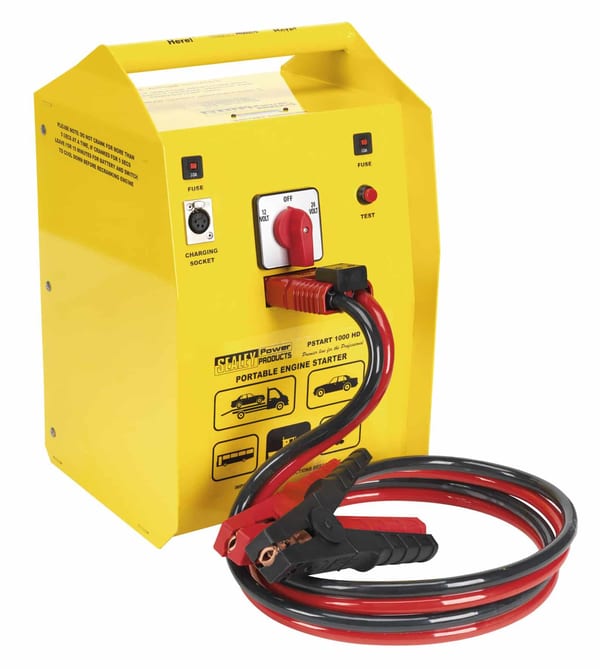 Not yet ratedSealey12/24V Emergency Heavy-Duty Jump Starter 1000hp Start
- 12/24V, 7000A/3500A peak
- 2m × 35mm² copper cables
€3,653.04€3,689.94€2,969.95€2,999.95 -
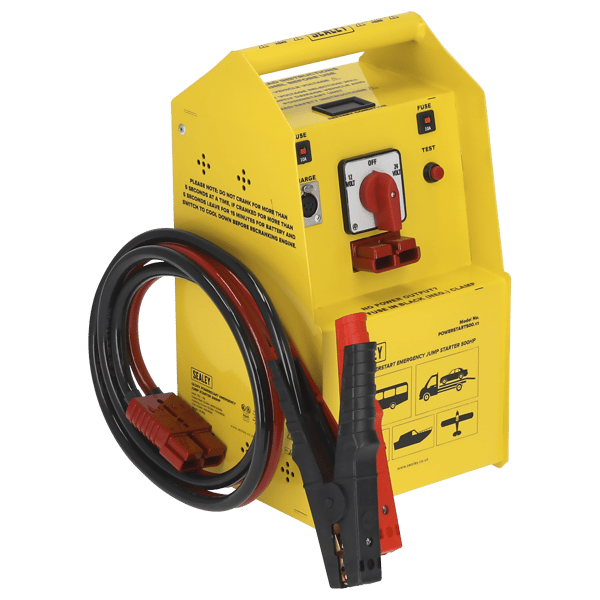 Not yet ratedSealey12/24V Emergency Jump Starter 500hp Start
- 12/24V, up to 500hp start
- 2m × 35mm² copper cables
- 4400A peak (12V) / 2200A (24V)
€2,891.98€2,921.19€2,351.20€2,374.95 -
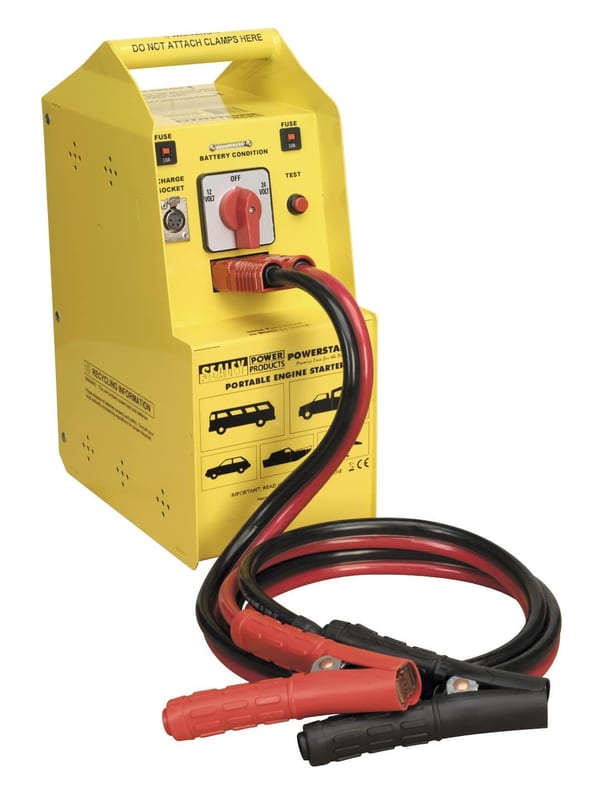 Not yet ratedSealey12/24V Emergency Jump Starter 900hp Start
- 12/24V, 5000A peak (12V)
- 2m × 35mm² copper cables
€3,196.40€3,228.69€2,598.70€2,624.95 -
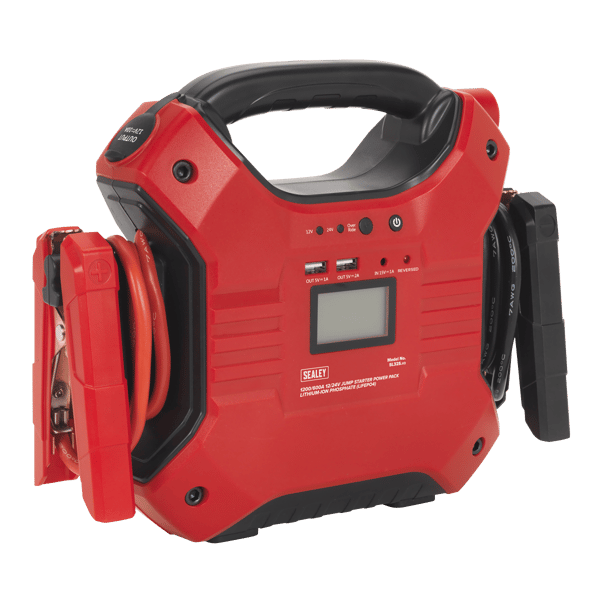 Not yet ratedSealey12/24V Jump Starter Power Pack Lithium-ion Phosphate (LiFePo4) 1200/600 Peak Amps€487.02
€491.94€395.95€399.95 -
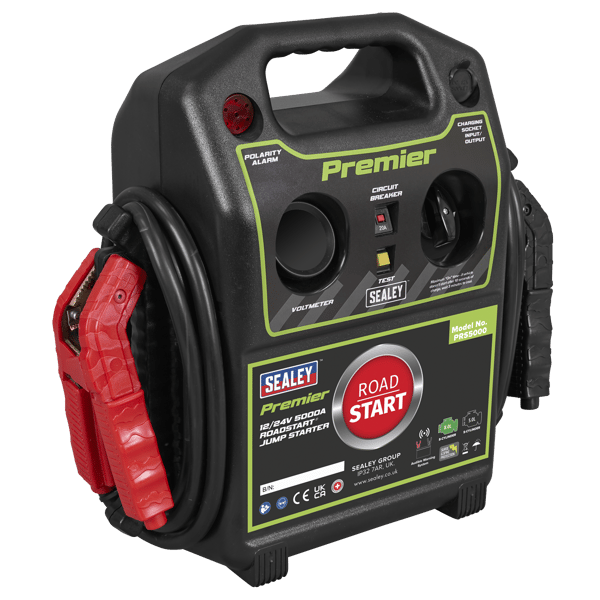 Not yet ratedPremier12/24V Premier RoadStart(R) Jump Starter 5000A
- Two 22Ah AGM batteries
- 5000A peak (12V)/2500A (24V)
- Brass clamps, pure copper cables
€1,445.96€1,460.56€1,175.58€1,187.45 -
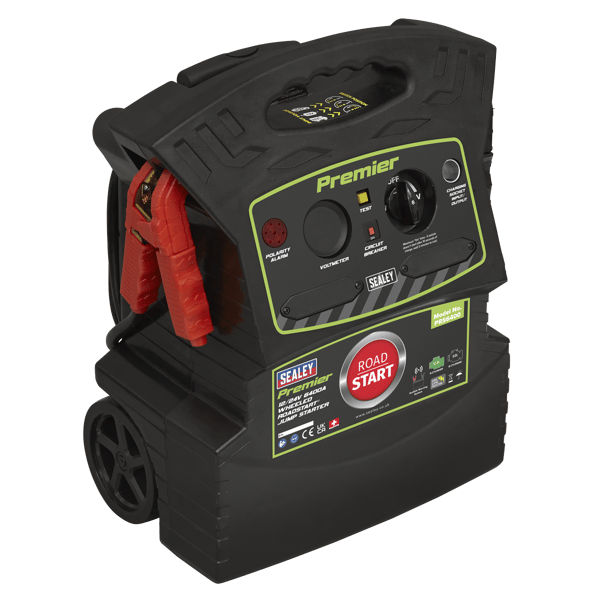 Not yet ratedPremier12/24V Premier RoadStart(R) Jump Starter 6400A
- 66Ah AGM battery, 6400A peak
- 12/24V rotary switch, spark-free
- 1.7 m cable, brass clamps
€2,176.58€2,198.56€1,769.58€1,787.45 -
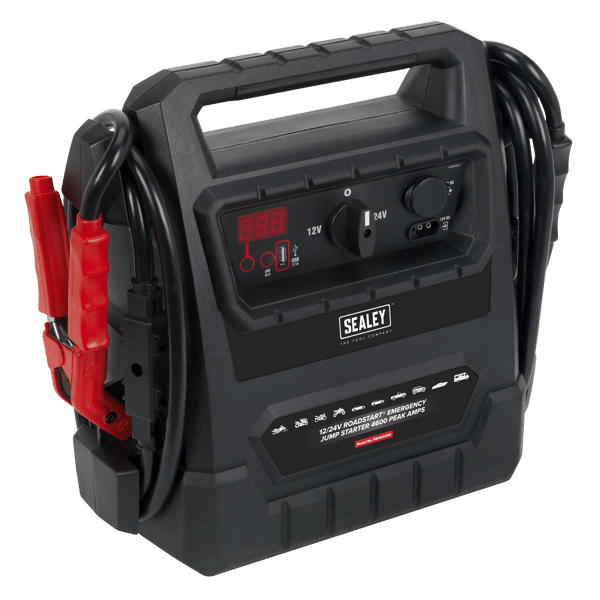 Not yet ratedSealey12/24V RoadStart(R) Emergency Jump Starter 4600 Peak Amps
- 4600A peak (12V) / 2300A (24V)
- AGM battery, USA-made
- 1.7 m cable + clamps
€1,217.64€1,229.94€989.95€999.95 -
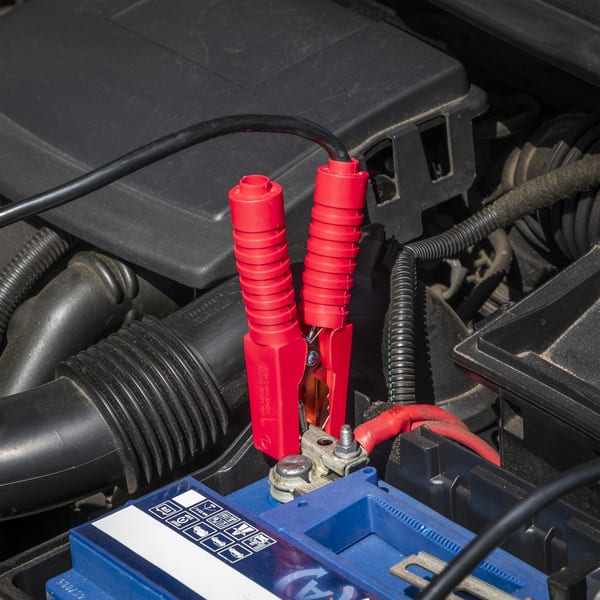 Not yet ratedSealey12/24V Starter 200A/Automatic Battery Charger 60A
- 200A peak engine start (12V)
- Charges 10–600Ah batteries
- 12/24V, 3 charge rates each
€532.69€538.06€433.08€437.45 -
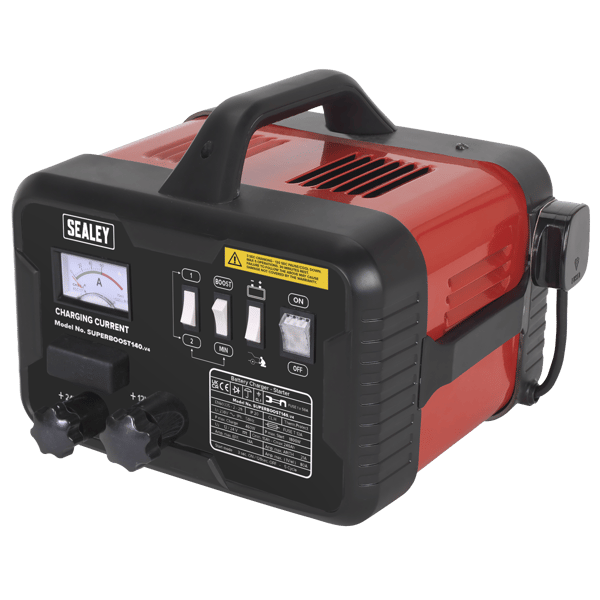 Not yet ratedSealey12/24V Starter/Charger 140/21A 230V
- 140A peak start / 21A charge
- 12/24V dual output
- Suitable 15-240Ah batteries
€319.59€322.81€259.83€262.45 -
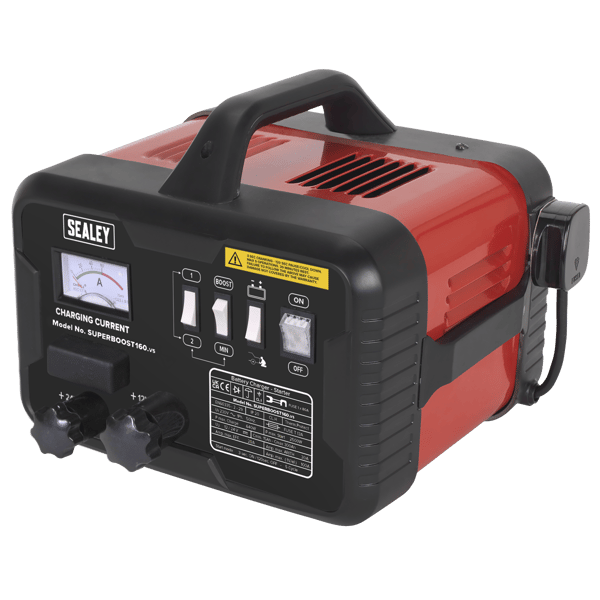 Not yet ratedSealey12/24V Starter/Charger 160/30Amp 230V
- 160A start / 30A charge peak
- 12/24V output, 230V input
- Battery range 15-300Ah
€350.03€353.56€284.58€287.45 -
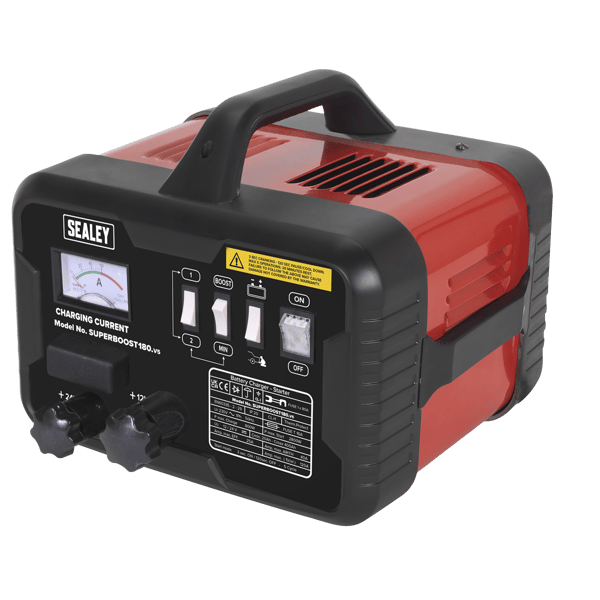 Not yet ratedSealey12/24V Starter/Charger 180/40A 230V
- 180A start / 40A charge output
- 12/24V dual output
- Battery range 20-400Ah
€380.48€384.31€309.33€312.45 -
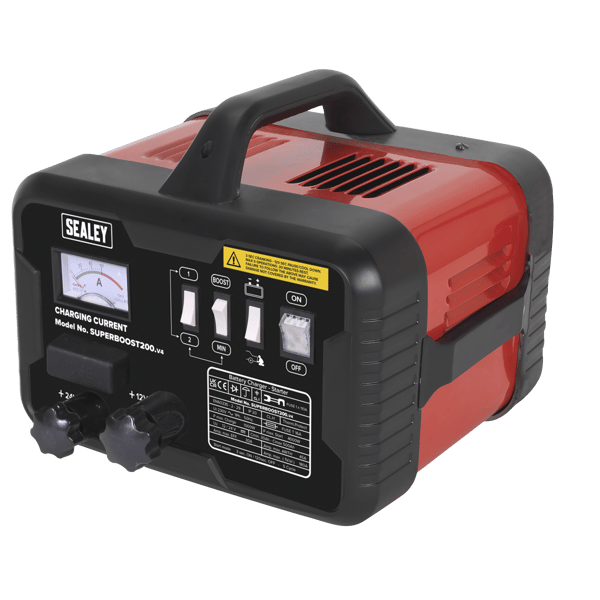 Not yet ratedSealey12/24V Starter/Charger 200/45A 230V
- 200A peak start, 45A charge
- 12/24V dual output
- Battery range 30–500Ah
€410.92€415.06€334.08€337.45 -
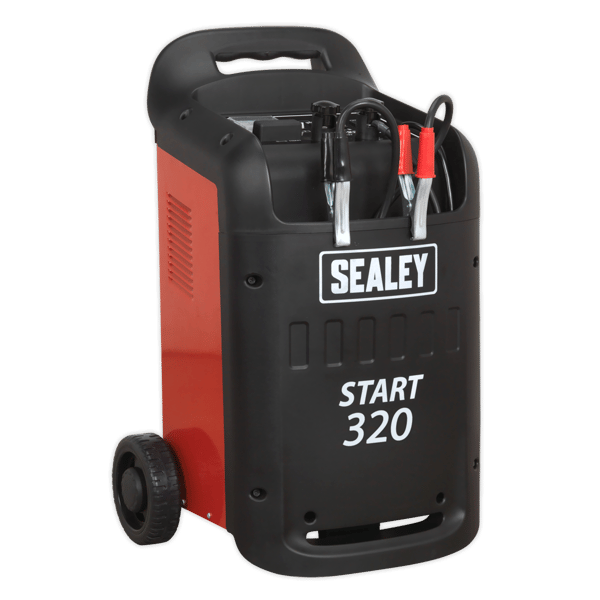 Not yet ratedSealey12/24V Starter/Charger 320/45A 230V
- 12/24V output, 230V input
- Start 320A / Charge 45A
- Battery range 30–500Ah
€433.75€438.13€352.64€356.20 -
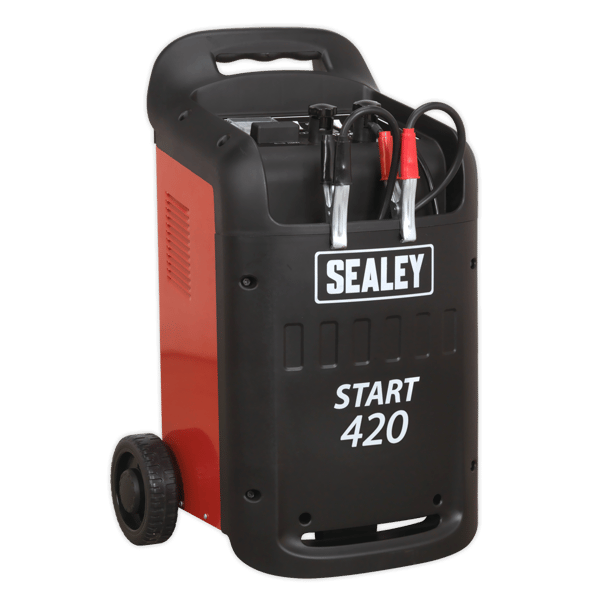 Not yet ratedSealey12/24V Starter/Charger 420/60A 230V
- 12/24V output, 230V supply
- 420A start / 60A charge peak
- Battery range 30-700Ah
€471.80€476.56€383.58€387.45 -
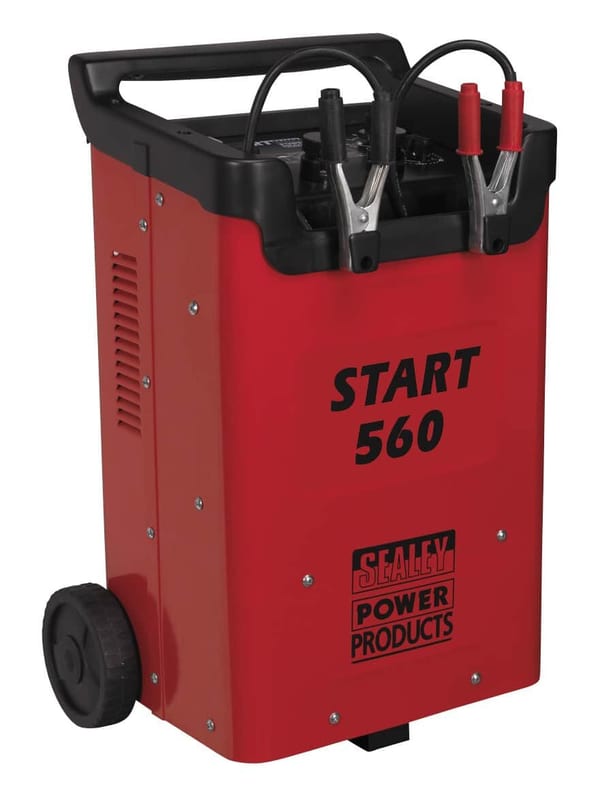 Not yet ratedSealey12/24V Starter/Charger 560/95A 230V
- Battery range 50–1000Ah
- 2.1m cable + clamp, large wheels
€517.46€522.69€420.70€424.95 -
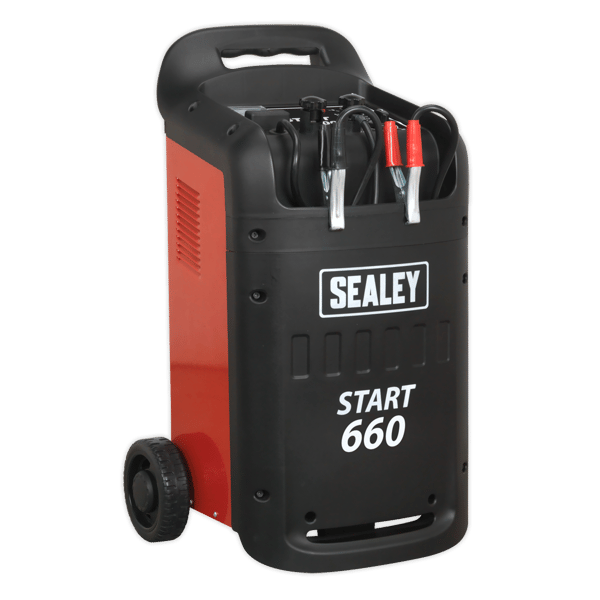 Not yet ratedSealey12/24V Starter/Charger 660/100A 230V
- 660A starting, 100A charging
- 12/24V output, 230V supply
- Battery range 50–1200Ah
€563.13€568.81€457.83€462.45 -
 Not yet ratedSealey12/24V Starter/Charger 800/110A 400V
- Battery range 20-1200Ah
- Analogue ammeter, large wheels
€1,171.98€1,183.81€952.83€962.45 -
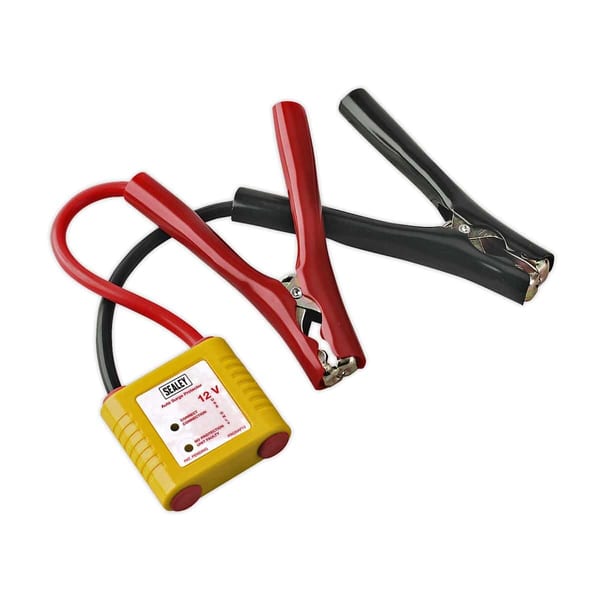 Not yet ratedSealey12V Auto Electronics Protection Device
- 12V system voltage
- Composite case, battery clips
- Status lights: green/red
€126.27€127.55€102.66€103.70 -
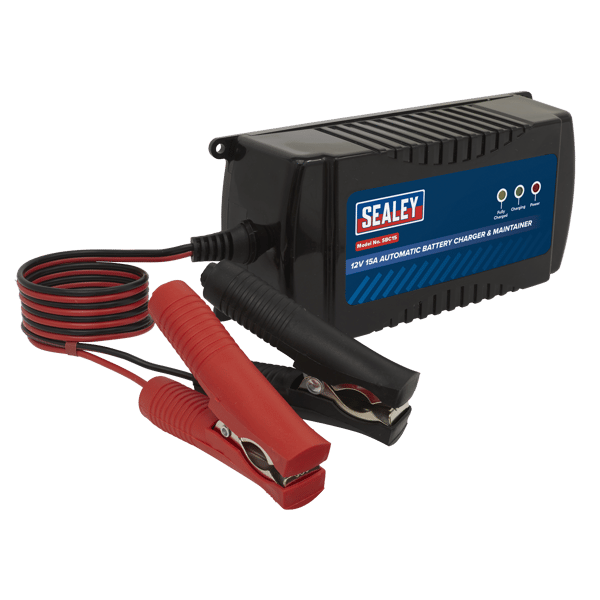 Not yet ratedSealey12V Automatic Battery Charger & Maintainer 15A
- 12V, 15A output, 3-stage charger
- 1 m charging cable + clamps
€152.15€153.69€123.70€124.95 -
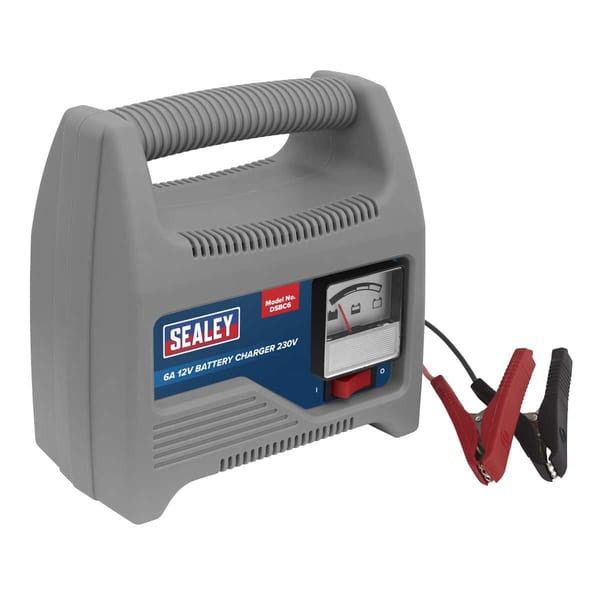 Not yet ratedSealey12V Battery Charger 6A 230V
- 12V lead acid, 12–60Ah
- 4.2A effective output charge
- 1.4m cable, insulated clamps
€59.30€59.90€48.21€48.70 -
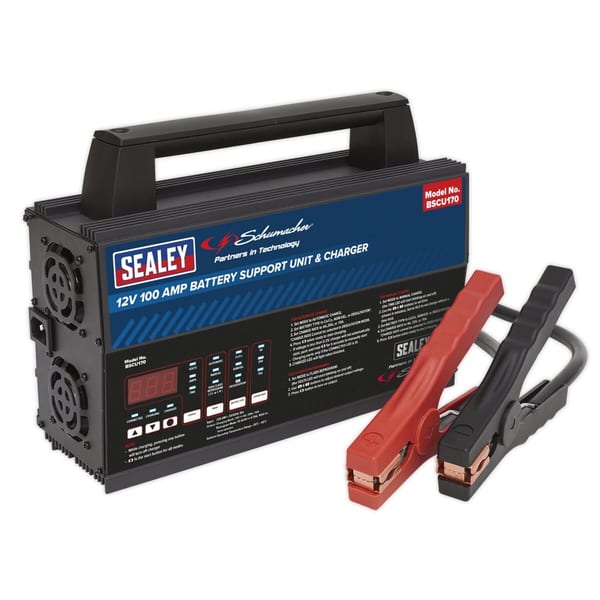 Not yet ratedSealey12V Battery Support Unit & Charger 100A
- 100A max, 70A continuous output
- 12V, 5–1,000Ah battery range
- 13–14.8V selectable, 5m cable
€1,263.31€1,276.06€1,027.08€1,037.45 -
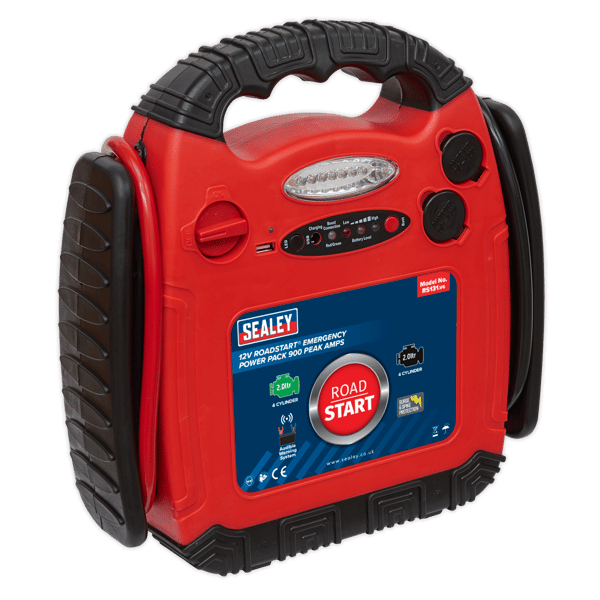 Not yet ratedSealey12V Emergency Jump Starter 900 Peak Amps
- 900 peak amps, 400 CCA
- Cable + clamp 0.72 m
- 2× 12V ports, USB 5V/1A
€190.21€192.13€154.64€156.20 -
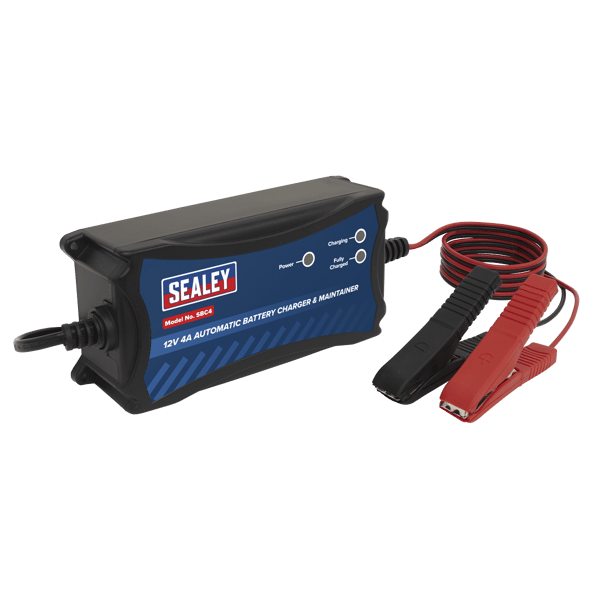 Not yet ratedSealey12V Fully Automatic Battery Maintainer/Charger 4A
- 12V, 4A output, 3-stage charger
- 1m cable + clamp, IP33
€62.35€62.98€50.69€51.20 -
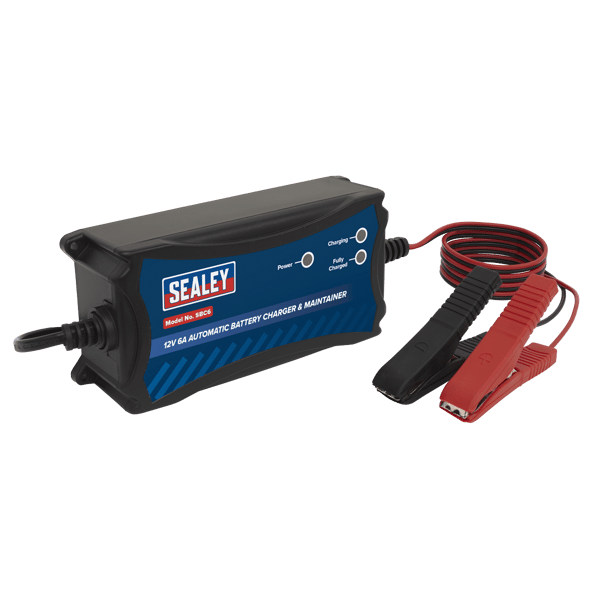 Not yet ratedSealey12V Fully Automatic Battery Maintainer/Charger 6A
- 12V, 6A output, 3-stage charger
- 1 m cable, 40-100 Ah range
€68.44€69.13€55.64€56.20 -
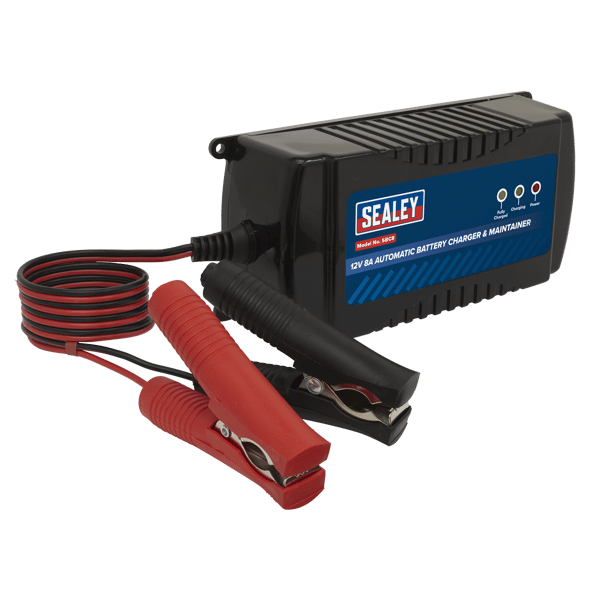 Not yet ratedSealey12V Fully Automatic Battery Maintainer/Charger 8A
- 12V, 8A output, 3-stage charging
- VRLA, GEL, AGM/EFB battery types
- 1m cable + clamp, IP33 rated
€106.49€107.56€86.58€87.45 -
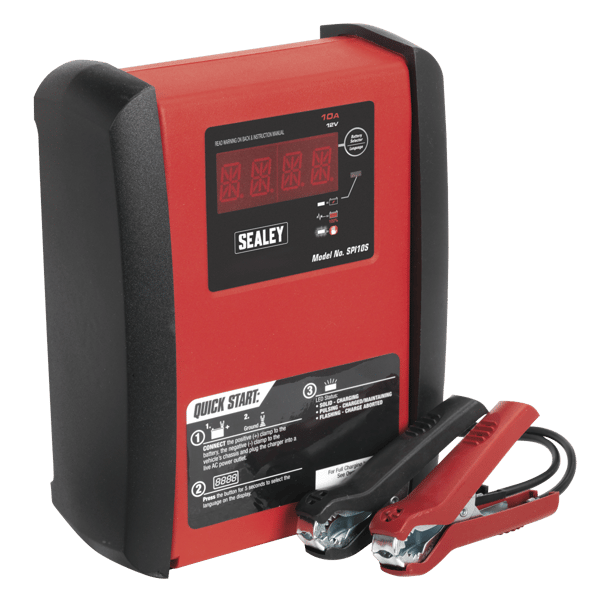 Not yet ratedSealey12V Intelligent Speed Charge Battery Charger/Maintainer 10A
- 12V 10A output
- Charges up to 3× faster
- Fits 10-230Ah lead acid
€197.82€199.81€160.83€162.45 -
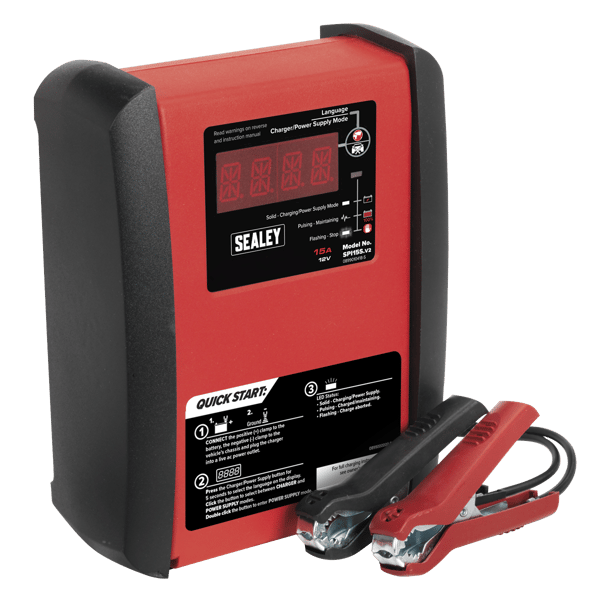 Not yet ratedSealey12V Intelligent Speed Charge Battery Charger/Maintainer 15A
- 12V, 15A output, 230V supply
- 2m cable, IP20 rated
€225.21€227.49€183.10€184.95 -
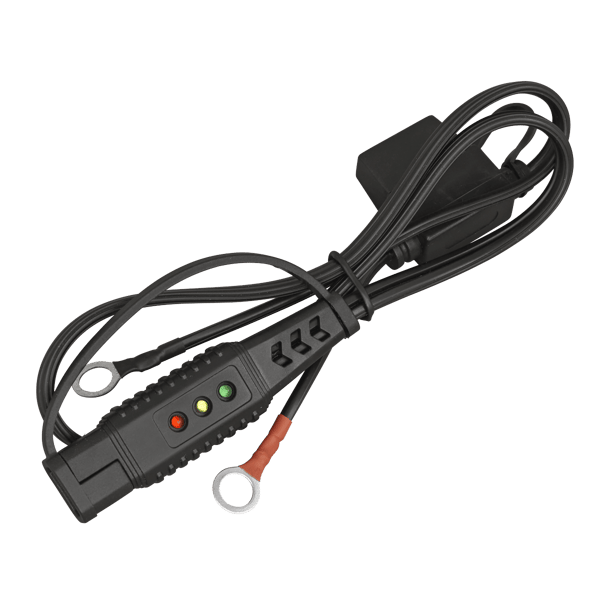 Not yet ratedSealey12V Ring Terminal Battery Indicator Cable
- 3 LED battery status indicators
- 15A replaceable in-line fuse
- 700 mm cable length
€23.57€23.80€19.16€19.35 -
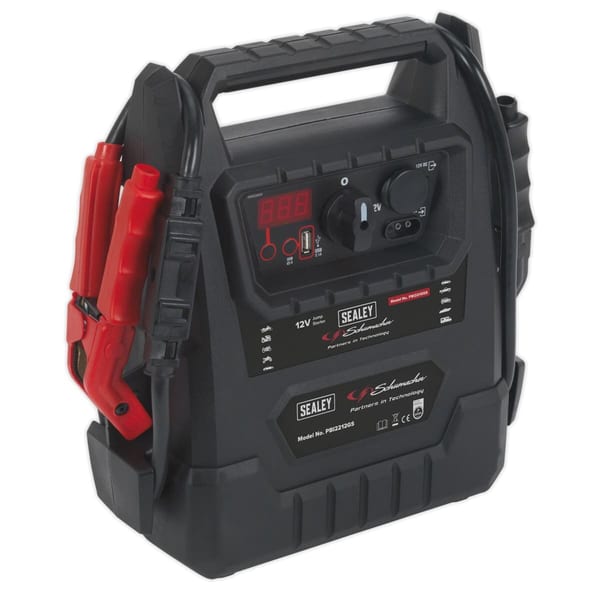 Not yet ratedSealey12V RoadStart(R) Emergency Jump Starter 2300 Peak Amps
- 2300 peak amps, 900A starting
- AGM battery, 12V, USA-made
- USB 2.1A + 12V socket
€761.00€768.69€618.70€624.95 -
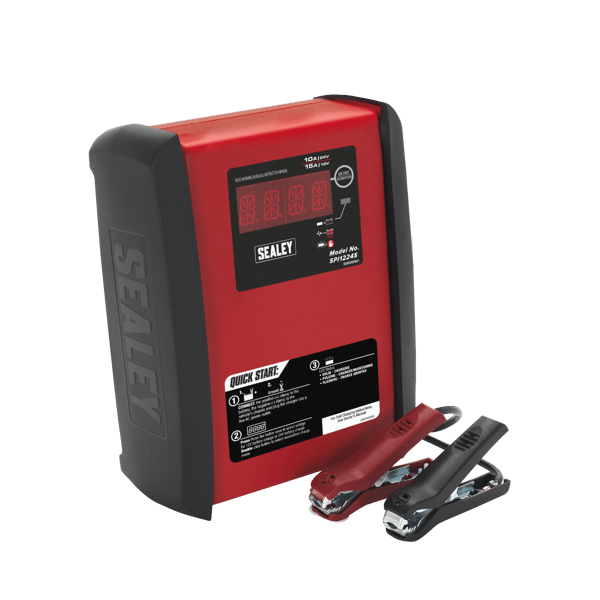 Not yet ratedSealey12V/15A 24V/10A Intelligent Speed Charge Battery Charger/Maintainer
- 12V/15A, 24V/10A output
- Lead Acid 40-230Ah range
- Reverse polarity protection
€243.48€245.94€197.95€199.95 -
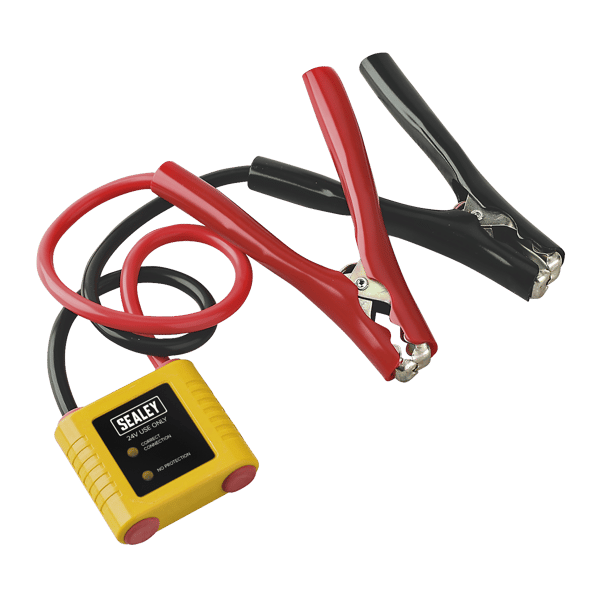 Not yet ratedSealey24V Auto Electronics Protection Device
- 24V system voltage
- Composite case, battery clips
- Green/red fault indicator light
€228.26€230.56€185.58€187.45 -
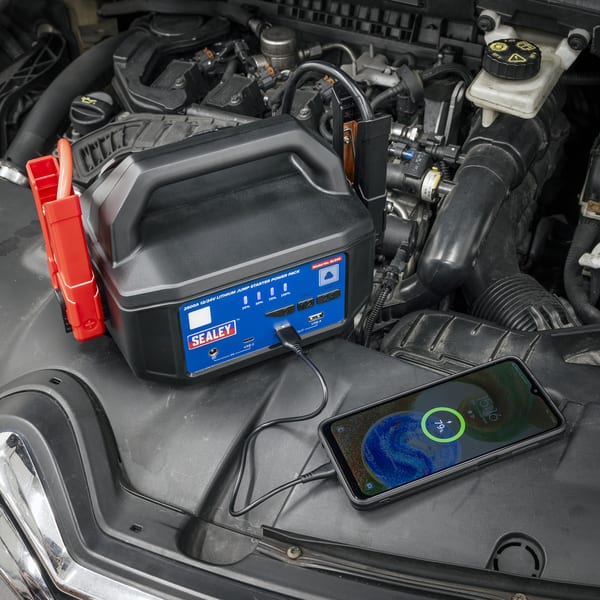 Not yet ratedSealey2500A 12/24V Lithium Jump Starter Power Pack
- 2500A peak output, 12/24V
- Lithium-ion, 36,400mAh battery
- Force start from 0V batteries
€532.69€538.06€433.08€437.45 -
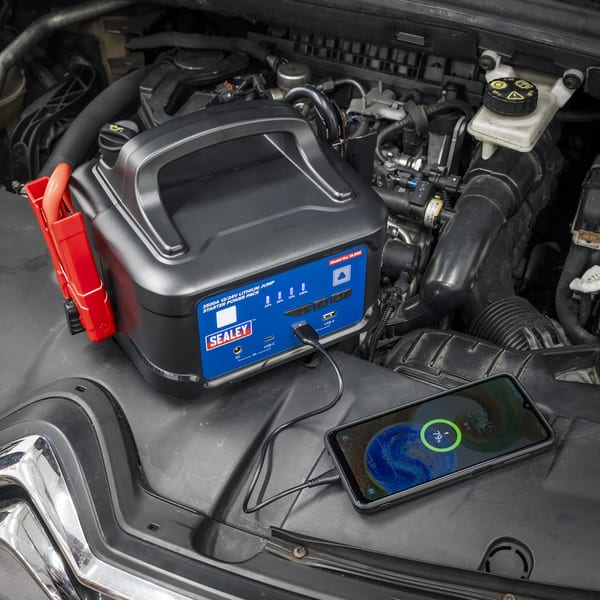 Not yet ratedSealey3500A 12/24V Lithium Jump Starter Power Pack
- 3500A peak output, 12/24V
- 122,500mAh lithium-ion battery
- Force start from 0V, up to 560hp
€684.90€691.81€556.83€562.45 -
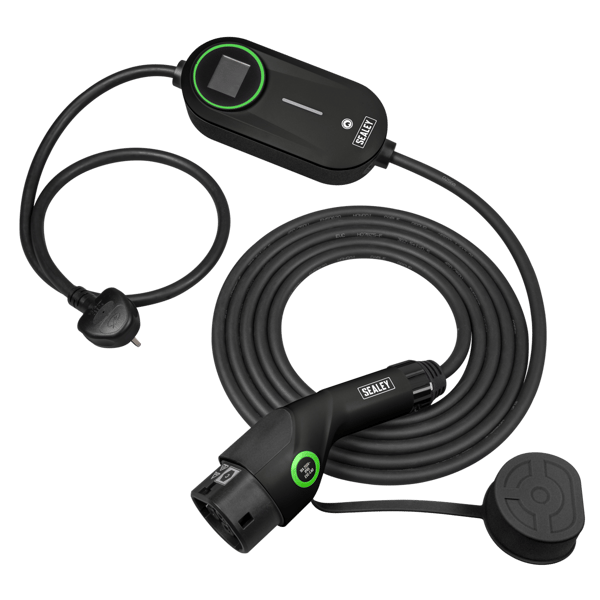 Not yet ratedSealey5m Adjustable (3.5kW) Type 2 to UK 3-Pin Plug Portable EV Charger
- 5m cable, Type 2 to UK 3-pin
- 8A/10A/13A adjustable, 3.5kW
€304.36€307.44€247.45€249.95 -
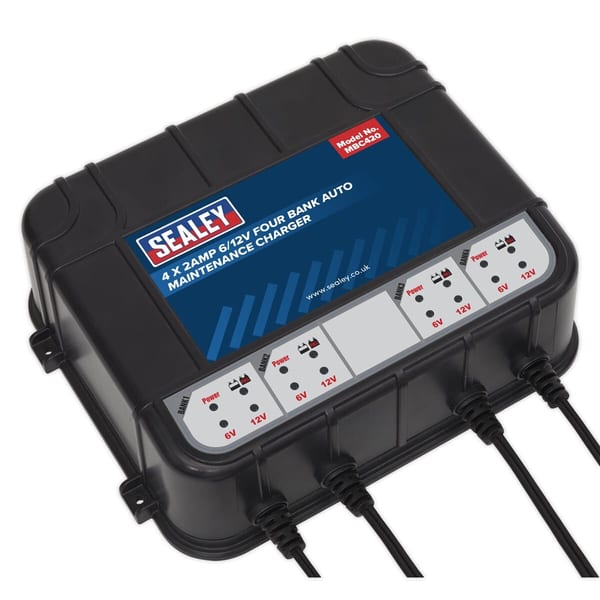 Not yet ratedSealey6/12V 4 Bank Auto Maintenance Charger 8A (4 x 2A)
- 4 bank charger, 4 x 2A output
- 6/12V, AGM/Gel/VRLA compatible
- 2m cable, SAE connectors
€197.82€199.81€160.83€162.45
Picking the right charger depends on what you're charging and how often. A basic 6 V / 12 V charger works for occasional car battery top-ups, but if you're dealing with AGM, gel, or calcium batteries — common in modern vehicles and machinery — you need a smart charger that adjusts voltage automatically. Overcharging an AGM shortens its life; undercharging a calcium battery sulfates the plates. Amperage matters too: a 4 A unit is fine for maintaining charge on a stored bike or lawnmower, but charging a flat 100 Ah truck battery at that rate takes a full day. A 10–15 A charger cuts that to hours.
Jump starters split into two types. Traditional lead-acid booster packs deliver high current — 600–1000 A peaks — and handle large diesel engines reliably, but they're heavy and lose charge if left unused. Lithium jump starters weigh a fraction as much, hold charge for months, and often include USB outputs for tools or phones. Peak current claims can be optimistic; check the cranking amps specification, not just the headline figure. For a 3-litre diesel, you want at least 400 A genuine cranking capacity. Petrol engines need less, but cold weather and tired batteries demand more.
Booster cables are the low-tech backup. Length and gauge determine how much current they'll carry without heating up or dropping voltage. A 3-metre set of 25 mm² cable works for most cars; anything longer or thinner starts losing performance. Clamps should bite onto the terminal, not just pinch the lead — a loose connection arcs and melts. If you're using cables between a donor vehicle and a dead battery, let the donor run for a few minutes before cranking; it spreads the load and keeps the donor's alternator from spiking.